10 Foods that Help With Period Pain
Living with period pain can affect your daily life and routine, making it difficult and uncomfortable. Eating the right foods can help alleviate some of the cramps and general pain and make your period more manageable. This article discusses ten foods that have been scientifically proven to help manage period pain. Read on to learn about the benefits of each food item and how you can incorporate them into your food regime.
What causes period pain?
Period pain, also known as dysmenorrhea or menstrual cramps, is a common symptom experienced by women during menstruation. The tolerance for this pain, and the extent to which it affects one, can vary from woman to woman, with some experiencing slight discomfort while others experience extreme pain and might be unable to function normally.
The cause of period pain is not fully understood, but several factors may contribute to its occurrence, including hormones, inflammation, vitamin D deficiency, and stress.
Foods to manage period pain
For some people, period pain can be debilitating. Here are certain foods to help manage its symptoms and make that time of the month a little more bearable.
Cruciferous vegetables
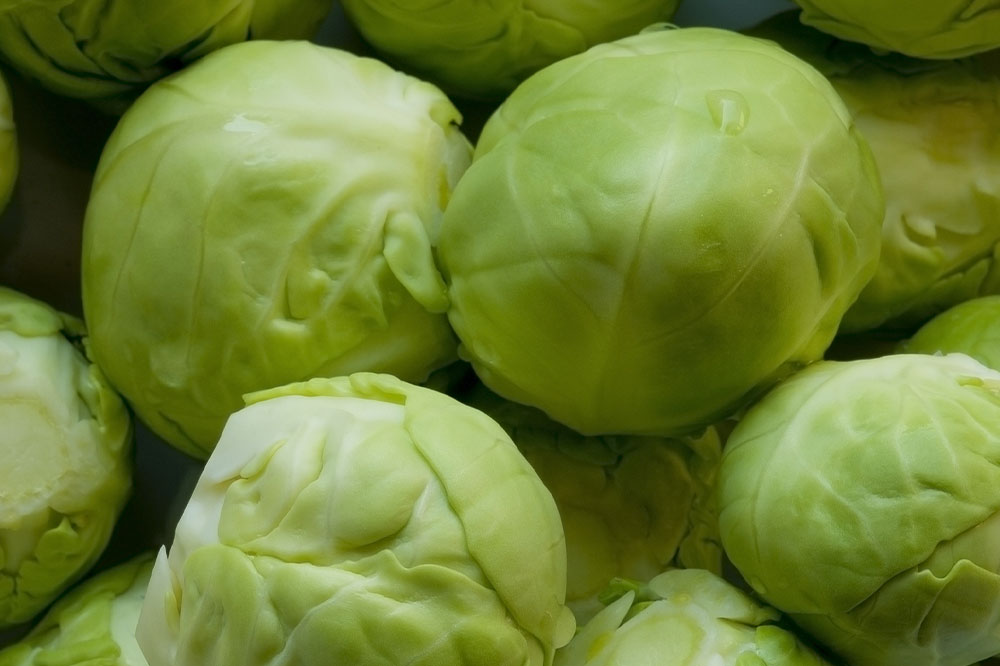
These belong to the cabbage family and includes popular vegetables such as kale, broccoli, cabbage, cauliflower, Brussels sprouts, bok choy, turnips, and radishes. The vegetables are known for their high nutrient density and are loaded with vitamins and minerals such as vitamin C, vitamin K, folate, potassium, and magnesium.
Cruciferous vegetables are particularly beneficial for managing period pain due to their high levels of antioxidants, fiber, and nutrients. The antioxidants found in these vegetables can help reduce inflammation in the body, alleviating menstrual cramping and other PMS symptoms. Additionally, their high fiber content helps to regulate hormones and reduce bloating, which can also help manage period pain. Therefore, including cruciferous vegetables in your food regime is an excellent way to help manage period pain.
Water-rich foods
Water is essential for maintaining our overall health and is especially important for managing period pain. Water-rich foods can help your body stay hydrated and reduce the inflammation associated with menstrual cramps. Some water-rich foods that are particularly beneficial during menstruation include cucumbers, watermelon, strawberries, zucchini, celery, oranges, grapefruit, cantaloupe, honeydew melon, spinach, and lettuce.
Cucumbers are rich in antioxidants and electrolytes that help keep your body hydrated. Watermelon is also high in antioxidants, potassium, and magnesium. Magnesium has anti-inflammatory properties, which can help reduce the intensity of menstrual cramps. Additionally, eating high-water-content fruits like oranges, grapefruit, and strawberries can also provide electrolytes and vitamins to nourish your body during your period.
Eating foods high in water content will not only help you stay hydrated during your period, but they can also provide you with the necessary nutrients to support your body.
Turmeric
Turmeric is an ancient spice with a long history of use in traditional Ayurvedic and Chinese healthcare practices. It has a long list of health benefits, including anti-inflammatory properties. Studies have shown that turmeric may be particularly beneficial for managing period pain due to its anti-inflammatory effects. It has been suggested that curcumin, the active ingredient in turmeric, can reduce inflammation and pain, potentially helping to alleviate menstrual cramps.
Yogurt
Yogurt is an excellent source of probiotics, which are beneficial bacteria that help improve digestive and immune system health. Eating yogurt has been linked to a reduced risk of period pain and improved symptom management. The dairy product can also help regulate hormones and improve inflammation levels, which can contribute to period pain.
Consuming this food item regularly throughout your cycle can help reduce the intensity of menstrual cramps and the overall discomfort associated with periods. Additionally, adding yogurt to your food regime may help lessen the number of days you experience period pain.
Quinoa seeds
Quinoa is a superfood packed with essential vitamins and minerals. It is high in fiber, protein, and essential fatty acids, and it can help reduce inflammation and ease period pain. Eating quinoa seeds as part of your food regime can provide your body with essential vitamins and minerals, including magnesium, calcium, iron, and zinc. These nutrients help to promote healthy muscle function and reduce inflammation in the body.
Lentils
Lentils are an excellent source of protein, dietary fiber, and micronutrients. They contain vitamins and minerals like folate, iron, phosphorus, potassium, and magnesium. It can help reduce inflammation and provide your body with various health benefits. As a result, they are thought to be beneficial for managing period pain. Eating lentils regularly can also help reduce bloating and menstrual cramps.
Dark chocolate
Eating dark chocolate can be a great way to reduce period pain. It is rich in magnesium, which helps relax the muscles and calm the uterus during menstruation. Dark chocolate contains antioxidants that fight inflammation, which can help alleviate period cramps.
Additionally, the sweet treat is known for its mood-boosting properties and is an effective way to reduce stress hormones, which can also contribute to menstrual discomfort.
Nuts
Snacking on nuts is a great way to manage period pain and provide many other health benefits. They are rich in protein, fiber, and healthy fats, and are a nutritious snack that can help reduce inflammation and pain associated with your period. Adding a handful of them to your daily food regime can help you manage your period pain.
Nuts are also a great source of magnesium, an essential mineral that helps relieve cramps. Almonds, pistachios, cashews, and peanuts are all good choices. Make sure to keep portion size in mind when snacking on nuts, as they are high in calories.
Tofu
Tofu is a fantastic food for managing period pain. It’s a great source of plant-based protein, which can help reduce inflammation in the body. Plus, it contains plenty of vitamins and minerals such as iron, calcium, magnesium, and zinc. Magnesium helps relax the muscles, while zinc helps reduce cramps.
Tofu is also low in fat and has a neutral flavor, making it a great addition to various dishes. You can add it to salads, soups, stir-fries, and more. To get the most out of it, look for organic, non-GMO tofu fortified with extra vitamins and minerals.
Chamomile tea
Chamomile tea is a popular herbal remedy for menstrual cramps. Research suggests that chamomile tea has anti-inflammatory and antispasmodic properties that can help reduce period pain. Studies also show that chamomile tea can help reduce anxiety and promote relaxation, which can also be beneficial during menstruation. It is generally safe when consumed in moderate amounts. However, it may interact with certain supplements, so it’s best to consult your healthcare provider before using it to treat your menstrual cramps.