17 Superfoods for Lung Health
The lungs are a vital organ that helps take in oxygen and expel carbon dioxide. One way to maintain healthy lungs is to follow a proper meal plan. The right foods can help keep the lungs functioning correctly, while unhealthy foods can increase the risk of lung-related disorders. This article explores the best foods for healthy lungs and better breathing. However, one should consult a doctor before making changes to their nutrition regimen.
Leafy greens
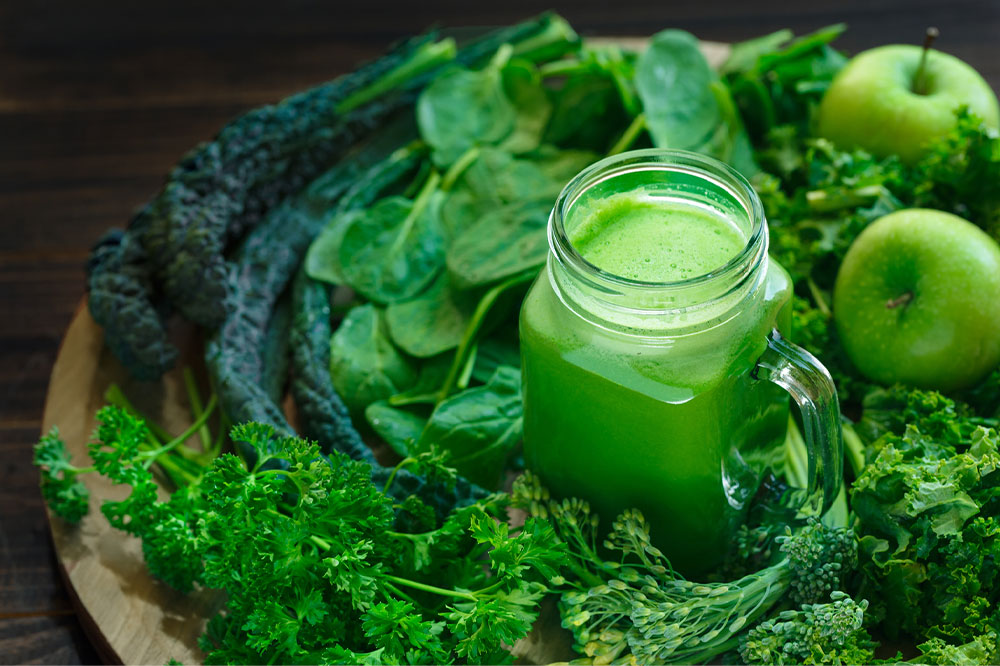
Leafy greens like kale and spinach are high in antioxidants, including vitamins A, C, and E. These antioxidants help protect the lungs from damage caused by free radicals. In addition to their antioxidant properties, leafy greens contain fiber, which helps improve breathing and reduce inflammation in the respiratory system.
Peppers
Peppers like cayenne peppers and jalapeño peppers are excellent sources of vitamin C and capsaicin. Both of these are beneficial for lung health. Vitamin C is an important antioxidant that can protect the lungs from damage, while capsaicin has anti-inflammatory properties that can reduce swelling and irritation in the airways. These benefits make peppers suitable for preventing flare-ups of chronic bronchitis, asthma, and other respiratory illnesses.
Apples
Apples are high in flavonoids, which help keep the lungs healthy and reduce inflammation. They also have antioxidants and a compound called quercetin known to improve lung function. Eating apples regularly can help thin the mucus in the lungs, relieving shortness of breath. Besides improving lung health, apples can keep other disorders at bay, making them a must-have superfood.
Pumpkin
Pumpkins are often associated with Halloween decorations and the fall season, but they are also good for health. The fruit is a great source of beta-carotene, which is converted into vitamin A in the body. Pumpkin seeds, in particular, are high in zinc, which is needed for wound healing and healthy immune function. So, one can carve a pumpkin or make pumpkin pie regularly and do a favor for their lungs.
Turmeric
Turmeric is useful in treating and preventing various lung conditions. It is a natural antioxidant that can help protect the organ from damage caused by free radicals. It can also reduce inflammation throughout the body, including in the lungs. A particular study found that curcumin, the active ingredient in turmeric, improved lung function in people with chronic obstructive pulmonary disease (COPD).
Tomatoes
Tomatoes are rich in lycopene, which helps reduce inflammation in the lungs and airways. This red fruit also contains anthocyanins known to protect the lungs from damage. Therefore, one should consider including tomatoes in their meals regularly to improve their lung health.
Blueberries
Blueberries are a great source of antioxidants, flavonoids, and anthocyanins. Antioxidants improve overall lung health. Flavonoids protect the lungs from chemicals and toxins known to cause asthma and other respiratory problems. Anthocyanins help improve lung function and reduce inflammation.
Green tea
Green tea, a popular beverage worldwide, has been shown to improve lung health in several ways. It contains antioxidants called catechins that protect the organ from damage caused by pollutants and other harmful substances. Moreover, the polyphenols in green tea help clear out excess mucus from the lungs, helping prevent or treat respiratory infections.
Red cabbage
Red cabbage is a cruciferous vegetable that contains many nutrients beneficial for lung health. For instance, it contains an antioxidant called sulforaphane, which helps protect cells from damage caused by free radicals. The vegetable is also rich in anti-inflammatory compounds that help protect the lungs from oxidative stress.
Olive oil
Olive oil is popular with people looking to improve their lung health. It is packed with antioxidants, vitamins, and minerals that ward off diseases like asthma and bronchitis. Additionally, olive oil has been shown to help reduce inflammation, which also helps keep respiratory problems at bay.
Yogurt
Yogurt contains probiotics and other live bacteria that improve the respiratory system. Lactobacillus, a kind of bacteria in yogurt, helps improve lung function by protecting the organ from infections and inflammation and promoting the growth of healthy cells.
Brazil nuts
Brazil nuts are a good source of selenium, which can protect against oxidative lung damage. They are also high in antioxidants and polyunsaturated fatty acids that reduce inflammation and improve lung function.
Coffee
Coffee beans are high in antioxidants that can help protect the lungs from the damage caused by air pollution and environmental toxins. Coffee also contains caffeine, which has been shown to boost breathing capacity and help clear the airways of mucus.
Barley
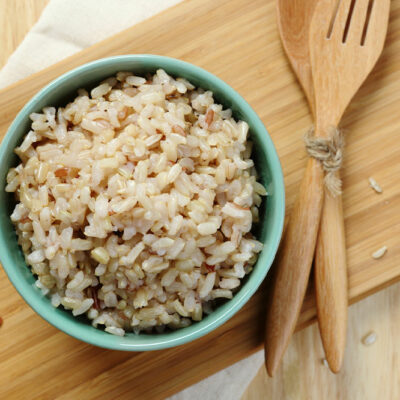
Barley is an excellent source of fiber and essential nutrients like manganese, magnesium, phosphorus, thiamine, and niacin. These nutrients are critical for better lung health because they help reduce inflammation and improve respiratory function.
Lentils
Lentils are a popular legume around the world. They can improve lung health, thanks to high levels of antioxidants, fiber, and other disease-fighting nutrients. Lentils also have anti-inflammatory properties, making them suitable for reducing lung inflammation.
Cocoa
Cocoa is a flavonoid studied for its potential to improve lung health. It contains catechins like theobromine that help protect the cells in the respiratory system. Additionally, cocoa has anti-inflammatory properties that reduce asthma symptoms and manage chronic bronchitis flare-ups.
Beetroot
The nitrates in beetroot turn into nitric oxide in the body. Nitric oxide is then released into the blood, helping relax and widen the blood vessels. This lowers blood pressure and improves overall cardiovascular health, promoting better breathing.
It may seem unlikely, but healthy foods can affect lung function positively. They can improve one’s quality of breath, boost their ability to fight off illnesses, and help manage COPD, asthma, and chronic bronchitis flare-ups. When choosing foods for healthy lungs, individuals must look for vitamins A, C, E, and omega-3 fatty acids. Vitamin A helps reduce lung inflammation, vitamin C strengthens the immune system, vitamin E helps reduce oxidative stress in the lungs, and omega-3 fatty acids help open the airways, making breathing easier.