3 types of soaps that can trigger an eczema flare-up
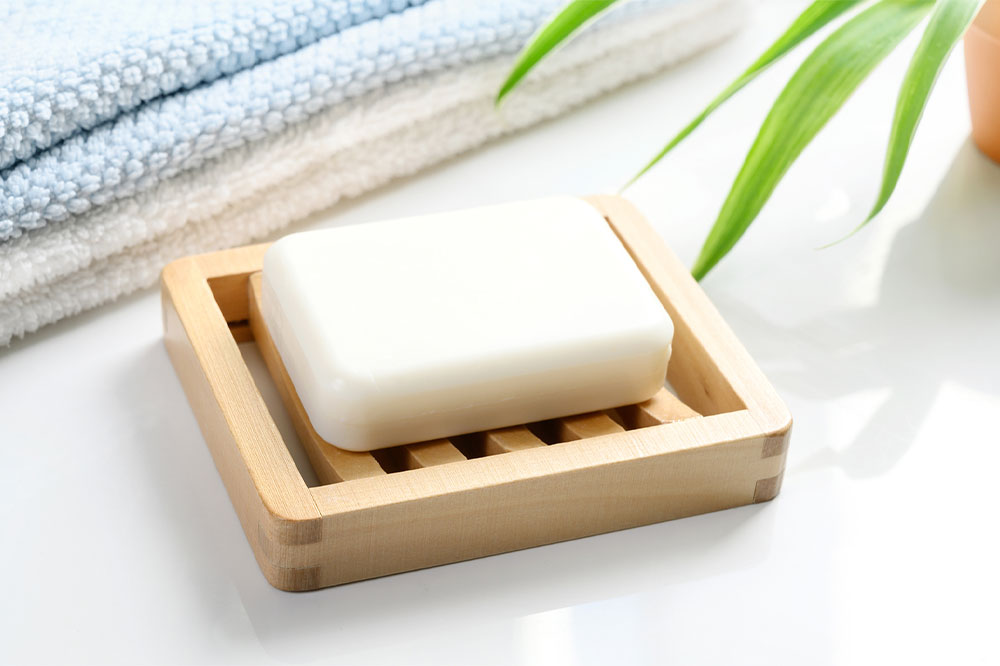
Eczema is a condition that leads to red, dry, and scaly patches of skin on the body that itch. It affects roughly 31 million people in the country in different age groups and can be caused due to allergens or genetics. Various treatment options help tackle this skin disorder, and individuals can also try home remedies to manage symptoms and keep their skin healthy. Here are some types of soaps that can trigger eczema flare-ups:
Soaps with harsh cleaners
One of the things that can trigger and worsen eczema is a harsh chemical or cleaner. Unfortunately, most soaps are often filled to the brim with harsh cleansers, which could be terrible for those suffering from eczema or other skin conditions. The only way to avoid this is to steer clear of such soaps. One method to identify products with harsh chemicals is to keep an eye on the label. Look for words like parabens, sodium lauryl sulfate (SLS), and even triclosan. Avoiding soaps with harsh chemicals will help protect the skin barrier, retain natural proteins, and maintain moisturizing factors to prevent dryness and eczema breakouts. Instead of harsh chemicals, one should use soaps with a pH-balanced formula.
Fragranced soaps
Fragranced soaps are also best avoided with eczema. Typically, one would read the label to understand the products’ ingredients. But unfortunately, the FDA does not require soap and skincare manufacturers to mention the ingredients that go into creating a product’s scent. This means tons of harmful toxins and chemicals could be used to achieve a particular smell without a description on the label. Studies have found that fragrances in soaps and other skincare and cosmetic products usually come from allergens. These are bad for people with sensitive skin as they could lead to eczema, dermatitis, and more. Hence, it is essential to avoid fragranced soaps, especially when diagnosed with a skin disorder. Instead, one can opt for soaps labeled “unscented” or “fragrance-free.” It is also advisable to shop for products made specifically for sensitive skin.
Soaps with surfactants
The key ingredient in many soaps or skin cleansing products is a surfactant or surface-active agent (SAA). This element can damage the skin and lead to the loss of skin barrier even in those without a skin disorder. But it is more harmful to people with sensitive skin or skin conditions because it can lead to oxidative stress and worsen inflammation. An eczema patient, in particular, may experience more severe redness, itching, and dryness. They could also witness an increase in the frequency of flare-ups, making the condition hard to manage.
Avoiding the triggers can go a long way in fighting eczema in the long term. But, during flare-ups, patients may need other treatments to tackle the symptoms. A practical option for eczema is CIBINQO (abrocitinib). It is a once-daily oral treatment suitable for adults with moderate to severe atopic dermatitis. The treatment is mainly prescribed to adults who have not been able to find relief with other less-severe options. CIBINQO (abrocitinib) eczema treatment is recommended in 100 mg and 200 mg doses. Doctors may also prescribe 50 mg to patients dealing with renal impairments. But CIBINQO (abrocitinib) eczema treatment may have serious side effects, including infections that could lead to hospitalization, increased mortality risk, malignancies, thrombosis, cardiovascular conditions, and renal and liver impairments. Other side effects include nausea, increased blood creatinine, dizziness, urinary tract infections, acne, vomiting, influenza, gastroenteritis, hypertension, and abdominal pain.
A good health insurance coverage and a reliable prescription-based product provider are essential for the successful treatment of eczema. Copay cards are a useful avenue to get health insurance policies or prescription-based products at affordable prices. For instance, using CIBINQO’s copay card, one can purchase recommended products at highly reasonable rates.
Eczema does not only affect adults but also adolescents. The signs and symptoms of the condition in children are similar: dry and itchy skin and scaly patches on different areas. While there is no known cause of eczema in children, doctors attribute it to genetics, sensitivity, and allergies. Adolescents’ eczema treatments include many home remedies combined with other safe therapies. Here are a few natural ways to tackle eczema in children:
Moisturize the skin
One of the best ways to tackle itchy and dry skin is to apply a moisturizer. Children can use ointments like petroleum jelly or scent-free moisturizers from the store. It is best to apply it after a bath or shower, two or three times a day. If unsure, parents can consult a doctor to learn about safe moisturizers for kids.
Bathe with warm water
Opting for a hot water bath is normal, especially during the cold seasons. But, it could backfire and lead to dry skin and inflammation in those with eczema. So, one can opt for warm water baths and keep their time in the shower short. Patients can also wear gloves if their hands stay in water for long. After the bath, it is advisable to pat dry as rubbing could lead to loss of skin barrier and even cause inflammation.
Switch to cotton
Specific types of fabric can also irritate and inflame the skin. For instance, wool and nylon are harsh on sensitive skin. Instead of scratchy fabrics, children can opt for cotton or linen clothing. Besides choosing the suitable material, the clothes should be comfortable or loose. Tight garments can rub against the skin and cause irritation, which can be hard to manage in adolescents.