Home - Health - 3 Useful Fruit Intake Tips For People With Diabetes
3 useful fruit intake tips for people with diabetes

3 useful fruit intake tips for people with diabetes

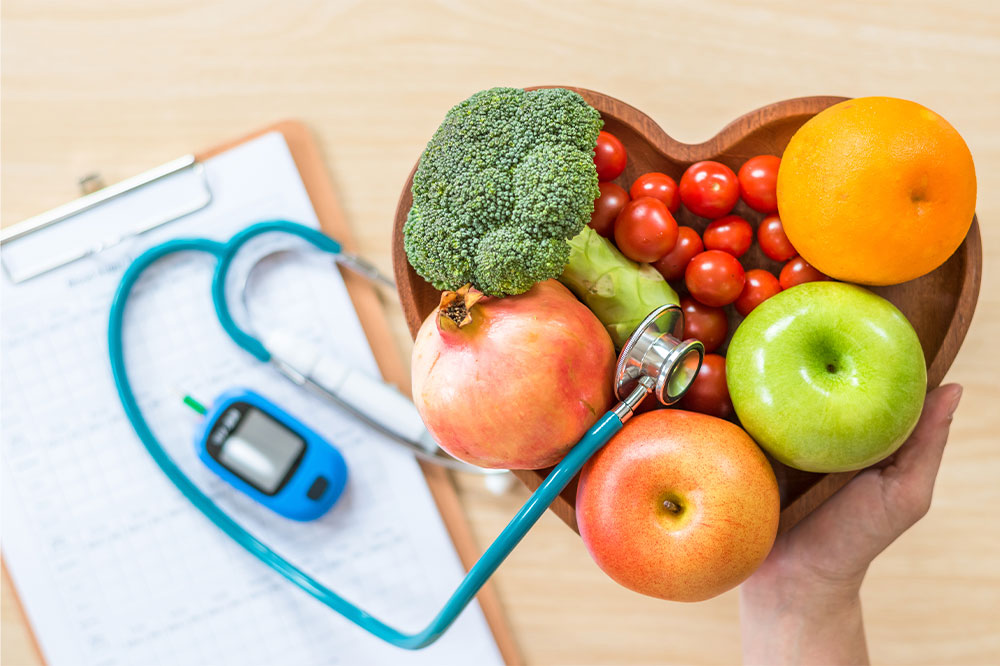
People with diabetes are often advised to avoid sweet foods as they can increase blood sugar levels. But not all sweet foods are bad. While refined sugar is a culprit, patients can add foods with natural sugar to their nutrition plan, like fruits. However, those with high blood sugar need to be cautious and follow specific rules when opting for fruits. Here are some fruit intake tips for diabetes patients:

Consider where the fruit came from
This does not mean finding out where the fruit was farmed. Tracking where the fruit came from involves understanding how it was processed and stored before it arrived in stores. Was it fresh, frozen, canned, or powdered? Each method of storing and processing fruits can impact diabetes and overall health differently.

Studies have shown that fresh fruits have little to no negative impact on blood sugar. The same goes for frozen fruits or those preserved in their own juices. However, canned fruits can be harmful. Fruits in supermarkets packed in jars or cans are preserved commercially with preservatives. And most preservatives use sugar as the main ingredient. It is advisable to stick to fruits without added sugars and preservatives.

Check the fruit’s glycemic index
Glycemic index, or GI, is a rating given to every food, including fruits, depending on the speed at which it can increase blood sugar levels. The food’s digestion and absorption rate are vital in determining its GI score. Fruits with a high GI are responsible for the speedy increase in blood sugar. The spikes and drops that result from these foods are quick and steep. However, foods with low to medium GI scores can help better control blood sugar. It is therefore essential to know which foods have high GI scores and which have low to moderate scores.

Some fruits people with diabetes can safely include on their menu are avocados, apples, peaches, pears, berries, cherries, and grapefruit. These fruits have a low glycemic index and are safer than most other options. Mango, banana, orange, grapes, and figs have moderate GI scores and can be occasionally added to the meal plan.

Keep an eye on portion size
Diabetes patients are often advised to fill half their food plates with vegetables, preferably non-starchy ones. In addition, experts say that most adults with this condition can have multiple servings of fruits and vegetables daily. This means that even when all three meals are supplemented with fiber sources from vegetables, there is still room for fruits on the menu.

However, patients are advised not to have a plateful of fruit in one go. Fruits are safe for diabetics only when proper serving sizes are followed. Forgoing portion control can land patients in trouble and lead to high blood sugar. Generally, one serving size equals one fruit of the medium size. One cup is an acceptable serving size for smaller fruits like berries and cherries.

Patients can consult a doctor to know other ways to include fruits in their meals. Besides a nutrition plan, health experts recommend one or more of the following treatment options for diabetics to help better manage their symptoms:

INVOKANA®
INVOKANA® is a popular once-a-day oral treatment for managing type 2 diabetes. It works by flushing out excess sugar through urination and preventing the sugar from getting reabsorbed into the body. However, the treatment should be accompanied by exercise and a healthy nutrition plan for the best results. INVOKANA® may also be used to lower the risk of cardiac conditions like stroke and slow down the progression of kidney disease in individuals with type 2 diabetes.

GlucoTrust
GlucoTrust is among the most common supplements for diabetes. It has natural ingredients and is to be used once a day. Besides promoting healthy blood sugar levels, the supplement revitalizes the patient’s energy levels, improves sleep quality, and helps with blood circulation. Patients who use GlucoTrust consistently may also have lesser junk food cravings.

Dexcom G6
Continuous Glucose Monitor (CGM) devices have recently gained popularity. Dexcom G6 is a well-known CGM that patients can rely on to check blood sugar levels. Unlike fingerstick tests, it does not require pricking the finger. Instead, a tiny sensor is inserted just beneath the skin surface to monitor sugar levels continuously in real-time. Dexcom G6 was among the first CGM devices with smartphone compatibility. A three-pack set lasts around a month, as one CGM sensor can be used for ten days.

Insulin therapy
Insulin therapy is usually recommended for individuals with type 1 diabetes because their pancreas cannot produce sufficient insulin, the hormone responsible for converting blood sugar into energy. They are given insulin shots, mainly before meals, to help keep blood sugar levels under control. The type of insulin is determined based on the patient’s glucose levels. The common types are rapid-acting and short-acting insulin, which can be administered using pens, pumps, and other devices.

KERENDIA 
Those with diabetes are at an increased risk of chronic kidney disease or CKD. The FDA has approved KERENDIA to treat this condition. It is an oral treatment that helps treat CDK and reduce the risk of kidney failure. It also helps lower the risk of heart failure and heart attacks. Low sodium, low blood sugar, high potassium levels, and allergic reactions are some side effects of KERENDIA.

Latest Articles

4 hair styling tools that give a salon-like look
Beauty

4 hair styling tools that give a salon-like look

If you like to style your hair frequently without having to spend money at salons, you can invest in some basic hair styling tools. These tools can create beach waves or curls or even straighten them out. There are many hair styling tools that are versatile, easy to use, and do little or no damage to your hair. If you want to invest in hair styling tools, here are a few tools to check out: Hair straightener and curler Combining a hair straightener and curler that is suitable for all hair types allows you the freedom to try out trending hairstyles. Look for a professional straightener or curler with a ceramic or copper flat iron. Choose a flat iron that allows you to control the temperature so that you don’t damage your hair. Experts claim that setting the straightener or curler to temperatures as high as 455 degrees can help straighten the most challenging and rigid curls. The copper ceramic tools also ensure that the hair doesn’t break while you are straightening, leaving your hair straight and smooth once you are done. You can also choose regular and smart Bluetooth straighteners to help you choose the best temperature and care settings every time you use the tool. Hot air brush Hot air brushes combine a hairbrush with a flat iron and blow dryer. Choose the desired heat setting and gently brush your damp hair. It is essential to remember a hot air brush cannot be used on wet hair or right after your shower; your hair needs to be dry by at least 80%. It works well with mildly damp hair. The bristles in the hairbrush guide your hair, and the heated plates smooth and polish it. You no longer need to use a hair dryer to dry your hair after a shower and then use a straightener.
8 effective remedies for nasal polyps
Health

8 effective remedies for nasal polyps

Nasal polyps are tiny tear-shaped growths in the nose and sinuses, usually brought on by asthma, infection, allergies, or other kinds of inflammation. These polyps are usually painless and non-cancerous, however, they can be big enough to cause itchiness, breathing difficulties, sneezing, and running nose. Doctors usually prescribe nasal sprays that can relieve the symptoms and get rid of the polyps. However, one can also try a few natural remedies to deal with the condition: Neti pot (or nasal irrigation) Neti pot is a popular and convenient nasal irrigation device. All one has to do is fill this container with saline solution or add 1–2 tsp salt to distilled water or boiled (and then cooled) tap water. Then, one would have to lean over a washbasin or a sink and tilt their head sideways so that the liquid does not flow back into the mouth. One would have to breathe through the mouth, insert the spout into the upper nostril and allow the fluid to drain from the lower nostril. Then the nostrils will have to be cleaned by blowing the nose to remove mucus and dirt. This process should be repeated through the other nostril. The goal is to loosen and clear the mucus and debris like dust or pollen from the nasal cavity. Using a neti pot twice a day can help improve symptoms of nasal polyps. The container and hands have to be clean and dry to prevent infection. Steam inhalation In the absence of a nasal irrigation device, one can use steam to relieve nasal congestion, headaches, and other symptoms. People can boil some water in a pot or dish, place it on a counter or the dining table right in front of them as they sit in a comfortable position, and inhale the steam for a while.
4 foods that are surprisingly bad foods for diabetics
Health

4 foods that are surprisingly bad foods for diabetics

Many foods are portrayed to be the best for diabetics, but it would be surprising to know that even wholesome foods could cause a spike in sugar levels if the portion size is not moderated. Food choices truly matter when a person has diabetes. Under normal circumstances, one would think that these foods aid in better health and maintain sugar levels, but they don’t. Here are four surprisingly bad foods for those with diabetes: Brown rice While brown rice certainly has more fiber than white rice, a single cup of brown rice contains nearly 50 grams of carbohydrates. This can easily be broken into glucose which could spike the sugar levels. The alternative would be to cut down on rice and add more green leafy vegetables. Fresh fruit juice It does not matter if one opts for seasonal juice or those that claim that they have no extra sugar added. If we take an orange as fruit and look at its nutrient content, it has about 15 grams of carbohydrates, vitamins, and fiber. An orange juice, on the contrary, has 45 grams of carbohydrates and less of other nutrients. Therefore, drinking juice is not the same thing as eating fruit.   Dried fruits If one thinks having a raisin is healthier than a chocolate cookie, think again. Raisins contain 1 gram of carb more than what is available in a chocolate cookie. That said, they are undoubtedly wholesome compared to a cookie. However, both of them would result in a spike in blood sugar. The same holds good for cranberries and apricots. Yogurt Yogurt offers a plethora of health benefits, including probiotics for gut health. However, they are heavily processed and contain a wallop of 30 grams of sugar, even in the best of the brands. Ensure to read the ingredient before buying one.