4 effective ways to manage an overactive bladder
Nearly 33 million people in the country suffer from an overactive bladder condition (OAB). Patients often struggle with a sudden urge to urinate and may experience long-term incontinence. Several risk factors are linked to OAB symptoms, including neurological disorders, diabetes, urinary tract infections, hormonal changes, and even an enlarged prostate. But, it is possible to manage the condition via changes in food habits, lifestyle modifications, the correct prescriptions and treatment methods.
Prescriptions to overcome an overactive bladder
Mild to moderate overactive symptoms can be managed with prescriptions including Gemtesa®, Myrbetriq®, and Toviaz®. Here is more on the options typically prescribed for OAB treatment:
Gemtesa®
It belongs to a class of beta 3 adrenergic agonists that help activate beta-3 receptors in the bladder muscles. This allows muscles to relax and hold more urine efficiently.
Myrbetriq®
This prescription works in a similar fashion to Gemtesa® by relaxing the detrusor muscles in the bladder, allowing the organ to hold more urine and help overcome problems linked to incontinence.
Toviaz®
It is an alternate prescription that belongs to a class of urinary antispasmodics used to control the urge to urinate. It helps block certain receptor signals in the bladder to relax the muscle walls and allows better control over spasms that could trigger incontinence.
Best foods to manage an overactive bladder
Change in daily meals to include more nutritious foods and eliminate food triggers can also help overcome an overactive bladder.
Eat non-acidic fruits and vegetables
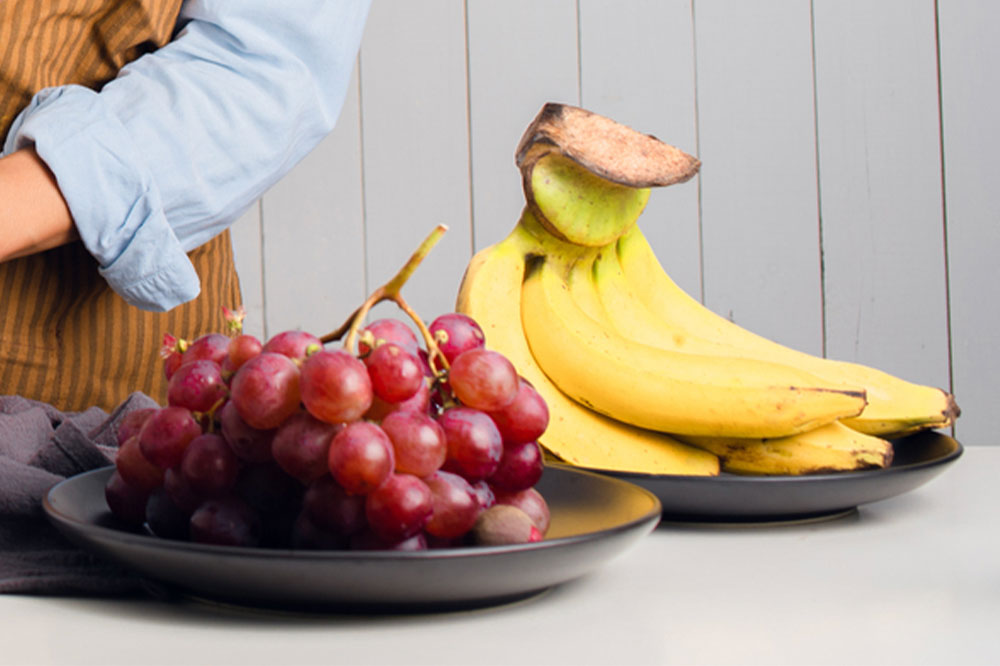
Fruits and vegetables that don’t cause bladder irritation are safe to eat to manage overactive bladder symptoms better. Bananas, grapes, watermelon, strawberries, blackberries, apples, and coconuts are great fruits to eat regularly. You can add vitamin-rich vegetables such as asparagus, broccoli, cucumber, kale, carrots, celery, lettuce, and peppers to meals.
Eat foods rich in fiber
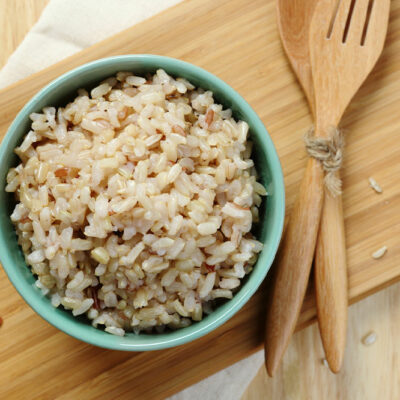
Lentils, beans, bran, barley, artichoke, oats, and raspberries are excellent fiber-rich foods that promote better digestion. They help relieve discomforts linked to constipation that puts excess pressure on the bladder and the urinary tract. Also, almonds, pistachios, and pecans are excellent nuts to eat to overcome problems linked to constipation.
Eat foods rich in proteins
Protein is necessary for muscle growth and tissue repair in damaged cells. In an overactive bladder, the organ loses its ability to control and hold fluids, resulting in incontinence. Consuming more lean proteins such as chicken, turkey, fish, and eggs can help improve damaged muscle and overcome muscle control issues.
Foods to avoid
Overactive bladder symptoms can worsen over time due to several trigger foods. These range from acidic fruits and vegetables to even sweetened and carbonated beverages. Avoid limes, lemons, grapefruit, oranges, tomatoes, and even tomato products that are rich in natural citric acid. Spicy foods, foods containing added preservatives, additives, flavorings, sugar, and sugar substitutes will also worsen the symptoms. Also, avoid consuming sports drinks, carbonated beverages, and caffeinated beverages like tea, coffee, and energy drinks to control the symptoms of an overactive bladder.
Lifestyle changes to help overcome overactive bladder symptoms
Changes in daily nutrition can also be supplemented with effective lifestyle habits and a routine that improves control over urge and incontinence.
Pay attention to your fluid intake
Drinking too much water or other liquids can increase the urge and frequency to urinate with an already overactive bladder. Drinking more fluids during the day and avoiding hydrating at night is recommended. The body can also absorb liquids from daily foods, so pay attention to your fluid intake by keeping track of what you eat.
Explore bladder training exercises
Bladder training can also help train the muscles to gain more control. The first step is identifying a pattern of urge, frequency, and need for daily urination. Maintaining these details in a diary will help identify the problem and severity of the symptoms. Once the patterns are identified, it is possible to devise an interval plan to space out the urge to urinate. Over time, your mind and body will get used to the new routine, and with practice, it may be possible to overcome an overactive bladder condition.
Doctors also suggest pelvic floor exercises, including Kegel exercises, biofeedback sensor training, and vaginal weight training to control pelvic floor muscles better and manage incontinence. Daily physical exercise, maintaining a healthy body mass index, and avoiding stimulating substances will be beneficial in the long run.
Other treatment options to overcome an overactive bladder
Botox injections
Botox injections can be injected into the bladder tissue to help the muscles relax. It will, thus, help the bladder hold urine for longer These injection doses usually last for six months before it is time to take a follow-up shot.
Nerve stimulation techniques
Percutaneous Tibial Nerve Stimulation (PTNS) is a non-surgical option where electricity is conducted carefully to stimulate the tibial nerve, helping prevent muscle spasms that could lead to incontinence.
Surgery
Surgery is the only viable option for patients with severe overactive bladder symptoms. It is done to improve the bladder’s capacity to store more urine. However, the procedure could also lead to permanent catheter use. In extremely severe cases, bladder removal is the only option. In this type of surgery, the organ is replaced with an artificial system to collect urine outside of the body.
It is always advisable to consult with medical professionals to understand the impact of changes in daily foods, treatment options, and lifestyle remedies to manage an overactive bladder. If the symptoms flare up, seek immediate medical attention at any point before or during treatment to avoid permanent damage to the organ.