4 tips for managing menopause symptoms
Menopause is a transitional phase that indicates the end of a woman’s menstrual cycle. It is usually observed within and after 12 months of the last menstruation, and its symptoms can last over many months. Menopausal women usually experience symptoms like night sweats, hot and cold flashes, irregular periods, issues with sleep, vaginal dryness, and thinning of bones and hair during this phase. However, menopause and its symptoms can be managed by following these tips:
Get adequate sleep
Insomnia is a common symptom that most women experience during this phase. Hot flashes, frequent urination, and joint pain are other symptoms that can further disrupt sleep. Here is how one can set up and stick to a sleeping schedule:
Consult the doctor, who may recommend hormone replacement therapy (HRT) or mild anti-depressants to help people sleep.
Engage in physical activities like aerobics, jogging, and running to induce good sleep and increase your sleep duration.
Do not sleep right after dinner. Develop the habit of eating at least two hours before bedtime.
Have no more than one or two cups of coffee, tea, chocolate drinks, or cola every day. Caffeine can trigger both hot flashes and night sweats. It is also a natural diuretic that can increase the urge to urinate and disturb your sleep.
Make the bedroom comfortable by setting the right temperature and humidity levels for undisturbed sleep.
Develop a sleeping routine by going to bed and waking up at the same time every day.
Start exercising
Being physically active during the phases can help people manage their moods and reduce the chances of undergoing severe stress. Allocating 30 minutes a day for physical activities can help with one’s overall health. Some ideal exercises for women going through menopause are:
Aerobics that increase heart rate and improve blood circulation
Stretching exercises
Walking, running, cycling, jogging, or any sport that they enjoy
Manage stress
Making small yet significant changes to the lifestyle can help one adapt to the physical and emotional changes experienced during the period. Picking up a new hobby like music, art, pottery, or working on something one enjoys can keep stress at bay. This can help one overcome the fatigue that is a natural consequence of experiencing menopause.
Make better food choices
Lower levels of estrogen can cause irregular or heavy periods, which also leads to loss of fertility. High blood pressure and higher cholesterol levels are common consequences of menopause. They can put one at a higher risk for heart diseases. The efficacy of HRT depends on the type of hormone used and one’s current health condition. HRT is also not recommended if one has a risk of endometrial and breast cancers. In such cases, people can work on managing symptoms with the right food and lifestyle choice to reduce the impact of lower estrogen levels. The following items should be added to meals:
Calcium-rich foods: People start losing calcium from the age of 35, and this gets accelerated during menopause, leading to a higher risk of osteoporosis. Plan a menu that has portions of calcium-rich items like leafy vegetables like spinach, kale, watercress, and broccoli; fruits like dates, kumquat, kiwis, and mulberry; cheese, milk, and yogurt; fish like salmon, whitebait, pilchards, and sardines; nuts like Brazil nuts and almonds.
Foods with vitamin D: The best source of Vitamin D is sunlight. Spending about 10 minutes outdoors in the morning and evening can help one’s skin can absorb sunlight. Further, doctors can recommend supplements along with foods rich in vitamin D like mushrooms; fish like salmon, herrings, sardines, and egg yolk; food fortified with vitamin D like soy milk, cereals, and orange juice, oatmeal.
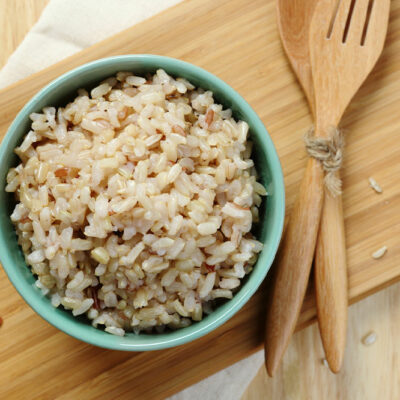
Foods that help absorb calcium: The reduction of bone density is an unavoidable fallout of low estrogen. Apart from increasing calcium intake, one should also focus on combining it with food that helps the body absorb calcium. Peanuts, meat, cheese, onions, garlic, whole grains, nuts, soya, linseeds, and legumes are some foods that help increase calcium absorption.
Change cooking style
One can also change their cooking habits to make the food healthier and able to manage the symptoms. Some such changes include:
Shifting from animal-based fat to plant-based oils for cooking
Reducing the amount of salt in cooking
Using more herbs and spices for seasoning
Shifting from simple carbs to complex carbs and high-fiber food
Eating a bowl of nuts and seeds four times a week
Adding 4 or 5 colored vegetables or fruits to the daily nutritional regimen
Explore treatment options
Doctors classify the transitional period into 3 phases—perimenopause, menopause, and post-menopause. The first phase can last for five years with irregular periods and reduced possibility of pregnancy. The second is when one goes through their last period. Post-menopause is observed after 12 months of the last menstruation, and it implies that the body no longer produces estrogen. The phases can increase the risk of hormonal changes, osteoporosis, urinary incontinence, and even heart diseases. It is important to communicate concerns with the doctor to help understand the associated risks and manage persistent symptoms. The doctor can recommend the following options:
Increased consumption of calcium and vitamin D through meals and supplements
Hormone replacement therapy (HRT) in the form of tablets or injections
Gabapentin to control hot flushes
Use of vaginal lubricants to reduce discomfort and dryness
Low-dose anti-depressants (if needed)
Pelvic floor muscle exercises for reduced bladder control
Periodic health check-up