Home - Health - 6 Common Signs Of Thyroid Eye Disease
6 common signs of thyroid eye disease

6 common signs of thyroid eye disease

Often, one may notice some irritation and redness in the eyes, which is typically brought on by an allergic reaction, foreign substances entering the eyes, or excessively rubbing the eyes. In rare cases, it could indicate an underlying condition. For instance, thyroid eye disease is an autoimmune condition responsible for eye inflammation. So, one can watch out for the following common signs of the condition to seek an early diagnosis:

1. Red eyes
Thyroid eye disease can cause redness of the eyes, which is also one of the first signs of the condition. It is brought on by inflammation, swelling, and irritation of the thin coating, called conjunctiva, that covers the white portion of the eyes. As eyes can seem to be red due to reasons other than thyroid eye disease, it is common to ignore this symptom and delay medical intervention. However, if one notices persistently red eyes, they should consult a doctor and get a diagnosis. 

2. Dry eyes
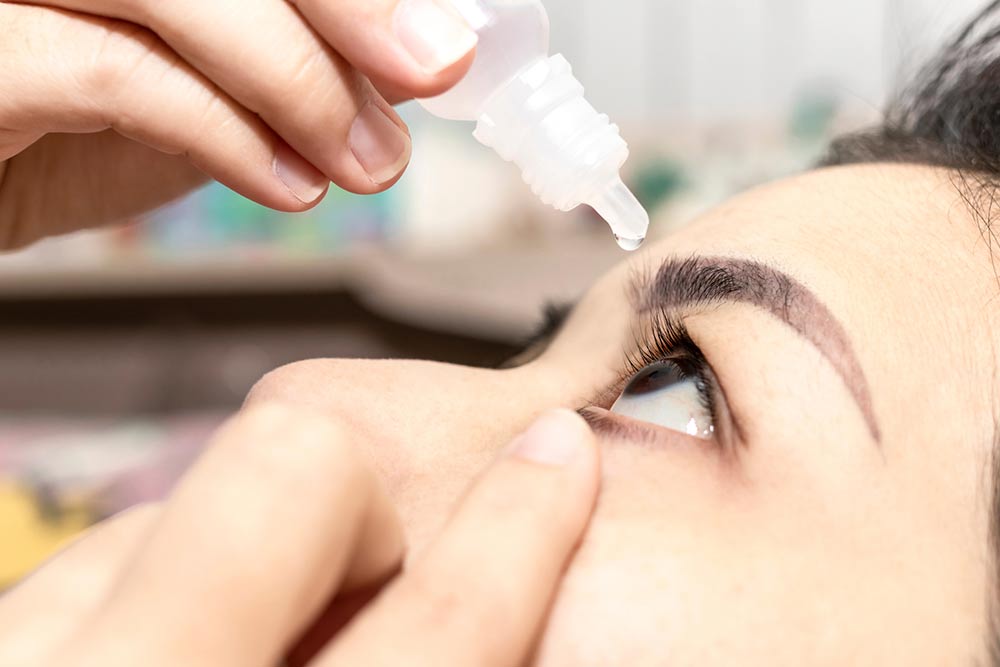
The increase in inflammation levels associated with thyroid eye disease can lead to a number of issues, including dry eyes and the feeling of grittiness in the region. Autoimmune thyroid conditions are known to result in dry eye syndrome at times. As a result, one may also experience some pain while trying to move their eyes. The most common mode of treatment to tackle the lack of moisture in the eyes is the use of artificial tears. These are eye drops or tear-mimicking solutions that can restore the lubrication in the eyes. Alternatively, some people with thyroid eye disease might even experience excessive production of tears in their eyes as a result of increased inflammation in the region. Dryness can also result in watery eyes as an attempt to deal with irritation of the eyes. 

3. Swelling around the eyes
As thyroid eye disease leads to inflammation, the muscles and tissue around the eyes can puff up when inflamed. If one notices persistent swelling around the eyes, they should consult a doctor. Some prescription treatments can help reduce puffiness and swelling.

4. Bulging eyes
The bony part of the skull where the eyeballs sit is known as the orbit, which has muscles and fat cells that are connected to the eyeballs. When dealing with thyroid eye disease, the immune cells cause inflammation that makes the muscles, fat, and other tissue in this region expand, pushing the eyes forward and making the eyes bulge. This can make it difficult to close the eyes all the way, so bulging of the eyes also worsens dryness by exposing the eyes to more moisture loss. One should consult a doctor who can prescribe options to relieve swelling and bulging of the eyes.

5. Thyroid stare
This symptom is a result of bulging in the eyes. When the eyeballs are pushed forward, the eyelids can be pushed back. Further, the muscles that open and close the eyelids can become more restricted, leading to a phenomenon called the “thyroid stare”. Here, one may constantly look like they are staring. When one experiences this symptom, they can find it difficult to close their eyes due to the restricted movement of eyelids.

6. Double vision
Double vision, also known as diplopia, is another warning sign of thyroid eye disease. Here, the swelling can interfere with the function of the eyes. Further, the restriction of movement of the eyeballs and the eyelids can lead to one seeing dual images of a single object. This can be corrected with special eyeglasses. Sometimes, this symptom may require surgery. 

Thyroid eye disease is associated with Graves’ disease, an autoimmune condition that leads to an overactive thyroid gland. So, if diagnosed with Graves’ disease, one may be able to watch out for thyroid eye disease symptoms in the months following the diagnosis. Upon noticing any of the warning signs, one should consult a doctor and get a proper diagnosis. The doctor can conduct an eye exam, blood tests, and imaging tests to confirm if the thyroid hormone levels and antibodies are higher than normal. Based on the results, the doctor will confirm if one is dealing with thyroid eye disease. They can then develop a treatment plan based on the severity of symptoms. Most symptoms can be treated with prescription options. 
Latest Articles

4 hair styling tools that give a salon-like look
Beauty

4 hair styling tools that give a salon-like look

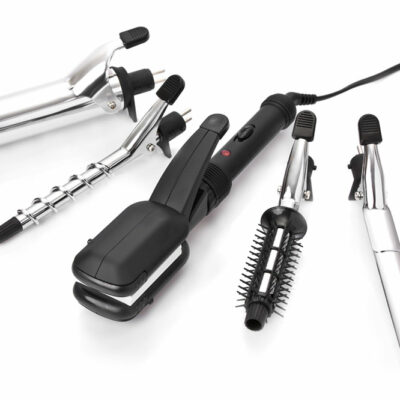
If you like to style your hair frequently without having to spend money at salons, you can invest in some basic hair styling tools. These tools can create beach waves or curls or even straighten them out. There are many hair styling tools that are versatile, easy to use, and do little or no damage to your hair. If you want to invest in hair styling tools, here are a few tools to check out: Hair straightener and curler Combining a hair straightener and curler that is suitable for all hair types allows you the freedom to try out trending hairstyles. Look for a professional straightener or curler with a ceramic or copper flat iron. Choose a flat iron that allows you to control the temperature so that you don’t damage your hair. Experts claim that setting the straightener or curler to temperatures as high as 455 degrees can help straighten the most challenging and rigid curls. The copper ceramic tools also ensure that the hair doesn’t break while you are straightening, leaving your hair straight and smooth once you are done. You can also choose regular and smart Bluetooth straighteners to help you choose the best temperature and care settings every time you use the tool. Hot air brush Hot air brushes combine a hairbrush with a flat iron and blow dryer. Choose the desired heat setting and gently brush your damp hair. It is essential to remember a hot air brush cannot be used on wet hair or right after your shower; your hair needs to be dry by at least 80%. It works well with mildly damp hair. The bristles in the hairbrush guide your hair, and the heated plates smooth and polish it. You no longer need to use a hair dryer to dry your hair after a shower and then use a straightener.
8 effective remedies for nasal polyps
Health

8 effective remedies for nasal polyps

Nasal polyps are tiny tear-shaped growths in the nose and sinuses, usually brought on by asthma, infection, allergies, or other kinds of inflammation. These polyps are usually painless and non-cancerous, however, they can be big enough to cause itchiness, breathing difficulties, sneezing, and running nose. Doctors usually prescribe nasal sprays that can relieve the symptoms and get rid of the polyps. However, one can also try a few natural remedies to deal with the condition: Neti pot (or nasal irrigation) Neti pot is a popular and convenient nasal irrigation device. All one has to do is fill this container with saline solution or add 1–2 tsp salt to distilled water or boiled (and then cooled) tap water. Then, one would have to lean over a washbasin or a sink and tilt their head sideways so that the liquid does not flow back into the mouth. One would have to breathe through the mouth, insert the spout into the upper nostril and allow the fluid to drain from the lower nostril. Then the nostrils will have to be cleaned by blowing the nose to remove mucus and dirt. This process should be repeated through the other nostril. The goal is to loosen and clear the mucus and debris like dust or pollen from the nasal cavity. Using a neti pot twice a day can help improve symptoms of nasal polyps. The container and hands have to be clean and dry to prevent infection. Steam inhalation In the absence of a nasal irrigation device, one can use steam to relieve nasal congestion, headaches, and other symptoms. People can boil some water in a pot or dish, place it on a counter or the dining table right in front of them as they sit in a comfortable position, and inhale the steam for a while.
4 foods that are surprisingly bad foods for diabetics
Health

4 foods that are surprisingly bad foods for diabetics

Many foods are portrayed to be the best for diabetics, but it would be surprising to know that even wholesome foods could cause a spike in sugar levels if the portion size is not moderated. Food choices truly matter when a person has diabetes. Under normal circumstances, one would think that these foods aid in better health and maintain sugar levels, but they don’t. Here are four surprisingly bad foods for those with diabetes: Brown rice While brown rice certainly has more fiber than white rice, a single cup of brown rice contains nearly 50 grams of carbohydrates. This can easily be broken into glucose which could spike the sugar levels. The alternative would be to cut down on rice and add more green leafy vegetables. Fresh fruit juice It does not matter if one opts for seasonal juice or those that claim that they have no extra sugar added. If we take an orange as fruit and look at its nutrient content, it has about 15 grams of carbohydrates, vitamins, and fiber. An orange juice, on the contrary, has 45 grams of carbohydrates and less of other nutrients. Therefore, drinking juice is not the same thing as eating fruit.   Dried fruits If one thinks having a raisin is healthier than a chocolate cookie, think again. Raisins contain 1 gram of carb more than what is available in a chocolate cookie. That said, they are undoubtedly wholesome compared to a cookie. However, both of them would result in a spike in blood sugar. The same holds good for cranberries and apricots. Yogurt Yogurt offers a plethora of health benefits, including probiotics for gut health. However, they are heavily processed and contain a wallop of 30 grams of sugar, even in the best of the brands. Ensure to read the ingredient before buying one.