6 effective tips for relief from nasal congestion
Nasal congestion is a common discomfort caused by sinus and nasal cavity inflammation. An allergen could trigger it, or it could simply be a side effect of other diseases. Nasal congestion results in excess mucous production and swelling of the tissues and blood vessels in the nose. It is possible to manage these discomforts with FDA-approved prescriptions, simple changes in daily nutrition, and lifestyle remedies that improve the overall outlook, such as the following:
Treatment options
Doctors suggest prescriptions to primarily manage severe sinus congestion and nasal inflammation symptoms.
Allegra®
Allegra® is an FDA-approved prescription that belongs to a class of antihistamines formulated to provide relief from nasal congestion and common allergies. There are separate non-drowsy fast-acting formulas for children and adults available in the form of sprays, liquids, and more for direct consumption. Allegra® helps counter the histamine production that could result in a runny nose, sneezing, itching, and water eyes, among other common symptoms of cold and allergies.
Foods to eat and ease nasal congestion
Many daily foods and beverages can help manage symptoms and counter inflammation caused by nasal congestion and sinus allergies. Chicken soup ranks among the top foods, and for a good reason. Chicken broth contains an amino acid called cysteine that helps break down mucous, thus relieving congestion. Jalapeno peppers and cayenne peppers contain capsaicin and have the same effect as they release heat. Fresh pineapple slices contain bromelain, a compound that naturally counters inflammation. Additionally, ginger and horseradish can be added to daily cooking as these spices contain compounds that help clear the sinuses. All other foods and beverages rich in antioxidants and vitamin C can help boost immunity and prevent common allergies and infections from developing in the sinuses.
Tips, lifestyle changes, and home remedies
In addition to prescription and changes in nutrition, the following lifestyle changes and tips for managing congestion can also improve one’s quality of life.
Use a humidifier
Increasing the humidity in the room by using a humidifier or a vaporizer can effectively help relieve any nasal congestion. Hot steam vaporizes the air and produces a soothing mist. This humidity helps relieve inflammation in the nasal passage, helps loosen the mucous, and soothes the airways to promote better breathing. It is also very cost-effective and can be done multiple times during the day for prolonged relief. It is okay to add a few drops of essential oils or plant-based extracts to create an aromatic mist. Although, ensure that nobody is already allergic to such oils as it can only make the symptoms worse. Warm mist and cool mist humidifiers (preferred for children) can be purchased from the local pharmacy.
Try steam inhalation
Inhaling steam is a more direct way of dealing with nasal congestion if the symptoms are severe. There are several ways to do this at home and many people prefer taking a super-hot shower, using a plain vessel with boiling water, or even purchasing a commercial face steamer appliance. Steam helps relax the membranes inside the nasal cavity and prevents inflammation from blocking the airways. This is, however, just a temporary solution as once the steam evaporates, its effectiveness doesn’t last for long.
Explore neti pot irrigation
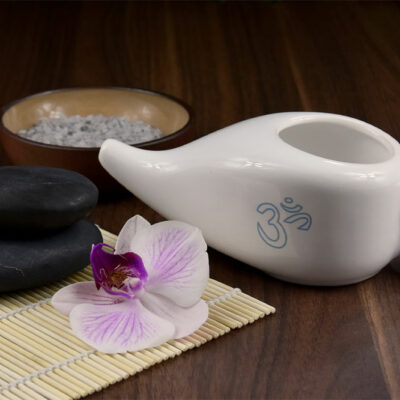
Cleansing the nasal passage thoroughly with a simple saline solution made with lukewarm water and salt can also help provide relief from nasal congestion. A neti pot is a simple device designed with a long spout designed to irrigate the nasal passage. The procedure is quite simple: tilt the neti pot and allow the solution to pour into the sinus cavity from one nostril. The liquid will pour out from the other nostril and help flush all the mucous, gunk, and bacteria out of the cavity. The warm saline solution also acts as a disinfectant and soothes the nasal passage to relieve inflammation. It will take some practice to learn to use the device efficiently.
Use a warm compress
The simplest way to transfer some heat into the nasal passage is by using a warm compress. Take a plain washcloth or hand towel and soak it in hot water. Ensure the liquid is not boiling hot to avoid serious burns. Wring out the excess water and then gently apply the compress on the face. Put gentle pressure over the nose and around the sinus to let the heat transfer. Alternatively, consider buying a warm compress water bag from the local pharmacy if the towel idea is not appealing. This technique must be repeated a few times during the day for maximum relief.
Getting proper rest
Studies show that the body’s immune system kicks into high gear during a full sleep cycle, producing proteins that fight inflammation and lower the risk of infections. Even changing the sleeping position by adding an extra pillow to support the head and sleep on one side prevents the mucous from flowing back into the nasal cavity. Sleeping with the head in an elevated position also makes it easy to breathe normally. Some specialists also suggest using nasal strips that work by lifting the sides of the nose a little more to open the cavity.
Drink plenty of fluids
One of the most important aspects of proper hydration is linked to the sinus cavity. With enough water in the body, the mucous gunk will be produced thin, and it will be easy to force it out with minimal effort. There are many studies that suggest the benefits of warm infusions and soothing hot beverages that help relieve the pressure on sinus and nasal cavities. Note that staying hydrated is not a cure.