Home - home & needs - 6 Mistakes To Avoid When Buying A Chainsaw
6 mistakes to avoid when buying a chainsaw

6 mistakes to avoid when buying a chainsaw

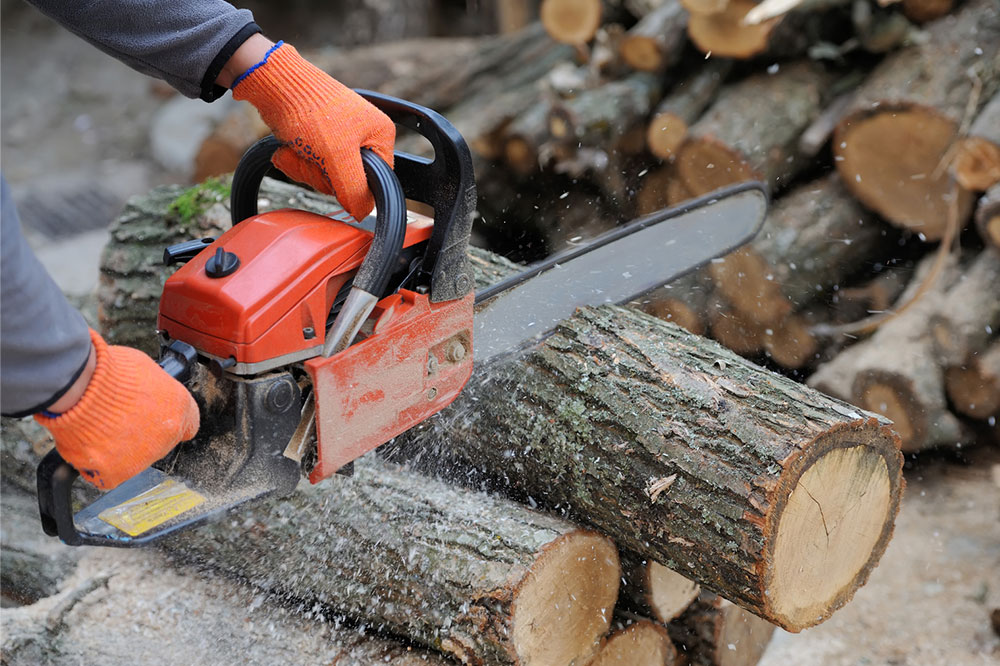
Chainsaws are powerful and must-have tools for your tool kit. You can easily use a chainsaw for various purposes, like clearing a thick bush, felling a tree, slicing off dangerous broken tree limbs, or cutting stumps for firewood. However, choosing from a wide variety of chainsaws, from battery-operated ones to the best gas chainsaws on the market, can require a lot of consideration. So, here are a few mistakes to avoid when purchasing a chainsaw.

Not choosing the right type
There are several different types of chainsaws you can find today. From the best electric chainsaws to the best gas chainsaws on the market, you should determine the best choice for you. For this, you need to do your own research and speak to an expert. Gas chainsaws are gasoline-powered, ranging from lightweight to heavy-duty professional ones. Electric chainsaws can be cordless (that is, battery-operated tools) or corded, which will require an extension cord. In addition, there are pole saws, where a small saw is attached to a mounted pole. These can be gasoline-powered or corded.

Not checking your requirements
Different types of chainsaws meet specific needs. You need to know the kind of tasks you want the chainsaw to help you carry out. If you are only looking for pruning, trimming, or low-intensity cutting work, light electric chainsaws are good. If you want to do heavy-duty work, such as cutting down large trees, branches, or limbs of trees, a powerful gas chainsaw is what you need. Also, you need to know how frequently you want to use the chainsaw. If you are using it on a regular basis, a gas chainsaw is suitable. If you want something lighter and cheaper, electric chainsaws are the way to go.

Overlooking the risks
Whether you are choosing from the best gas chainsaws on the market or electric ones, you need to account for all risks to your safety if you are inexperienced and use a large and powerful machine. Safety issues can arise if you do not have a complete understanding of the hazards. A large and powerful gas chainsaw is useful for cutting through any type of wood. However, few know you must be strong and fit to operate such machines. This is because a heavier machine can easily tire you, leading to sloppiness and potentially serious injuries.

Not checking the bar length
The best way to understand the size of a saw and the intensity of work it can do is to look at its bar length. A saw with a longer bar can cut down wood of a larger diameter in just one pass. In general, chainsaws intended for household uses have bar lengths ranging from 6 inches for small electric saws to about 20 inches for bigger gas chainsaws. Most professional-level chainsaws have bar lengths of over 20 inches.

Not evaluating key features
A common mistake most people make while buying chainsaws is not learning about the features of the equipment. Did you know that many aspects determine a chainsaw’s capability and power? Features such as engine displacement (in gas-powered chainsaws), voltage (in cordless electric chainsaws), amperage (in corded electric models), and horsepower directly indicate the power range and capacity of the machine. The chainsaw will have more power if the number of units of each aspect is high. The power is a critical aspect, specifically when you want a chainsaw to work with larger branches of trees or want to cut through oak, maple, and other hardwood timber.

Not buying safety equipment
A common rookie mistake that people make while buying a chainsaw is skimping on the safety gear. Even if you just want to prune or trim in your front yard or backyard, you will need to protect yourself. A general safety measure while using any power tool is to wear adequate protective gear. Standard safety gear while using a chainsaw includes eye protection (preferably including side shields), hearing protection (earmuffs and earplugs), shoes or boots (ideally, with nonskid soles and steel toes), and hard hats with neck guards and face protection. To use chainsaws, you need to buy specialized gear such as chaps or cut-resistant pants to shield your legs and cut-resistant and strong grip gloves to protect your hands.

Latest Articles

4 hair styling tools that give a salon-like look
Beauty

4 hair styling tools that give a salon-like look

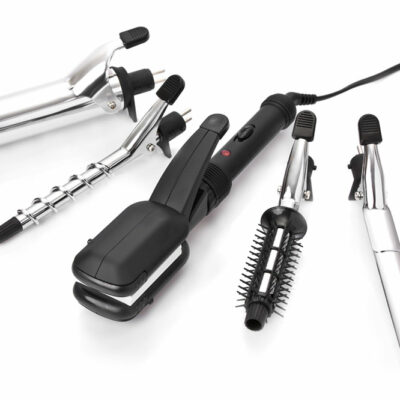
If you like to style your hair frequently without having to spend money at salons, you can invest in some basic hair styling tools. These tools can create beach waves or curls or even straighten them out. There are many hair styling tools that are versatile, easy to use, and do little or no damage to your hair. If you want to invest in hair styling tools, here are a few tools to check out: Hair straightener and curler Combining a hair straightener and curler that is suitable for all hair types allows you the freedom to try out trending hairstyles. Look for a professional straightener or curler with a ceramic or copper flat iron. Choose a flat iron that allows you to control the temperature so that you don’t damage your hair. Experts claim that setting the straightener or curler to temperatures as high as 455 degrees can help straighten the most challenging and rigid curls. The copper ceramic tools also ensure that the hair doesn’t break while you are straightening, leaving your hair straight and smooth once you are done. You can also choose regular and smart Bluetooth straighteners to help you choose the best temperature and care settings every time you use the tool. Hot air brush Hot air brushes combine a hairbrush with a flat iron and blow dryer. Choose the desired heat setting and gently brush your damp hair. It is essential to remember a hot air brush cannot be used on wet hair or right after your shower; your hair needs to be dry by at least 80%. It works well with mildly damp hair. The bristles in the hairbrush guide your hair, and the heated plates smooth and polish it. You no longer need to use a hair dryer to dry your hair after a shower and then use a straightener.
8 effective remedies for nasal polyps
Health

8 effective remedies for nasal polyps

Nasal polyps are tiny tear-shaped growths in the nose and sinuses, usually brought on by asthma, infection, allergies, or other kinds of inflammation. These polyps are usually painless and non-cancerous, however, they can be big enough to cause itchiness, breathing difficulties, sneezing, and running nose. Doctors usually prescribe nasal sprays that can relieve the symptoms and get rid of the polyps. However, one can also try a few natural remedies to deal with the condition: Neti pot (or nasal irrigation) Neti pot is a popular and convenient nasal irrigation device. All one has to do is fill this container with saline solution or add 1–2 tsp salt to distilled water or boiled (and then cooled) tap water. Then, one would have to lean over a washbasin or a sink and tilt their head sideways so that the liquid does not flow back into the mouth. One would have to breathe through the mouth, insert the spout into the upper nostril and allow the fluid to drain from the lower nostril. Then the nostrils will have to be cleaned by blowing the nose to remove mucus and dirt. This process should be repeated through the other nostril. The goal is to loosen and clear the mucus and debris like dust or pollen from the nasal cavity. Using a neti pot twice a day can help improve symptoms of nasal polyps. The container and hands have to be clean and dry to prevent infection. Steam inhalation In the absence of a nasal irrigation device, one can use steam to relieve nasal congestion, headaches, and other symptoms. People can boil some water in a pot or dish, place it on a counter or the dining table right in front of them as they sit in a comfortable position, and inhale the steam for a while.
4 foods that are surprisingly bad foods for diabetics
Health

4 foods that are surprisingly bad foods for diabetics

Many foods are portrayed to be the best for diabetics, but it would be surprising to know that even wholesome foods could cause a spike in sugar levels if the portion size is not moderated. Food choices truly matter when a person has diabetes. Under normal circumstances, one would think that these foods aid in better health and maintain sugar levels, but they don’t. Here are four surprisingly bad foods for those with diabetes: Brown rice While brown rice certainly has more fiber than white rice, a single cup of brown rice contains nearly 50 grams of carbohydrates. This can easily be broken into glucose which could spike the sugar levels. The alternative would be to cut down on rice and add more green leafy vegetables. Fresh fruit juice It does not matter if one opts for seasonal juice or those that claim that they have no extra sugar added. If we take an orange as fruit and look at its nutrient content, it has about 15 grams of carbohydrates, vitamins, and fiber. An orange juice, on the contrary, has 45 grams of carbohydrates and less of other nutrients. Therefore, drinking juice is not the same thing as eating fruit.   Dried fruits If one thinks having a raisin is healthier than a chocolate cookie, think again. Raisins contain 1 gram of carb more than what is available in a chocolate cookie. That said, they are undoubtedly wholesome compared to a cookie. However, both of them would result in a spike in blood sugar. The same holds good for cranberries and apricots. Yogurt Yogurt offers a plethora of health benefits, including probiotics for gut health. However, they are heavily processed and contain a wallop of 30 grams of sugar, even in the best of the brands. Ensure to read the ingredient before buying one.