Home - Health - 7 Common Plants That Are Dangerous For Cats
7 common plants that are dangerous for cats

7 common plants that are dangerous for cats

Cats are naturally curious and tend to grab and play with things they find in their environment. So, they can end up grabbing or even chewing on dangerous plants, which can cause multiple complications and health-related issues. Cat parents should exercise caution when exposing their feline companions to outdoor environments or their own home and garden that can house poisonous plants. Some of the common plants that are toxic to cats are:

Amaryllis
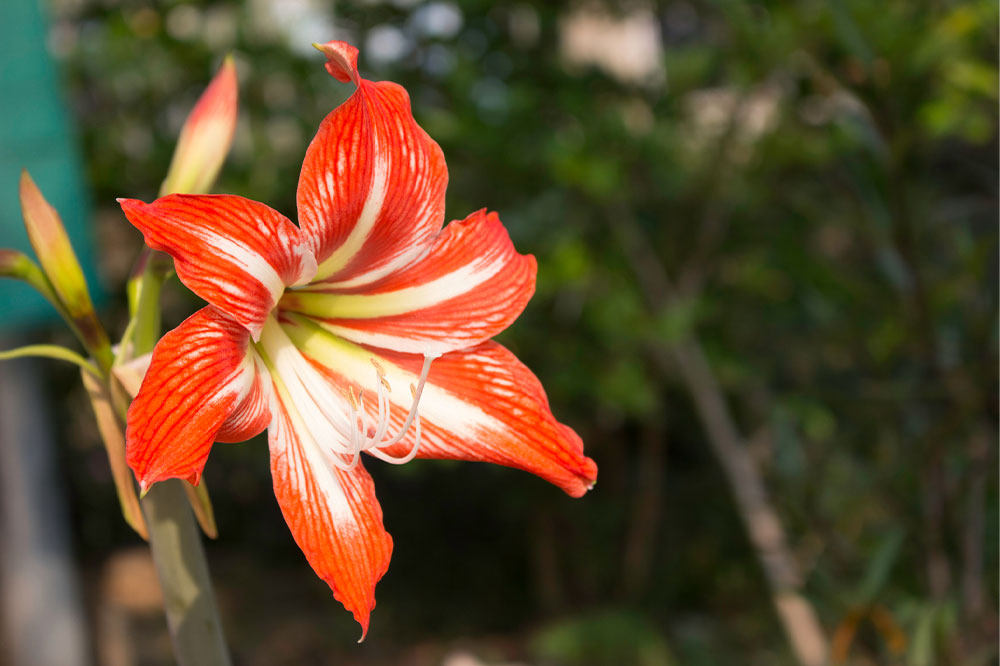
Amaryllis is a popular indoor and outdoor plant that is grown in pots and containers, making it a popular gift during the holiday season. Cats can be drawn to its vibrant flowers, however, the plant contains toxins like lycorine and phenanthridine alkaloids. While the bulbs have the highest concentration of toxins, the stalks are also poisonous to cats. If ingested, cats can experience symptoms like drooling, vomiting, diarrhea, and tremors. They may even seem lazy, lethargic, and show no willingness to eat. Other severe effects include a drop in their blood pressure and seizures.

Autumn crocus
The autumn crocus contains colchicine and other alkaloids, which can be toxic to many animals, including cats. If cats chew on the flower or seeds of this ornamental plant, they can experience vomiting, diarrhea, and drooling. Ingesting it can also lead to gastrointestinal issues, breathing problems, fever, loss of appetite, and even bloody stool. Symptoms may begin to appear shortly after ingesting the plant or days after.

Rhododendrons or azaleas
Rhododendron is a common shrub with many subspecies, including azaleas. Its beautiful bell-shaped flowers make it a popular choice among gardeners. However, all parts of this shrub are extremely poisonous to cats. The toxicity is caused by grayanotoxins, a component that contains diterpenoid compounds. On ingestion, these toxins attach themselves to the cat’s cells and wreak havoc on their tiny bodies. It impacts the normal functioning of the feline’s internal organs and central nervous system. The damage can extend to the cat’s GI tract and can cause hemorrhage or internal bleeding, pneumonia, and kidney and liver failure. Initial symptoms include nausea, vomiting, diarrhea, nasal discharge, and drooling. Other severe complications of rhododendron poisoning in cats are blindness and limb paralysis.

Castor beans
Castor beans are used to produce oil as a natural remedy for constipation, however, these beans can be highly dangerous for pets. The toxin at play here is ricin, present in high amounts in castor beans. This plant can be deadlier than cobra venom to cats. Even a small amount of the toxin can be fatal or can induce symptoms like nausea, vomiting, diarrhea, fever, loss of appetite, weakness, and tremors. More serious consequences of castor bean poisoning are kidney failure, seizures, and coma.

Chrysanthemum
This plant is easy to grow, requires minimum maintenance, and comes with beautiful, bright-colored flowers. However, chrysanthemum is off-limits to cats as it contains toxins like lactones, pyrethrins, and sesquiterpene and can cause severe gastrointestinal discomfort if ingested. Initial symptoms include vomiting, diarrhea, itching, loss of appetite, skin lesions, or swelling.

Cyclamen
Cats are drawn to the bright butterfly-shaped flowers of cyclamen (or sowbread plant). It contains toxins known as terpenoid saponins, which get absorbed into the cat’s bloodstream when ingested. Cyclamen poisoning can be fatal and cause irregular heartbeat and seizures. Other complications include gastritis, pain, paralysis, terminal convulsions, and respiratory failure. Initial symptoms include drooling, diarrhea, vomiting, lack of appetite, and roughening of the cat’s coat.

Paperwhite
Paperwhite, along with other plants of the Narcissus genus such as daffodil and jonquil, contains toxic components like galantamine, calcium oxalate crystals, and narciclasine along with a primary toxin lycorine. Paperwhite plants are poisonous to most animals, and cats may be attracted to the bright flowers or bulbs that are the most toxic part of the plant. Ingestion of this plat can lead to convulsions, increased heart rate, breathing and respiratory problems, and kidney damage in cats. Common initial symptoms include drooling, nausea, vomiting, diarrhea, and stomach aches.

Not just poisonous plants, pets are susceptible to a variety of infections, diseases, and infestations which can lead to serious health complications. Here are a few popular treatment options that can keep them safe:

Bravecto for cats
This topical solution for cats can provide 2-month protection from fleas, ticks, and also heartworm, which is an infection carried by mosquitoes. Bravecto Plus can also treat other infections such as intestinal roundworm and hookworm. A single dose every two months can protect your cat from a host of deadly infections caused by parasites.

Simparica
This  is a fast-acting chewable treatment option for dogs and is effective in treating flea and tick infestation in dogs over six months. Simparica is approved for use in dogs, and a veterinarian doctor should be consulted before using this for cats.

Advantix
This is a flea and tick treatment suitable for dogs. Advantix or K9 Advantix II can also repel mosquitos, protecting dogs from infections like heartworm. Cats can be sensitive to the product’s active ingredients, so a vet should be consulted before opting for this product. In fact, pet parents that have both cats and dogs in the house should consult a vet before using it for their dogs. The same company offers another product called Advantage, which is considered to be safe for cats.


Latest Articles

8 effective remedies for nasal polyps
Health

8 effective remedies for nasal polyps

Nasal polyps are tiny tear-shaped growths in the nose and sinuses, usually brought on by asthma, infection, allergies, or other kinds of inflammation. These polyps are usually painless and non-cancerous, however, they can be big enough to cause itchiness, breathing difficulties, sneezing, and running nose. Doctors usually prescribe nasal sprays that can relieve the symptoms and get rid of the polyps. However, one can also try a few natural remedies to deal with the condition: Neti pot (or nasal irrigation) Neti pot is a popular and convenient nasal irrigation device. All one has to do is fill this container with saline solution or add 1–2 tsp salt to distilled water or boiled (and then cooled) tap water. Then, one would have to lean over a washbasin or a sink and tilt their head sideways so that the liquid does not flow back into the mouth. One would have to breathe through the mouth, insert the spout into the upper nostril and allow the fluid to drain from the lower nostril. Then the nostrils will have to be cleaned by blowing the nose to remove mucus and dirt. This process should be repeated through the other nostril. The goal is to loosen and clear the mucus and debris like dust or pollen from the nasal cavity. Using a neti pot twice a day can help improve symptoms of nasal polyps. The container and hands have to be clean and dry to prevent infection. Steam inhalation In the absence of a nasal irrigation device, one can use steam to relieve nasal congestion, headaches, and other symptoms. People can boil some water in a pot or dish, place it on a counter or the dining table right in front of them as they sit in a comfortable position, and inhale the steam for a while.
4 foods that are surprisingly bad foods for diabetics
Health

4 foods that are surprisingly bad foods for diabetics

Many foods are portrayed to be the best for diabetics, but it would be surprising to know that even wholesome foods could cause a spike in sugar levels if the portion size is not moderated. Food choices truly matter when a person has diabetes. Under normal circumstances, one would think that these foods aid in better health and maintain sugar levels, but they don’t. Here are four surprisingly bad foods for those with diabetes: Brown rice While brown rice certainly has more fiber than white rice, a single cup of brown rice contains nearly 50 grams of carbohydrates. This can easily be broken into glucose which could spike the sugar levels. The alternative would be to cut down on rice and add more green leafy vegetables. Fresh fruit juice It does not matter if one opts for seasonal juice or those that claim that they have no extra sugar added. If we take an orange as fruit and look at its nutrient content, it has about 15 grams of carbohydrates, vitamins, and fiber. An orange juice, on the contrary, has 45 grams of carbohydrates and less of other nutrients. Therefore, drinking juice is not the same thing as eating fruit.   Dried fruits If one thinks having a raisin is healthier than a chocolate cookie, think again. Raisins contain 1 gram of carb more than what is available in a chocolate cookie. That said, they are undoubtedly wholesome compared to a cookie. However, both of them would result in a spike in blood sugar. The same holds good for cranberries and apricots. Yogurt Yogurt offers a plethora of health benefits, including probiotics for gut health. However, they are heavily processed and contain a wallop of 30 grams of sugar, even in the best of the brands. Ensure to read the ingredient before buying one.
5 headache symptoms to be wary of
Health

5 headache symptoms to be wary of

Headache is one of the most common health conditions, with nearly half of adults experiencing it approximately once a year. Although headaches may not be a cause of concern, it is necessary to be aware of some warning signs, as they may be associated with a serious underlying condition. Some signs can range from mild discomfort to debilitating pain that can make even most daily tasks difficult. Here are the following signs of a headache: Sensitivity to light and sound It is one of the most common alarming signs of headache that can cause a throbbing sensation, usually on one side of the head, when exposed to light or loud sounds. Although it is not life-threatening, it can severely impact daily tasks. It is also one of the most common warning signs experienced by people worldwide. People suffering from migraine also typically experience this symptom. Other factors that can increase the risk of headaches due to sensitivity to light and sound include diabetes, hypertension, obesity, depression, and stressful life events. Hence, it is crucial to follow a healthy lifestyle to keep such health conditions at bay. Temporary vision problems Some people may experience temporary blindness or flashing lights in one eye. The symptoms associated with visual disturbance can be a result of headaches, migraine, and even spasms in the retina. It is important to note that people suffering from ocular migraines are more prone to vision loss. Apart from this, people suffering from classic migraines or migraines with aura can also have blind spots and floating lights in both eyes. Fever with a stiff neck Fever with a stiff neck is a warning sign of a headache. However, it is also an indication of meningitis or encephalitis, which are signs of inflammation of the brain and membrane surrounding it. The symptom is alarming since it is a result of a fatal infection.