
Home - Health - 7 Early Signs Of Breast Cancer
7 early signs of breast cancer

7 early signs of breast cancer

Breast cancer is a rampant health problem across the country, with about 240,000 cases of this disease diagnosed in women and about 2,100 in men every year. Like many other kinds of cancer, breast cancer is easier to deal with for healthcare professionals and patients if it is detected and diagnosed in its initial stages. There are certain typical signs that emerge in this disease’s early stages and keep worsening from thereon.

Symptoms of breast cancer

Change in size or appearance of the breasts
The tumor in breast cancer grows steadily from the initial stages. Therefore, someone with a developing case of this disease will feel a lump or a bulge growing in their breasts. This automatically magnifies the size of one’s breasts over time. This clearly indicates an abnormal and potentially dangerous tumor growing in the breast area. Apart from the size, even the overall appearance of one’s breasts undergoes a transformation when they initially develop this cancer. For example, it is common for someone with this condition to find changes in skin tone and puckering in and around the areola of their breasts.

Swelling in armpits
The swelling that a woman initially discovers in and around her breasts tends to spread to other nearby areas as well. Therefore, this swelling that is first spotted in the chest area may be found in areas such as the armpits and upper part of the diaphragm.

Swelling around the collarbone and armpits are mainly caused by the cancer spreading rapidly across the lymph nodes in those areas. In fact, in many instances, this spread happens even before one feels a lump in their breasts. This is why healthcare professionals advise women to seek help immediately when they experience hardness or swelling in their breasts and armpits.

Pain and tenderness in the chest
Most kinds of breast cancers do not cause a sharp, stinging pain in the breasts in the early phases. However, this health condition does cause deep and nagging pain in the breasts and surrounding areas. Mostly, women with initial-stage breast cancer experience a sensation of discomfort and pressure in the affected areas. As the malignancy progresses, people with this condition will experience excruciating pain in the later stages. Therefore, it is imperative for women who face the above-mentioned nagging pain to consult an oncologist or, simply, their local physician and get a quick checkup to get an accurate diagnosis.

Apart from breast cancer, other non-cancerous conditions, such as mastitis, also bring about pain in the chest. So, a quick checkup and diagnosis also confirm that someone does not have cancer. This can greatly relieve and alleviate some of the stress that a cancer diagnosis inherently brings.

Irritation in the breast skin
Tumors generally cause changes and debilitation to the skin layers above them. So, along with the nagging pain, women tend to experience itching and irritation in their breasts in the initial stages of breast cancer. The itching and irritation are also brought about by the inflammation that breast cancer causes in and around the lymph nodes and breasts in women.

Dimpling in and around the nipples
As implied above, breast cancer causes widespread inflammation in a woman’s chest area. One of the by-products of this inflammation is dimpling. It involves the blockage of lymph vessels in the skin of people. These vessels carry lymph, the fluid that facilitates the carriage of excessive fluids throughout one’s body to the bloodstream.

Redness and rashes in and around the breasts
As stated earlier, one of the common effects of initial-stage breast cancer is the changes it brings to the skin in and around a woman’s breasts. One such effect caused directly by the malignancy is rashes and redness around the areola. In many cases, the rashes can be found in areas as distant as one’s underarms and the side profile. As implied earlier, these rashes have a peculiar color and appearance that does not match the surrounding skin area. Skin redness is accompanied by the customary itching and irritation in the area.

Nipple retraction
The skin and nodes are not the only zones directly affected by the malignancy. A common indicator of breast cancer is also when a woman’s nipples point inwards (as opposed to pointing outwards, which is the natural position of the breasts). The skin getting affected, and the changes in the cellular structure of the breasts are responsible for this inversion.
Latest Articles

4 hair styling tools that give a salon-like look
Beauty

4 hair styling tools that give a salon-like look

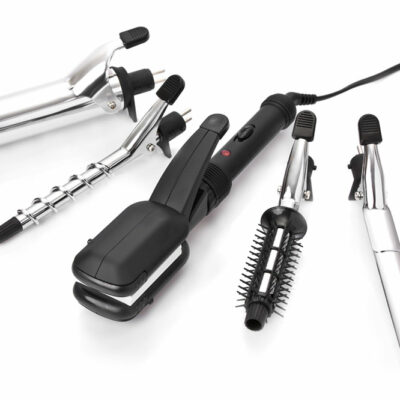
If you like to style your hair frequently without having to spend money at salons, you can invest in some basic hair styling tools. These tools can create beach waves or curls or even straighten them out. There are many hair styling tools that are versatile, easy to use, and do little or no damage to your hair. If you want to invest in hair styling tools, here are a few tools to check out: Hair straightener and curler Combining a hair straightener and curler that is suitable for all hair types allows you the freedom to try out trending hairstyles. Look for a professional straightener or curler with a ceramic or copper flat iron. Choose a flat iron that allows you to control the temperature so that you don’t damage your hair. Experts claim that setting the straightener or curler to temperatures as high as 455 degrees can help straighten the most challenging and rigid curls. The copper ceramic tools also ensure that the hair doesn’t break while you are straightening, leaving your hair straight and smooth once you are done. You can also choose regular and smart Bluetooth straighteners to help you choose the best temperature and care settings every time you use the tool. Hot air brush Hot air brushes combine a hairbrush with a flat iron and blow dryer. Choose the desired heat setting and gently brush your damp hair. It is essential to remember a hot air brush cannot be used on wet hair or right after your shower; your hair needs to be dry by at least 80%. It works well with mildly damp hair. The bristles in the hairbrush guide your hair, and the heated plates smooth and polish it. You no longer need to use a hair dryer to dry your hair after a shower and then use a straightener.
8 effective remedies for nasal polyps
Health

8 effective remedies for nasal polyps

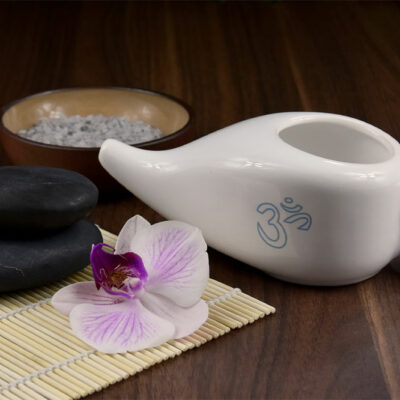
Nasal polyps are tiny tear-shaped growths in the nose and sinuses, usually brought on by asthma, infection, allergies, or other kinds of inflammation. These polyps are usually painless and non-cancerous, however, they can be big enough to cause itchiness, breathing difficulties, sneezing, and running nose. Doctors usually prescribe nasal sprays that can relieve the symptoms and get rid of the polyps. However, one can also try a few natural remedies to deal with the condition: Neti pot (or nasal irrigation) Neti pot is a popular and convenient nasal irrigation device. All one has to do is fill this container with saline solution or add 1–2 tsp salt to distilled water or boiled (and then cooled) tap water. Then, one would have to lean over a washbasin or a sink and tilt their head sideways so that the liquid does not flow back into the mouth. One would have to breathe through the mouth, insert the spout into the upper nostril and allow the fluid to drain from the lower nostril. Then the nostrils will have to be cleaned by blowing the nose to remove mucus and dirt. This process should be repeated through the other nostril. The goal is to loosen and clear the mucus and debris like dust or pollen from the nasal cavity. Using a neti pot twice a day can help improve symptoms of nasal polyps. The container and hands have to be clean and dry to prevent infection. Steam inhalation In the absence of a nasal irrigation device, one can use steam to relieve nasal congestion, headaches, and other symptoms. People can boil some water in a pot or dish, place it on a counter or the dining table right in front of them as they sit in a comfortable position, and inhale the steam for a while.
4 foods that are surprisingly bad foods for diabetics
Health

4 foods that are surprisingly bad foods for diabetics

Many foods are portrayed to be the best for diabetics, but it would be surprising to know that even wholesome foods could cause a spike in sugar levels if the portion size is not moderated. Food choices truly matter when a person has diabetes. Under normal circumstances, one would think that these foods aid in better health and maintain sugar levels, but they don’t. Here are four surprisingly bad foods for those with diabetes: Brown rice While brown rice certainly has more fiber than white rice, a single cup of brown rice contains nearly 50 grams of carbohydrates. This can easily be broken into glucose which could spike the sugar levels. The alternative would be to cut down on rice and add more green leafy vegetables. Fresh fruit juice It does not matter if one opts for seasonal juice or those that claim that they have no extra sugar added. If we take an orange as fruit and look at its nutrient content, it has about 15 grams of carbohydrates, vitamins, and fiber. An orange juice, on the contrary, has 45 grams of carbohydrates and less of other nutrients. Therefore, drinking juice is not the same thing as eating fruit.   Dried fruits If one thinks having a raisin is healthier than a chocolate cookie, think again. Raisins contain 1 gram of carb more than what is available in a chocolate cookie. That said, they are undoubtedly wholesome compared to a cookie. However, both of them would result in a spike in blood sugar. The same holds good for cranberries and apricots. Yogurt Yogurt offers a plethora of health benefits, including probiotics for gut health. However, they are heavily processed and contain a wallop of 30 grams of sugar, even in the best of the brands. Ensure to read the ingredient before buying one.