Home - appliances - 7 Mistakes To Avoid When Buying An Air Purifier
7 mistakes to avoid when buying an air purifier

7 mistakes to avoid when buying an air purifier

Fresh air does more than just purify the lungs – it enhances mood, improves digestion, and boosts energy levels. Unfortunately, as of 2023, about 36% of people nationwide live in areas with unhealthy ozone or particle pollution levels. Since residing in cities is inevitable, installing air purifiers is the next best option to avoid contact with harmful indoor pollutants like argon and radon. However, one should avoid certain common mistakes when buying an air purifier:

Forgetting to check the air change rate
Air change rate or air changes per hour (ACH) indicates how often an air purifier filters all the air in a room within one hour. However, this number may differ among rooms, so one should evaluate an air purifier’s ACH based on the recommended number for different types of rooms. For example, a room with several plants might require a minimum ACH of 4, which can help eliminate pollen, dander, etc. In contrast, an ACH of at least 6 is essential for larger rooms with no plants or pets. One should check the ACH readings of the cleaner in different rooms, compare them against the recommended ACH, and shortlist the one whose ACH comes closest to the recommended values.

Buying incorrect size
Several air purifiers are available online and offline, so it’s easy to pick one with the best features and price but ignore the size factor. Cleaners of multiple sizes are available, so one should consider it an essential factor before zeroing in on an air purifier. The most important aspect to consider when considering air purifier size is the room in which it needs to be installed. One may want to ensure the appliance fits perfectly in its designated space. Similarly, the cleaner’s capacity also needs to be taken into account. For example, an air purifier suitable for the living room may not be ideal to be set up in a large conference room or an office.

Overlooking the noise levels
Air purifiers usually have built-in fans, which might produce some noise. But this noise shouldn’t be overpowering because one may need to have the air purifier turned on at night, and a noisy one can be quite disturbing. So, the best bet is to test the air purifier for noise levels before buying it.

Not considering how the room is utilized
Another common mistake when buying air purifiers is neglecting the purpose of the room in which it is to be installed. This is because the air pollution and smoke levels tend to differ based on what each room is used for. For example, the particulate matter in the kitchen may be higher than in the other rooms because it is constantly exposed to steam and smoke. However, if it is an indoor nursery or a room with many indoor plants, it might not require a high ACH. That’s why one should buy a suitable ACH-level purifier based on the room’s purpose.

Not checking for HEPA filters
High-efficiency particulate air, or HEPA, filters are pleated devices that can efficiently trap several air pollutants, including particulate matter and germs, so the room is minimally polluted. These days, most premium air purifiers come with HEPA filters. Nevertheless, buyers should verify whether the air purifier has HEPA filters installed. Specifically, the air purifier should have a MERV rating of 17 or higher, which indicates that it incorporates a HEPA filter. If the rating is below 17, the purifier doesn’t have an authentic HEPA filter, so one shouldn’t invest in it.

Buying an air purifier without an air quality indicator
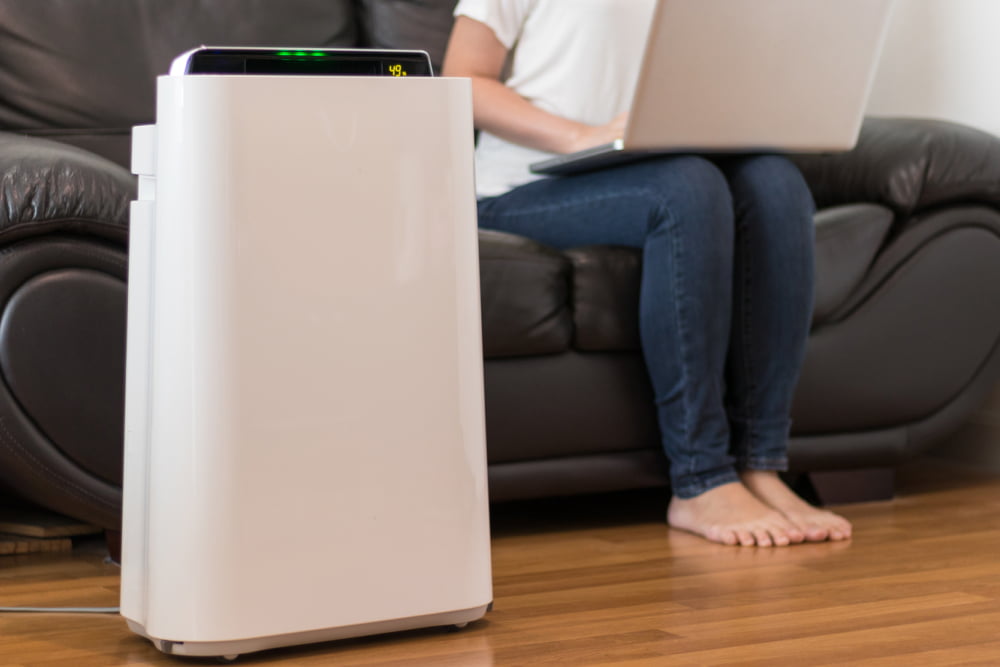
Ideally, an air purifier should be equipped with a built-in sensor that measures the overall air quality and provides a reading. Suppose one can easily gauge the air quality in real-time while the air purifier is on. In that case, it is easier to identify whether the purifier works optimally and needs any repair or servicing.

Going for ionizing and UV-C purifiers
Ionizing and UV-C purifiers produce ozone, which purifies the air. While ozone is effective in this task, it can aggravate respiratory problems. Children and infants are primarily susceptible to the harmful effects of ozone. Also, long-term exposure to ozone can trigger several health problems, so it is important to opt for ozone-free air purifiers.
Latest Articles

4 hair styling tools that give a salon-like look
Beauty

4 hair styling tools that give a salon-like look

If you like to style your hair frequently without having to spend money at salons, you can invest in some basic hair styling tools. These tools can create beach waves or curls or even straighten them out. There are many hair styling tools that are versatile, easy to use, and do little or no damage to your hair. If you want to invest in hair styling tools, here are a few tools to check out: Hair straightener and curler Combining a hair straightener and curler that is suitable for all hair types allows you the freedom to try out trending hairstyles. Look for a professional straightener or curler with a ceramic or copper flat iron. Choose a flat iron that allows you to control the temperature so that you don’t damage your hair. Experts claim that setting the straightener or curler to temperatures as high as 455 degrees can help straighten the most challenging and rigid curls. The copper ceramic tools also ensure that the hair doesn’t break while you are straightening, leaving your hair straight and smooth once you are done. You can also choose regular and smart Bluetooth straighteners to help you choose the best temperature and care settings every time you use the tool. Hot air brush Hot air brushes combine a hairbrush with a flat iron and blow dryer. Choose the desired heat setting and gently brush your damp hair. It is essential to remember a hot air brush cannot be used on wet hair or right after your shower; your hair needs to be dry by at least 80%. It works well with mildly damp hair. The bristles in the hairbrush guide your hair, and the heated plates smooth and polish it. You no longer need to use a hair dryer to dry your hair after a shower and then use a straightener.
8 effective remedies for nasal polyps
Health

8 effective remedies for nasal polyps

Nasal polyps are tiny tear-shaped growths in the nose and sinuses, usually brought on by asthma, infection, allergies, or other kinds of inflammation. These polyps are usually painless and non-cancerous, however, they can be big enough to cause itchiness, breathing difficulties, sneezing, and running nose. Doctors usually prescribe nasal sprays that can relieve the symptoms and get rid of the polyps. However, one can also try a few natural remedies to deal with the condition: Neti pot (or nasal irrigation) Neti pot is a popular and convenient nasal irrigation device. All one has to do is fill this container with saline solution or add 1–2 tsp salt to distilled water or boiled (and then cooled) tap water. Then, one would have to lean over a washbasin or a sink and tilt their head sideways so that the liquid does not flow back into the mouth. One would have to breathe through the mouth, insert the spout into the upper nostril and allow the fluid to drain from the lower nostril. Then the nostrils will have to be cleaned by blowing the nose to remove mucus and dirt. This process should be repeated through the other nostril. The goal is to loosen and clear the mucus and debris like dust or pollen from the nasal cavity. Using a neti pot twice a day can help improve symptoms of nasal polyps. The container and hands have to be clean and dry to prevent infection. Steam inhalation In the absence of a nasal irrigation device, one can use steam to relieve nasal congestion, headaches, and other symptoms. People can boil some water in a pot or dish, place it on a counter or the dining table right in front of them as they sit in a comfortable position, and inhale the steam for a while.
4 foods that are surprisingly bad foods for diabetics
Health

4 foods that are surprisingly bad foods for diabetics

Many foods are portrayed to be the best for diabetics, but it would be surprising to know that even wholesome foods could cause a spike in sugar levels if the portion size is not moderated. Food choices truly matter when a person has diabetes. Under normal circumstances, one would think that these foods aid in better health and maintain sugar levels, but they don’t. Here are four surprisingly bad foods for those with diabetes: Brown rice While brown rice certainly has more fiber than white rice, a single cup of brown rice contains nearly 50 grams of carbohydrates. This can easily be broken into glucose which could spike the sugar levels. The alternative would be to cut down on rice and add more green leafy vegetables. Fresh fruit juice It does not matter if one opts for seasonal juice or those that claim that they have no extra sugar added. If we take an orange as fruit and look at its nutrient content, it has about 15 grams of carbohydrates, vitamins, and fiber. An orange juice, on the contrary, has 45 grams of carbohydrates and less of other nutrients. Therefore, drinking juice is not the same thing as eating fruit.   Dried fruits If one thinks having a raisin is healthier than a chocolate cookie, think again. Raisins contain 1 gram of carb more than what is available in a chocolate cookie. That said, they are undoubtedly wholesome compared to a cookie. However, both of them would result in a spike in blood sugar. The same holds good for cranberries and apricots. Yogurt Yogurt offers a plethora of health benefits, including probiotics for gut health. However, they are heavily processed and contain a wallop of 30 grams of sugar, even in the best of the brands. Ensure to read the ingredient before buying one.