8 foods to eat and avoid for macular degeneration
Macular degeneration or age-related macular degeneration (AMD) is an eye disease that causes the central vision to blur. The macula controls straight-ahead vision and can deteriorate with age. AMD is common in the country, with over 11 million adults suffering from it. There is dry and wet macular degeneration, wherein the latter is more dangerous as it can lead to vision loss. Discover which foods help improve eye health and which ones exacerbate the deterioration:
Foods to eat for macular degeneration
Vitamin A-rich foods
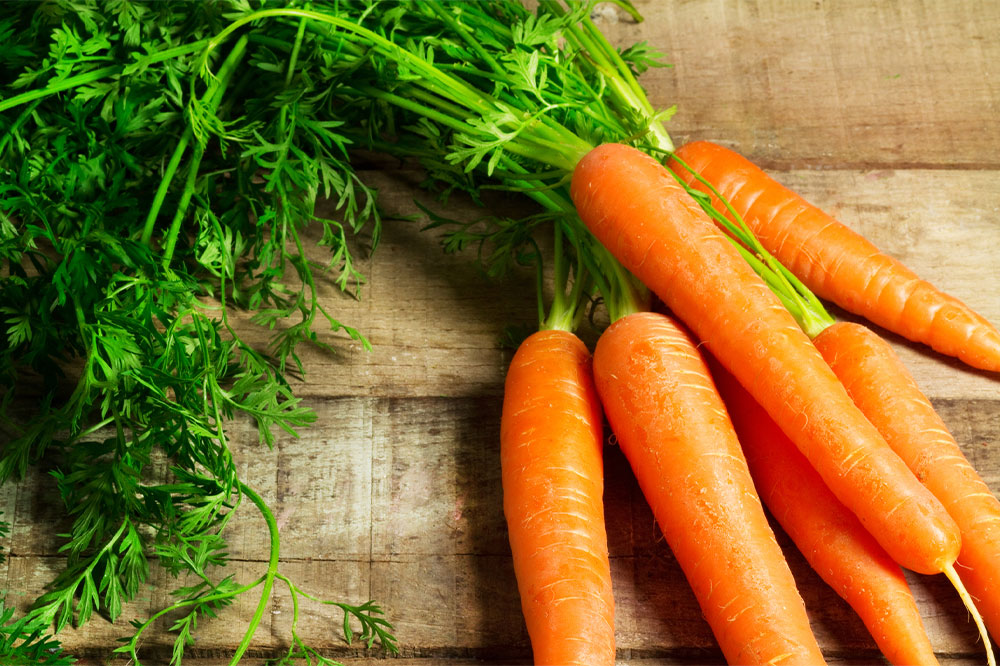
Vitamin A is a fat-soluble vitamin crucial for the immune system, reproduction, growth and development, and normal vision. Lutein and zeaxanthin are two carotenoids, which are powerful antioxidants in the retina’s macular region that help the eyes filter out harmful blue light. Unfortunately, the human body cannot produce these nutrients, so you need to consume them via your meals. Foods like kale, spinach, collard, and turnip greens are rich in lutein and zeaxanthin. Eggs, particularly the yolk, are rich in this combination of macular pigments. Your body requires fats to absorb these vitamins, so consider including olive oil and fish like salmon while consuming these vegetables.
Vitamin D
The best source of vitamin D is the sun. Regardless, it is possible to get this vital nourishment through your food plans. You can increase your vitamin D content by eating fatty fish like cod, tuna, salmon, and eggs and fortified foods like milk, cereals, and orange juice. Vitamin D is not just an antioxidant but also has anti-inflammatory and anti-angiogenic properties. It inhibits the growth of new blood vessels that causes problems in Wet AMD.
Coffee
While monitoring the coffee intake is recommended by many experts, its health benefits are often neglected. Caffeine can protect against both cognitive degeneration and macular degeneration. A 2016 Portuguese study shows that caffeinated drinks, popular in the region of study, seem to supplement the benefits of the Mediterranean diet and offer protection against this eye disease. Macular degeneration is less common in individuals who drink as little as a single espresso shot daily. The antioxidants in coffee produce a protective effect on the macula.
Zinc
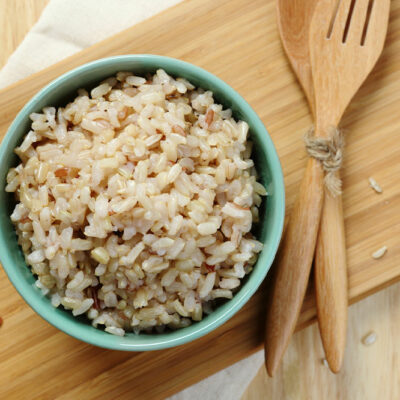
Minerals like zinc, magnesium, and selenium are all good for overall well-being. Zinc, in particular, has a solid connection to helping prevent macular degeneration. This mineral helps deliver vitamin A from the liver to the retina and enables the production of melanin. Zinc deficiency is associated with poor night vision, cataracts, and AMD. Oysters, red meat, beans, whole grains, and most dairy products have the nutrient and should be incorporated as part of the meal plans. Zinc supplements may also be beneficial but remember to take them along with copper supplements since it interferes with copper absorption. Also, you must consume nutrient supplements only with your doctor’s approval.
Omega-3 fatty acid
Fish are rich in omega-3-fatty acid, and this nutrient lowers the risk of developing macular degeneration and also slows its progress. Fatty acids have anti-inflammatory properties, which reduce clogging of arteries in the eyes and rest of the cardio-vascular system. Consider increasing the intake of fish like salmon, sardines, mackerel, herring, and tuna. Omega-3-fatty acid is good for the eyes, especially for people with macular degeneration.
Foods to avoid
Oil
Most foods that cause heart vessels to clog also obstruct blood vessels in the eyes. Tropical oils like palm oil, vegetable shortenings, lard, and margarine all harm the eyes, particularly in people with degenerating macula. So consider switching to olive oil or avocado oil.
Sugar
Sweets and sugary drinks are delectable on the tongue but are not great for the eyes. These foods can cause inflammation and also lead to the production of free radicals, which can further damage the eyes. Sugary and fatty foods are loaded with calories, increasing the risk of excess weight gain, leading to comorbid diseases.
Processed food
Apart from the enjoyable taste, pizza, hamburgers, and donuts share a high trans-fat content. Unfortunately, this is bad for macular degeneration, directly interfering with blood vessels in the eyes and increasing the risk of excess weight gain and cholesterol. Thus, it is best to avoid processed foods or at least reduce the frequency of their intake.
Treatments for the correction of macular degeneration
Lucentis® (ranibizumab injection) improves vision by blocking the vascular endothelial growth factor from inside the eye. While Avastin® is not FDA approved for macular degeneration, it has shown positive results for the condition. It is strongly recommended to talk to your healthcare professional about the same.
Brolucizumab is a single-chain antibody fragment that helps treat vascular macular degeneration. This prescription treatment is usually administered once every 25 to 31 days for the first three doses, and then once every eight to twelve weeks. Eylea® (aflibercept) is another treatment options for wet macular degeneration. It is injected into the eye to block the fluid leakage from abnormal blood vessels in the back of the eye. All of these, however, need to be prescribed by your ophthalmologist. Remember to visit a doctor at the first sign of trouble in your eyes or when you have blurred vision.
Macular degeneration correction is possible to an extent, and some treatments help mitigate this disease. Risk management is also a course of treatment to lower the risk of AMD. Keeping physically active, and consistently eating balanced meals are some ways of keeping macular degeneration at bay. Laser photocoagulation is a treatment option that involves laser surgery to treat AMD. Doctors may also prescribe photodynamic therapy or PDT using a combination of injections and laser therapy to reduce the impact of macular degeneration.