Home - Health - 8 Mistakes New Hearing Aid Owners Must Avoid
8 mistakes new hearing aid owners must avoid

8 mistakes new hearing aid owners must avoid

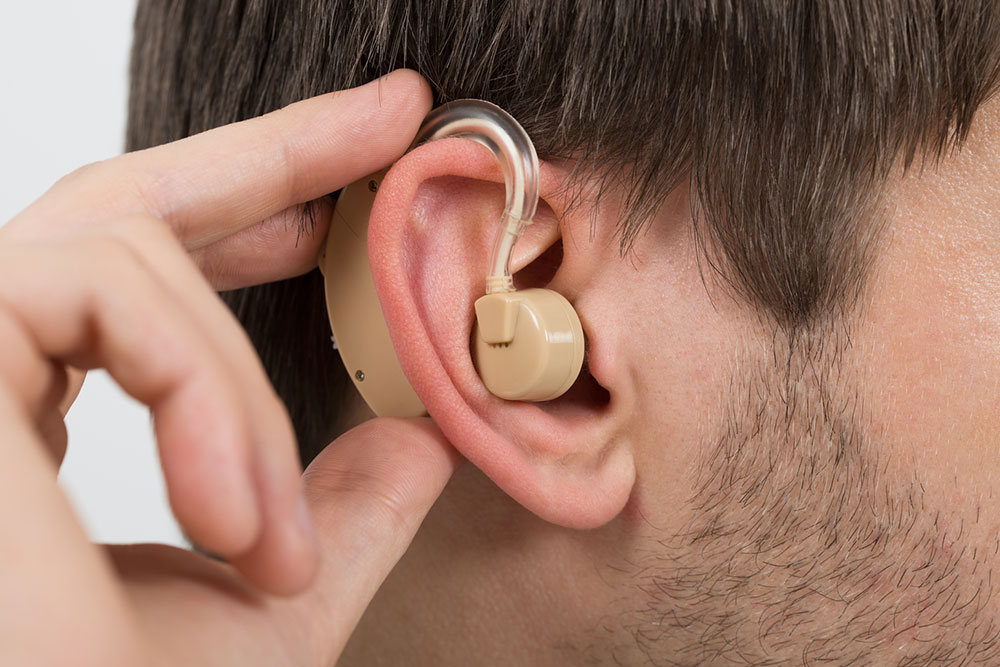
Hearing aids help people with hearing difficulties listen to the sounds around them more clearly. Consequently, they improve a person’s productivity in daily tasks and make life much easier. However, using hearing aids for the first time can be challenging. People often make mistakes when buying and using these devices, reducing their efficiency and leading to several challenges. Below are eight common mistakes new hearing aid owners make and how to avoid them.

Avoiding a proper fitting session
People can buy hearing aids without a prescription, making them more accessible. However, one should still consult an audiologist before purchasing the device. The expert can measure a patient’s ears, assess the nature of their hearing loss, and then suggest the right hearing aid. This approach ensures the device fits one’s ears and is comfortable to wear all day. Skipping the doctor’s visit causes people to be unaware of the nature and extent of their hearing loss. As a result, they are likelier to be unhappy or unsatisfied with their chosen product.

Overlooking new technology
People must research the technology used in hearing aids before buying them. Many new models feature adaptive hearing programs that help users adjust to loud environments better. Some also feature Bluetooth capabilities, facilitating smartphone integration. The features of the hearing aid are listed in the user manual that comes with it. Individuals should read these documents carefully to improve the product’s efficiency.

Ignoring the adjustment period
Those experiencing a decline in hearing may be surprised by the positive change hearing aids bring. However, some users may experience hearing-related fatigue as a result of processing new sounds in the environment. This is normal and takes some time to get used to. To adjust to these changes, one can take the following steps:

Take a break by stepping away from a loud area.
Wear hearing aids for only a few hours initially and progress slowly over time.
Set the TV volume at a medium level.
Begin by talking to one person first and then gradually progress to larger groups.

Forgetting to ask for adjustments
Hearing aids are made up of microphones, amplifiers, and receivers. These components are adjusted depending on one’s hearing test results. The adjustments are a normal part of setting up hearing aids, and one must visit the audiologist for the same. Not adjusting the device can lower its efficiency and lead to other problems in the long run.

Forgoing maintenance
Regular care and maintenance are essential to get the most out of hearing aids. Users must:

Store the hearing aids in a cool, dry place.
Switch the device off when not in use.
Avoid applying hairspray or other hair products when wearing hearing aids.
Avoid taking hearing aids into the shower or pool unless they are waterproof.
Change the wax guards regularly.
Keep the ears clean.
Routinely clean the hearing aids with a cleaning solution and small cotton buds.

Wearing only one hearing aid
Depending on the nature and extent of their hearing problem, individuals may need hearing aids for one or both ears. Not wearing the device as intended may result in improper hearing, adding to anxiety and stress. One can consult an expert to determine whether they need hearing aids for one or both ears and act accordingly.

Not carrying a spare battery
Although the alkaline batteries in hearing aids have a long-lasting life, one can never tell when they might run out. To avoid this stressful situation, experts advise carrying a spare battery that is compatible with the device. If someone uses a model with rechargeable batteries, they must consider carrying a charger as well. Alternatively, individuals can opt for modern hearing aids that offer a low-battery warning in advance.

Using volume control frequently
Most hearing aids have volume control buttons. New users must learn to use these buttons properly, as incorrect usage could worsen hearing loss. If someone feels the need to fiddle with the volume buttons on their hearing aids constantly, it may be a sign that they need a different device. Speaking to an audiologist is advisable if this occurs.

Like with other assisted living devices, people may experience challenges when using hearing aids for the first time. Having patience and communicating with the audiologist may help patients embrace these devices and improve their auditory experience.
Latest Articles

4 hair styling tools that give a salon-like look
Beauty

4 hair styling tools that give a salon-like look

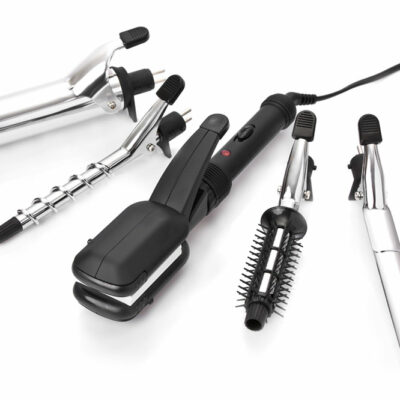
If you like to style your hair frequently without having to spend money at salons, you can invest in some basic hair styling tools. These tools can create beach waves or curls or even straighten them out. There are many hair styling tools that are versatile, easy to use, and do little or no damage to your hair. If you want to invest in hair styling tools, here are a few tools to check out: Hair straightener and curler Combining a hair straightener and curler that is suitable for all hair types allows you the freedom to try out trending hairstyles. Look for a professional straightener or curler with a ceramic or copper flat iron. Choose a flat iron that allows you to control the temperature so that you don’t damage your hair. Experts claim that setting the straightener or curler to temperatures as high as 455 degrees can help straighten the most challenging and rigid curls. The copper ceramic tools also ensure that the hair doesn’t break while you are straightening, leaving your hair straight and smooth once you are done. You can also choose regular and smart Bluetooth straighteners to help you choose the best temperature and care settings every time you use the tool. Hot air brush Hot air brushes combine a hairbrush with a flat iron and blow dryer. Choose the desired heat setting and gently brush your damp hair. It is essential to remember a hot air brush cannot be used on wet hair or right after your shower; your hair needs to be dry by at least 80%. It works well with mildly damp hair. The bristles in the hairbrush guide your hair, and the heated plates smooth and polish it. You no longer need to use a hair dryer to dry your hair after a shower and then use a straightener.
8 effective remedies for nasal polyps
Health

8 effective remedies for nasal polyps

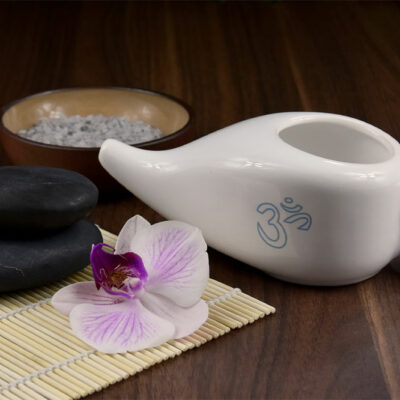
Nasal polyps are tiny tear-shaped growths in the nose and sinuses, usually brought on by asthma, infection, allergies, or other kinds of inflammation. These polyps are usually painless and non-cancerous, however, they can be big enough to cause itchiness, breathing difficulties, sneezing, and running nose. Doctors usually prescribe nasal sprays that can relieve the symptoms and get rid of the polyps. However, one can also try a few natural remedies to deal with the condition: Neti pot (or nasal irrigation) Neti pot is a popular and convenient nasal irrigation device. All one has to do is fill this container with saline solution or add 1–2 tsp salt to distilled water or boiled (and then cooled) tap water. Then, one would have to lean over a washbasin or a sink and tilt their head sideways so that the liquid does not flow back into the mouth. One would have to breathe through the mouth, insert the spout into the upper nostril and allow the fluid to drain from the lower nostril. Then the nostrils will have to be cleaned by blowing the nose to remove mucus and dirt. This process should be repeated through the other nostril. The goal is to loosen and clear the mucus and debris like dust or pollen from the nasal cavity. Using a neti pot twice a day can help improve symptoms of nasal polyps. The container and hands have to be clean and dry to prevent infection. Steam inhalation In the absence of a nasal irrigation device, one can use steam to relieve nasal congestion, headaches, and other symptoms. People can boil some water in a pot or dish, place it on a counter or the dining table right in front of them as they sit in a comfortable position, and inhale the steam for a while.
4 foods that are surprisingly bad foods for diabetics
Health

4 foods that are surprisingly bad foods for diabetics

Many foods are portrayed to be the best for diabetics, but it would be surprising to know that even wholesome foods could cause a spike in sugar levels if the portion size is not moderated. Food choices truly matter when a person has diabetes. Under normal circumstances, one would think that these foods aid in better health and maintain sugar levels, but they don’t. Here are four surprisingly bad foods for those with diabetes: Brown rice While brown rice certainly has more fiber than white rice, a single cup of brown rice contains nearly 50 grams of carbohydrates. This can easily be broken into glucose which could spike the sugar levels. The alternative would be to cut down on rice and add more green leafy vegetables. Fresh fruit juice It does not matter if one opts for seasonal juice or those that claim that they have no extra sugar added. If we take an orange as fruit and look at its nutrient content, it has about 15 grams of carbohydrates, vitamins, and fiber. An orange juice, on the contrary, has 45 grams of carbohydrates and less of other nutrients. Therefore, drinking juice is not the same thing as eating fruit.   Dried fruits If one thinks having a raisin is healthier than a chocolate cookie, think again. Raisins contain 1 gram of carb more than what is available in a chocolate cookie. That said, they are undoubtedly wholesome compared to a cookie. However, both of them would result in a spike in blood sugar. The same holds good for cranberries and apricots. Yogurt Yogurt offers a plethora of health benefits, including probiotics for gut health. However, they are heavily processed and contain a wallop of 30 grams of sugar, even in the best of the brands. Ensure to read the ingredient before buying one.