Home - Health - Common Household Products That Affect Lung Health And Cause COPD
Common household products that affect lung health and cause COPD

Common household products that affect lung health and cause COPD

For a clean and comfortable living environment, individuals often turn to an array of household products. However, many are unaware that some of these seemingly benign items can harbor hidden dangers for respiratory health. Chronic Obstructive Pulmonary Disease (COPD) is a serious condition that can be triggered or even caused by exposure to certain chemicals and irritants commonly found in everyday products. Here are common household items that, when misused, may pose a risk to lung health.

Cleaning products with harsh chemicals
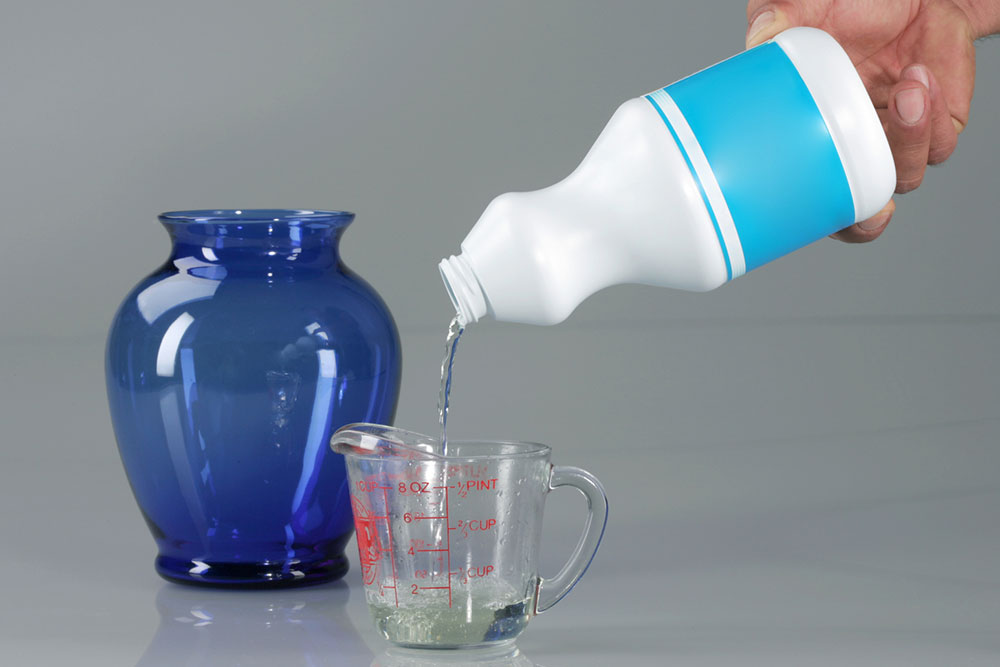
Many household cleaners contain potent chemicals like ammonia, chlorine, and volatile organic compounds (VOCs). Prolonged exposure to these substances, especially in poorly ventilated spaces, can irritate the respiratory system and contribute to the development of COPD over time.

Aerosol sprays and air fresheners
While convenient, aerosol sprays and air fresheners release fine particles and chemicals into the air, potentially irritating the lungs. Continuous inhalation of these substances can lead to respiratory distress and worsen existing COPD symptoms.

Wood-burning stoves and fireplaces
While cozy, wood-burning stoves and fireplaces release fine particulate matter and harmful gasses into the air. Prolonged exposure can lead to respiratory issues and potentially exacerbate COPD symptoms. Proper ventilation and regular maintenance can help mitigate risks.

Scented candles and incense
Scented candles and incense can emit fine particles and synthetic fragrances that, when inhaled, may irritate the respiratory tract. Individuals with COPD should exercise caution when using these products, opting for natural alternatives or avoiding them altogether.

Paints and solvents
Paints, varnishes, and solvents often contain volatile organic compounds (VOCs) that can be harmful when inhaled. Proper ventilation and using low-VOC or VOC-free alternatives can help minimize the risk to lung health.

Pesticides and insecticides
Many household pest control products contain chemicals that can be harmful when inhaled. It’s important to follow usage instructions carefully. Opt for natural or non-toxic alternatives to protect respiratory health and the environment.

Mold and mildew cleaners
Mold and mildew cleaners often contain harsh chemicals like bleach. While it is effective in combating mold, improper use or inadequate ventilation can lead to respiratory irritation. Therefore, it is important to follow necessary caution while using these products.

Pet dander and hair
While not a product in the traditional sense, pet dander and hair can be significant triggers for individuals with COPD. Proper pet grooming, regular cleaning, and using air purifiers can help reduce exposure to these allergens.

Household dust and allergens
Dust mites, pollen, and other allergens commonly found in households can exacerbate respiratory conditions like COPD. Regular cleaning, using allergen-proof covers on bedding, and maintaining a clean indoor environment are essential.

Carpet and upholstery cleaners
Cleaning products designed for carpets and upholstery can release fine particles and chemicals into the air. Those with COPD should opt for products labeled as low-VOC and ensure proper ventilation during and after cleaning.

Gas-powered appliances (stoves, heaters)
Improperly ventilated gas-powered appliances can release carbon monoxide and other harmful gasses. These substances can lead to respiratory distress and exacerbate COPD symptoms. Regular maintenance and adequate ventilation are crucial for safe use.

Old or musty books and paper products
Older books and paper products can harbor mold spores and dust, which can be harmful when inhaled. Proper storage, ventilation, and regular cleaning of bookshelves can help mitigate this risk.

Sewing and craft supplies
Certain craft supplies, like glues, paints, and adhesives, can emit harmful fumes and VOCs. Using these products in a well-ventilated area and wearing protective equipment can help minimize respiratory risks.

Dryer sheets and fabric softeners
While they add a pleasant scent to laundry, dryer sheets, and fabric softeners can release VOCs and other chemicals into the air. Individuals with COPD may opt for fragrance-free alternatives or natural alternatives like wool dryer balls.

Nail polish and remover
Nail products often contain chemicals like acetone and toluene, which can release fumes that irritate the respiratory system. Using these products in a well-ventilated area is crucial for minimizing respiratory risks.

Bug bombs and foggers
These pest control products release a high concentration of pesticides into the air. The inhalation of these chemicals can be harmful to respiratory health and may trigger existing lung conditions like COPD.

Being aware of potential respiratory hazards in everyday household products is crucial for maintaining lung health and preventing conditions like COPD. By understanding and minimizing exposure to these common items, individuals can take proactive steps toward creating a safer and healthier living environment for themselves and their loved ones.
Latest Articles

4 hair styling tools that give a salon-like look
Beauty

4 hair styling tools that give a salon-like look

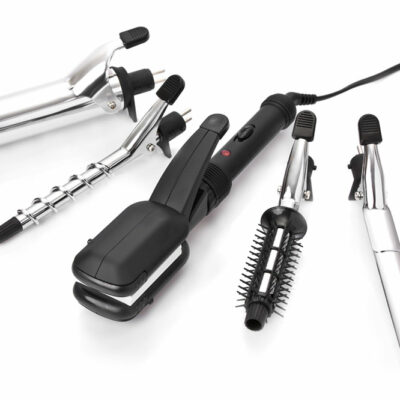
If you like to style your hair frequently without having to spend money at salons, you can invest in some basic hair styling tools. These tools can create beach waves or curls or even straighten them out. There are many hair styling tools that are versatile, easy to use, and do little or no damage to your hair. If you want to invest in hair styling tools, here are a few tools to check out: Hair straightener and curler Combining a hair straightener and curler that is suitable for all hair types allows you the freedom to try out trending hairstyles. Look for a professional straightener or curler with a ceramic or copper flat iron. Choose a flat iron that allows you to control the temperature so that you don’t damage your hair. Experts claim that setting the straightener or curler to temperatures as high as 455 degrees can help straighten the most challenging and rigid curls. The copper ceramic tools also ensure that the hair doesn’t break while you are straightening, leaving your hair straight and smooth once you are done. You can also choose regular and smart Bluetooth straighteners to help you choose the best temperature and care settings every time you use the tool. Hot air brush Hot air brushes combine a hairbrush with a flat iron and blow dryer. Choose the desired heat setting and gently brush your damp hair. It is essential to remember a hot air brush cannot be used on wet hair or right after your shower; your hair needs to be dry by at least 80%. It works well with mildly damp hair. The bristles in the hairbrush guide your hair, and the heated plates smooth and polish it. You no longer need to use a hair dryer to dry your hair after a shower and then use a straightener.
8 effective remedies for nasal polyps
Health

8 effective remedies for nasal polyps

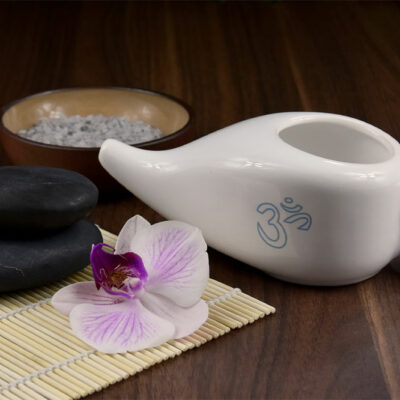
Nasal polyps are tiny tear-shaped growths in the nose and sinuses, usually brought on by asthma, infection, allergies, or other kinds of inflammation. These polyps are usually painless and non-cancerous, however, they can be big enough to cause itchiness, breathing difficulties, sneezing, and running nose. Doctors usually prescribe nasal sprays that can relieve the symptoms and get rid of the polyps. However, one can also try a few natural remedies to deal with the condition: Neti pot (or nasal irrigation) Neti pot is a popular and convenient nasal irrigation device. All one has to do is fill this container with saline solution or add 1–2 tsp salt to distilled water or boiled (and then cooled) tap water. Then, one would have to lean over a washbasin or a sink and tilt their head sideways so that the liquid does not flow back into the mouth. One would have to breathe through the mouth, insert the spout into the upper nostril and allow the fluid to drain from the lower nostril. Then the nostrils will have to be cleaned by blowing the nose to remove mucus and dirt. This process should be repeated through the other nostril. The goal is to loosen and clear the mucus and debris like dust or pollen from the nasal cavity. Using a neti pot twice a day can help improve symptoms of nasal polyps. The container and hands have to be clean and dry to prevent infection. Steam inhalation In the absence of a nasal irrigation device, one can use steam to relieve nasal congestion, headaches, and other symptoms. People can boil some water in a pot or dish, place it on a counter or the dining table right in front of them as they sit in a comfortable position, and inhale the steam for a while.
4 foods that are surprisingly bad foods for diabetics
Health

4 foods that are surprisingly bad foods for diabetics

Many foods are portrayed to be the best for diabetics, but it would be surprising to know that even wholesome foods could cause a spike in sugar levels if the portion size is not moderated. Food choices truly matter when a person has diabetes. Under normal circumstances, one would think that these foods aid in better health and maintain sugar levels, but they don’t. Here are four surprisingly bad foods for those with diabetes: Brown rice While brown rice certainly has more fiber than white rice, a single cup of brown rice contains nearly 50 grams of carbohydrates. This can easily be broken into glucose which could spike the sugar levels. The alternative would be to cut down on rice and add more green leafy vegetables. Fresh fruit juice It does not matter if one opts for seasonal juice or those that claim that they have no extra sugar added. If we take an orange as fruit and look at its nutrient content, it has about 15 grams of carbohydrates, vitamins, and fiber. An orange juice, on the contrary, has 45 grams of carbohydrates and less of other nutrients. Therefore, drinking juice is not the same thing as eating fruit.   Dried fruits If one thinks having a raisin is healthier than a chocolate cookie, think again. Raisins contain 1 gram of carb more than what is available in a chocolate cookie. That said, they are undoubtedly wholesome compared to a cookie. However, both of them would result in a spike in blood sugar. The same holds good for cranberries and apricots. Yogurt Yogurt offers a plethora of health benefits, including probiotics for gut health. However, they are heavily processed and contain a wallop of 30 grams of sugar, even in the best of the brands. Ensure to read the ingredient before buying one.