Eczema – Early Signs and Home Remedies
Eczema, also known as atopic dermatitis, is a prevalent skin disease affecting over 30 million people in our country. It can affect anyone regardless of age and lead to a host of uncomfortable symptoms. Exposure to irritants or allergens and an overactive immune system are the primary triggers of the condition. This article discusses some common early signs of eczema and home remedies to help prevent flare-ups and keep the symptoms in check.
Early warning signs of eczema
This health condition causes several signs that are easy to identify. Do not delay a visit to the doctor if you develop chills and fever along with the following signs, as it may demand more intensive care:
Burning or itching skin
Before you notice any physical signs on the skin, eczema might trigger pain, itching, or burning. At times, the skin might also feel prickly. This is usually followed by the appearance of blisters or boils on the skin.
Boils
Boils or furuncles are tender, raised, red bumps on the skin’s surface. They usually surround hair follicles and sometimes break open and release fluid. Often, fungal infections are responsible for furuncles, but bacterial infections like staph might also be the reason. The staph bacteria causes crust-covered lesions. You can get relief from boils by using doctor-recommended treatments, creams, or ointments.
Fluid-filled and itchy blisters
Eczema might lead to fluid-filled blisters on one or more areas, including the feet, fingers, or palms. The skin might feel intensely painful or itchy in the areas where blisters develop. In some people, blisters develop in groups, covering a larger area. Red, itchy rashes are another prevalent sign of eczema, which usually precede blisters.
Skin infection
Scratching the itchy blisters might result in a skin infection. It happens because the scratching opens the blisters, allowing germs to enter. Some common skin infection signs include yellow crusting, redness, and swelling on the blister spot. Cellulitis is an example of a severe form of skin infection that can develop with eczema. Eczema can also lead to broken and weak skin, which is likely to become infected for reasons other than scratching a blister.
Dry skin
The skin might feel tight and dry even before it causes itching or redness. Dryness implies that the moisture from the skin is escaping quickly through the microscopic cracks on the skin’s surface. A leaky skin barrier cannot defend the body from allergens and irritants, triggering an inflammatory response and resulting in rashes, scaling, and redness. So, moisturize your skin all the time, not merely during the flare.
Eczema and food allergies go hand in hand. Studies suggest that 15 percent of children and babies with eczema also suffer from food allergies. These allergies might induce symptoms that demand immediate addressing, such as rash or hives, an itchy mouth, swelling of the lips and mouth, and GI issues like stomach cramps, vomiting, and diarrhea. Parents should consult a health expert immediately if their child develops either of these symptoms, as food allergies might need additional vigilance and management.
Home remedies for eczema
Treatment might be necessary to manage the condition if you often have severe eczema flare-ups. However, while there are many treatment options, they can leave your skin irritated and drier. Thankfully, home remedies soothe itchy, red skin naturally. Below we will address a few such popular eczema home remedies:
Evening primrose oil
Evening primrose oil, derived from the primrose plant, can be applied to the skin to soothe irritation. The oil has gamma-linolenic acid and omega-6 fatty acids that help prevent inflammation in the body. It can also offer relief from other early signs of eczema.
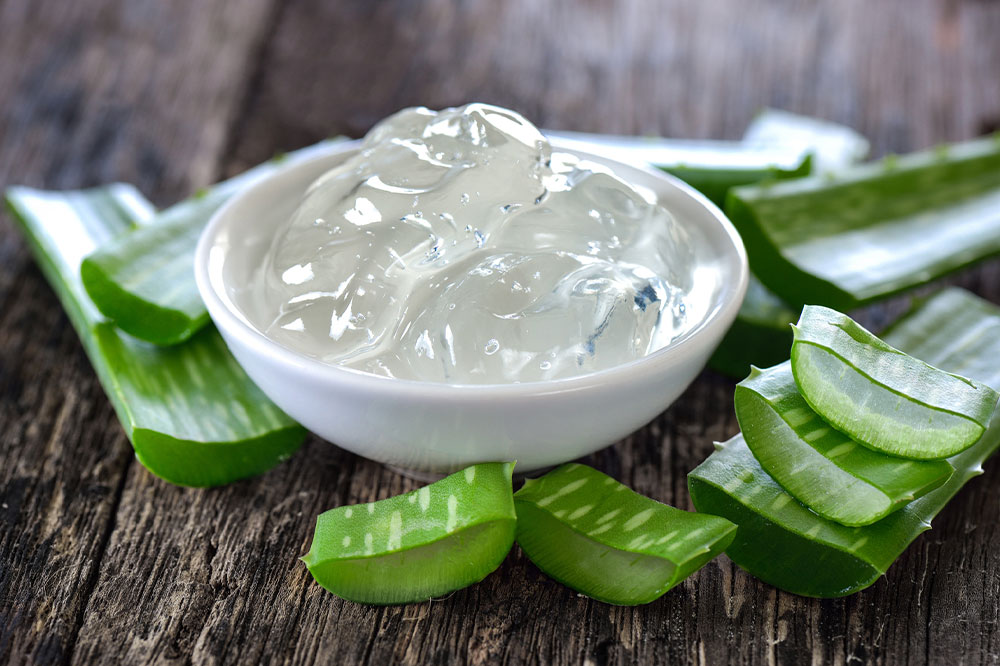
Aloe vera gel
Aloe vera gel that comes from the leaves of the aloe plant has long helped cure several ailments, including eczema. The gel has antimicrobial and antibacterial properties, which can help soothe wounds and broken skin and promote healing. You can also use aloe vera gel to avoid skin infections that might develop with cracked or dry skin.
Honey
Honey has anti-inflammatory, antibacterial, antiviral, and antifungal properties, making it a helpful eczema home remedy. It is a humectant that hydrates the skin and helps soothe the wounds by maintaining a moist wound environment. Further, honey also forms a protective barrier when applied to the skin, which helps keep eczema infections at bay.
Petroleum jelly
Petroleum jelly is a staple moisturizer that helps keep eczema in check. It moisturizes well and does not sting or lead to allergies. But apply a thin coat on the damp skin initially and ensure it does not grease your clothes.
Sunflower oil
The oil from sunflower seeds does an excellent job guarding the skin’s outer layer by keeping bacteria out. Sunflower oil also reduces inflammation, redness, and itching and moisturizes the skin. You can apply it undiluted, directly onto the skin, especially after bathing when the skin is slightly damp.
Colloidal oatmeal
Colloidal oatmeal works wonders for softening and smoothening inflamed skin. Fortunately, it is easy to make colloidal oatmeal with finely-ground oats, and you can also find it in powder or cream form on the market. To use this eczema home remedy, add the colloidal oatmeal powder to lukewarm bathwater and let it sit for 10-15 minutes before bathing. Once you finish bathing, pat dry your skin and finish with a thick layer of hypoallergenic moisturizer with good oil content. This home remedy can help reduce itching and soothe rough skin.
Cold compress
Placing a wet, cool washcloth onto inflamed skin can ease itching and pain. But do not forget to run a fragrance-free moisturizer onto the skin after a cool compress. Also, ensure the washcloth is clean, as dirt can worsen skin irritation and lead to infection.