
Home - Health - Effective Tips That Help Manage Asthma Symptoms
Effective tips that help manage asthma symptoms

Effective tips that help manage asthma symptoms

Asthma is characterized by respiratory problems that cause narrowing and swelling of the airways, making breathing feel labored. Chest pain, shortness of breath, wheezing, and irregular sleeping patterns are common symptoms. The cold and cough mainly trigger attacks, which cause excess mucus formation. According to the WHO, around 262 million people in 2019 were affected by asthma. This article shares the effective treatment options, meal plans, lifestyle changes, and tips to manage asthma:

Treatment options
The symptoms of asthma can be managed with the help of effective treatment options, such as

  • Tezepelumab
    This treatment option is a human monoclonal antibody that blocks the activity of thymic stromal lymphopoietin (TSLP), a cytokine responsible for the inflammatory response. Tezepelumab is known to reduce annualized asthma exacerbation rate in severe asthmatic patients.
  • FASENRA
    Severe cases of eosinophilic asthma are treated with this prescribed option. FASENRA targets the eosinophils, which helps patients breathe easier and reduces the frequency of asthma attacks.
  • NUCALA
    NUCALA contains mepolizumab, an intravenously administered treatment for patients with severe eosinophilic asthma. This prescription targets the eosinophils in the bloodstream that are responsible for causing flare-ups.
  • XOLAIR®
    This prescription option works against Immunoglobulin E (IgE), which is the main culprit of allergic reactions that trigger asthma. XOLAIR is used for moderate to severe asthma in people six years or above.
  • ZYRTEC ®
    ZYRTEC helps stop the immune response to allergy triggers, and it’s used for treating mild to moderate asthma. This option provides relief from symptoms like watery eyes, runny nose, sneezing, and itchy nose or throat.


Foods to eat
Any illness is fought with a combination of treatment options and a healthy food regime. In this case, we must focus on foods that enhance the function of the lungs. Spinach, lettuce, radish, parsley, rocket, and beetroot are all high in nitrate, which helps optimize the function of the lungs. These foods help increase the oxygen levels and let the organs perform at their best. Vitamin-C-rich foods like oranges, bell peppers, and lime help restore your immune system, keeping common triggers of asthma at bay. Garlic, ginger, tomatoes, olive oil, and leafy greens are rich sources of anti-inflammatory properties that help provide relief to asthma symptoms.

Foods to avoid

Cabbage, legumes, wheat, and lentils, cause bloating and acidity. These foods can put more pressure on the airways, causing them to narrow even further. Other foods that must be avoided include soy, peanuts, tree nuts, shrimp, and other shellfish, as these can easily trigger allergies even among normal patients. Those with asthma need to be extra careful about their food choices and eliminate triggers.

Lifestyle changes
Along with the treatments and nutritional choices mentioned above, here are a few daily habits that can help people with asthma:

Regular exercise
Practicing yoga, mild exercises, and meditation can be significantly rewarding for asthma patients. These activities can help improve breathing capacity and gradually help expand the airways. Better breathing patterns imply that the body receives optimal levels of oxygen, elevating the function of all organs. Meditation helps relieve stress and anxiety, which is crucial for those with asthma patients as such factors can contribute to a feeling of restlessness, difficulty breathing, and chest tightness. These symptoms can trigger an asthma attack or worsen the symptoms of asthma.

Protection from triggers
Anything that involves the sensation of the nose can trigger an asthma attack. It would be ideal for asthma patients to know their triggers and take the necessary preventive steps. The most common triggers include dust mites, perfumes, molds, fur from pets, and pollen. Keep a mask handy while stepping out during pollen season, and if you’re an outdoor enthusiast, it’s best to step out after the rains. The dust and pollens settle on the surface instead of freely swaying the way the wind sways. During a high pollen season, asthma patients can mouth covers, masks, or wraps to protect themselves from irritants.

Using a humidifier
People staying in a region with dry air will face respiratory issues like an inflamed windpipe and a dry mouth and throat. The lack of moisture in the air can irritate an asthma patient even more and may pose a higher risk of contracting a cold and cough. Besides, the dry air doesn’t let the inflamed windpipe and a sore throat heal fast enough. In that case, an effective humidifier would be the best investment.

Having more steam baths and hot beverages
Some quick home remedies asthma patients can effectively use in their daily lives. Taking a steam bath more often helps release mucus and congestion, keeping one of the most common asthma triggers at bay. A cup of herbal tea like ginger, rosemary, peppermint, or chamomile tea right before bed can help release the accumulated congestion and clear the windpipe for a better airflow. Such habits practice can help asthma patients breathe easier, resulting in a peaceful night’s sleep.

Keeping a condition like asthma under control is crucial. The treatments, nutritional choices, and lifestyle changes discussed above will help protect one from the symptoms and help build a tolerance toward environmental factors that usually come into play.
Latest Articles

4 hair styling tools that give a salon-like look
Beauty

4 hair styling tools that give a salon-like look

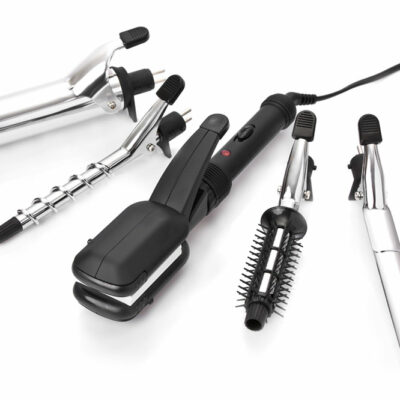
If you like to style your hair frequently without having to spend money at salons, you can invest in some basic hair styling tools. These tools can create beach waves or curls or even straighten them out. There are many hair styling tools that are versatile, easy to use, and do little or no damage to your hair. If you want to invest in hair styling tools, here are a few tools to check out: Hair straightener and curler Combining a hair straightener and curler that is suitable for all hair types allows you the freedom to try out trending hairstyles. Look for a professional straightener or curler with a ceramic or copper flat iron. Choose a flat iron that allows you to control the temperature so that you don’t damage your hair. Experts claim that setting the straightener or curler to temperatures as high as 455 degrees can help straighten the most challenging and rigid curls. The copper ceramic tools also ensure that the hair doesn’t break while you are straightening, leaving your hair straight and smooth once you are done. You can also choose regular and smart Bluetooth straighteners to help you choose the best temperature and care settings every time you use the tool. Hot air brush Hot air brushes combine a hairbrush with a flat iron and blow dryer. Choose the desired heat setting and gently brush your damp hair. It is essential to remember a hot air brush cannot be used on wet hair or right after your shower; your hair needs to be dry by at least 80%. It works well with mildly damp hair. The bristles in the hairbrush guide your hair, and the heated plates smooth and polish it. You no longer need to use a hair dryer to dry your hair after a shower and then use a straightener.
8 effective remedies for nasal polyps
Health

8 effective remedies for nasal polyps

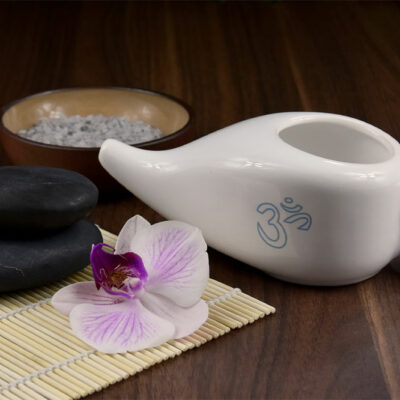
Nasal polyps are tiny tear-shaped growths in the nose and sinuses, usually brought on by asthma, infection, allergies, or other kinds of inflammation. These polyps are usually painless and non-cancerous, however, they can be big enough to cause itchiness, breathing difficulties, sneezing, and running nose. Doctors usually prescribe nasal sprays that can relieve the symptoms and get rid of the polyps. However, one can also try a few natural remedies to deal with the condition: Neti pot (or nasal irrigation) Neti pot is a popular and convenient nasal irrigation device. All one has to do is fill this container with saline solution or add 1–2 tsp salt to distilled water or boiled (and then cooled) tap water. Then, one would have to lean over a washbasin or a sink and tilt their head sideways so that the liquid does not flow back into the mouth. One would have to breathe through the mouth, insert the spout into the upper nostril and allow the fluid to drain from the lower nostril. Then the nostrils will have to be cleaned by blowing the nose to remove mucus and dirt. This process should be repeated through the other nostril. The goal is to loosen and clear the mucus and debris like dust or pollen from the nasal cavity. Using a neti pot twice a day can help improve symptoms of nasal polyps. The container and hands have to be clean and dry to prevent infection. Steam inhalation In the absence of a nasal irrigation device, one can use steam to relieve nasal congestion, headaches, and other symptoms. People can boil some water in a pot or dish, place it on a counter or the dining table right in front of them as they sit in a comfortable position, and inhale the steam for a while.
4 foods that are surprisingly bad foods for diabetics
Health

4 foods that are surprisingly bad foods for diabetics

Many foods are portrayed to be the best for diabetics, but it would be surprising to know that even wholesome foods could cause a spike in sugar levels if the portion size is not moderated. Food choices truly matter when a person has diabetes. Under normal circumstances, one would think that these foods aid in better health and maintain sugar levels, but they don’t. Here are four surprisingly bad foods for those with diabetes: Brown rice While brown rice certainly has more fiber than white rice, a single cup of brown rice contains nearly 50 grams of carbohydrates. This can easily be broken into glucose which could spike the sugar levels. The alternative would be to cut down on rice and add more green leafy vegetables. Fresh fruit juice It does not matter if one opts for seasonal juice or those that claim that they have no extra sugar added. If we take an orange as fruit and look at its nutrient content, it has about 15 grams of carbohydrates, vitamins, and fiber. An orange juice, on the contrary, has 45 grams of carbohydrates and less of other nutrients. Therefore, drinking juice is not the same thing as eating fruit.   Dried fruits If one thinks having a raisin is healthier than a chocolate cookie, think again. Raisins contain 1 gram of carb more than what is available in a chocolate cookie. That said, they are undoubtedly wholesome compared to a cookie. However, both of them would result in a spike in blood sugar. The same holds good for cranberries and apricots. Yogurt Yogurt offers a plethora of health benefits, including probiotics for gut health. However, they are heavily processed and contain a wallop of 30 grams of sugar, even in the best of the brands. Ensure to read the ingredient before buying one.