Foods That Help Manage Eosinophilic Esophagitis
Eosinophilic esophagitis (EoE) is a chronic, allergic inflammatory disease of the esophagus. The esophagus is a tube that carries food and liquids, connecting the throat to the stomach. EoE can happen at any age but is most commonly diagnosed in adults and children. Fortunately, one can keep the symptoms of EoE at bay with the help of certain nutritional changes. Keep reading to learn about how nutritional changes can help manage the condition.
Safe food choices
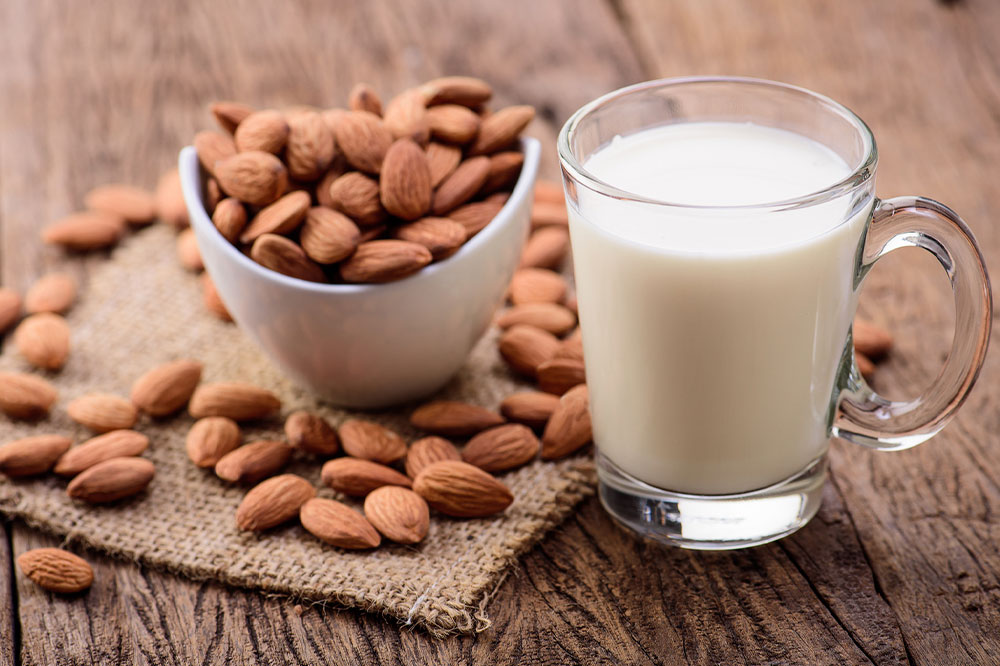
Almond milk
For EoE patients, it is an excellent alternative to cow’s milk. It has fewer allergens than cow’s milk and is also high in vitamin E, which helps reduce inflammation.
Coconut milk
It is a dairy-free and lactose-free alternative to cow’s milk. It is high in monounsaturated fats, believed to help reduce inflammation associated with EoE. Coconut milk is also high in essential vitamins and minerals such as potassium, magnesium, phosphorus, and iron. All these make coconut milk a good source of nutrition for EoE patients.
Quinoa
It is a gluten-free grain that is high in protein and fiber. It has antioxidant properties that help protect cells from damage by free radicals, which can play a role in causing health problems like cancer.
Dairy-free yogurt
It can be an excellent option for those diagnosed with EoE, as it contains fewer allergens than regular dairy yogurt. Additionally, it is a good source of probiotics, which are beneficial for digestive health.
Buckwheat
Buckwheat contains phytonutrients that have anti-inflammatory properties, helping to reduce the severity of symptoms associated with EoE.
Dairy-free cheese
These cheeses are made from plant-based sources and usually are lower in fat and calories than regular cheese.
Millet
Millets are versatile cereal grains containing several amino acids, minerals, and vitamins essential for human health.
Cashew ice cream
It is a delicious and creamy alternative to traditional dairy-based ice cream. It is dairy-free and contains fewer allergens. It is also high in minerals such as magnesium, zinc, and iron, which can help reduce inflammation associated with EoE. Additionally, cashew ice cream is a good source of healthy fats, which can help keep you feeling full longer.
Sorghum
Sorghum is an interesting choice because it’s one of the few sources of carbohydrates that don’t spike blood sugar levels quickly. It also makes it ideal for people seeking to manage their body mass or stay on track with their nutritional goals.
Foods to avoid
One of the most common triggers of EoE is milk. Studies indicate that eliminating milk from the meal plan can reduce eosinophil levels in the esophagus. Common triggers include wheat, soy, eggs, legumes, peanuts, and fish. It is necessary to note that not all EoE patients will react to these foods similarly. Therefore, consulting a doctor or registered nutritional expert is necessary to identify individual triggers. An elimination meal plan, where food items are removed one by one for weeks, will help patients single out the food triggering their condition. However, it is necessary to ensure adequate nutrition intake by eating alternative protein, vitamins, and minerals sources while following an elimination meal plan.
Food allergy and EoE
Food allergy is one of the most common causes of eosinophilic disorders. It is an IgE-mediated (Immunoglobulin E) reaction to a specific food or food component. The term “food allergy” includes both immediate and delayed hypersensitivity reactions. The prevalence of IgE-mediated food allergies has increased over the past few decades, mainly due to the increased intake of foods that contain large amounts of highly allergenic foods, which are difficult to identify without laboratory tests. Since foods triggering EoE can vary significantly among individuals, consulting with a nutritionist can provide official eosinophilic esophagitis information regarding proper food choices for any individual case.
Reintroducing trigger foods into the meal plan
While dealing with eosinophilic esophagitis (EoE), understanding the foods triggering the condition is important. High-risk foods include milk, wheat, and soy, while medium-risk foods include legumes and nuts. However, low-risk foods such as fruits and vegetables should also be considered.
When reintroducing these foods back into one’s meal, it is advised to do so one at a time to check for any reactions. High-risk and medium-risk foods should be added back one at a time, with a few days between each reintroduction. One can add low-risk foods in groups of three or four every five to seven days. It is also important to consider the portions of the foods being added. Start with minimal portions and gradually increase the amount over time. It will help you to identify which foods may be causing any reactions. Stop the reintroduction process and consult a health expert for further instructions if any reactions happen. However, it is important to note that reintroducing food items does not always cause a reaction, but it is always advised to follow the expert guidelines for a safe reintroduction.
Causes
EoE is caused by the presence of white blood cells known as eosinophils, which are typically present in the digestive tract. In EoE patients, these cells accumulate in the esophagus in response to allergens, such as food or pollen, causing inflammation and tissue damage. The accumulation of eosinophils causes them to release a protein called interleukin-5 that triggers a reaction leading to further inflammation, which can lead to scarring, narrowing, and excessive formation of fibrous tissue in the lining of the esophagus. In addition, it can lead to the food particles getting stuck in the esophagus post-swallowing.
Symptoms
Common symptoms of EoE include difficulty swallowing (dysphagia), heartburn, food impaction, vomiting, nausea, and abdominal pain. Symptoms can vary between patients, and diagnosis requires an endoscopy and a biopsy. It can also involve other tests, such as an eosinophil count and an allergy skin test. Treatment typically consists of nutritional changes, eliminating trigger foods, or using prescriptions to lower eosinophil levels.
Complications
Over time, the inflammation associated with EoE can lead to scarring and narrowing of the esophagus, making it difficult to swallow. However, official eosinophilic esophagitis information states that managing your meal plan is vital in keeping this condition at bay.
EoE and thyroid treatment
In some cases, thyroid treatment may be associated with EoE since the condition is associated with autoimmune disorders like Hashimoto’s thyroiditis. Research indicates a possible correlation between the two conditions. Discussing treatment options with a health expert is ideal if you have symptoms of both EoE and thyroid disease. Besides avoiding foods that may trigger the eosinophilic response or aggravate symptoms, EoE thyroid treatment might also involve prescription therapy and surgery.