Foods to Eat and Avoid for Constipation Relief
Eating vegetables, fruits, and seeds can relieve constipation by softening the stool, adding bulk, increasing stool frequency, and lowering the gut transit time. Similarly, some foods can cause constipation. Approximately fourteen percent of people face chronic constipation at some point. By changing certain food habits, one can maintain a healthy body. Here we will discuss some foods that cause constipation and those that ease it.
Foods that help relieve constipation
Prunes
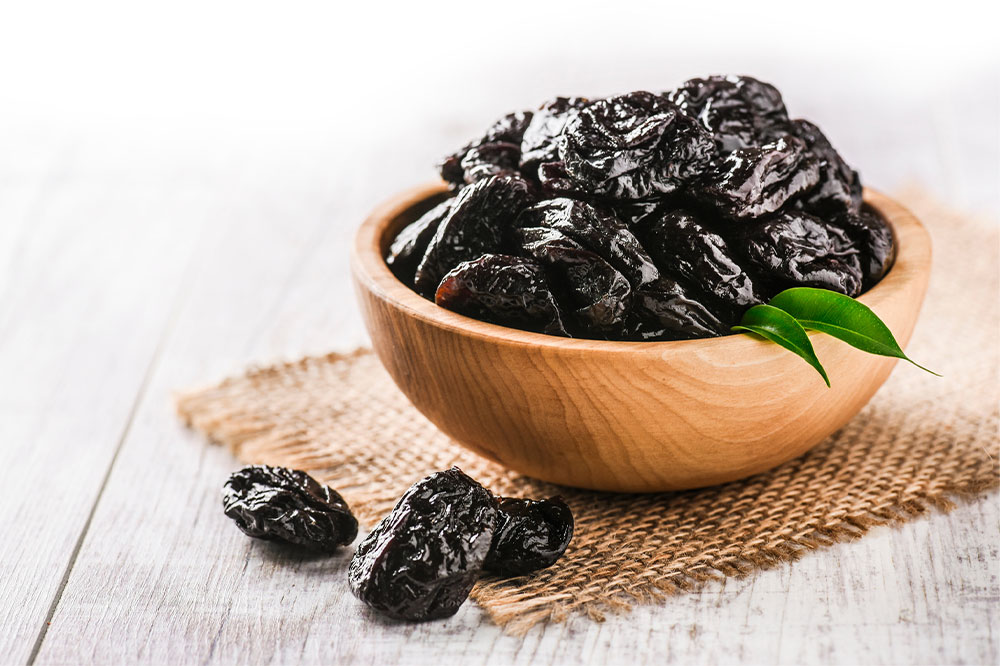
Dried plums or prunes are one of the most popular remedies for constipation. They are rich in fiber. Prune contains an insoluble fiber called cellulose that increases the water content in the stool. It adds to the bulk. Further, the soluble fiber in prunes ferments with the colon to yield short-chain fatty acids that aggravate the stool weight.
Prunes also have sorbitol, a sugar not absorbed in the body. Sorbitol causes water to be pulled into the colon and has a laxative impact. Moreover, prunes also have phenolic compounds that trigger healthy gut bacteria that trigger a laxative impact. You can add prunes to baked goods, oatmeal, cereals, salads, and smoothies, or enjoy them as are.
Flaxseed and olive oil
These have a mild laxative impact and streamline the flow of materials through the intestines. Olive and flaxseed oil also have anti-inflammatory, antibacterial, and antioxidant properties. They also contain compounds that better digestion. A study suggests that the effects of flaxseed and olive oil are comparable to the mineral oil, a laxative that helps cure constipation.
Nuts and seeds
Seeds and nuts are loaded with fiber content and a source of healthy fats like omega-3 fatty acids. They promote eye and heart health. One can easily include nuts and seeds into daily meal plans during constipation. Sprinkle them on hot cereals or salads, or toast or blend the nuts and seeds into smoothies.
Some fiber-rich nuts include:
- Walnuts
- Pecans
- Brazil nuts
- Almonds
- Cashews
A few seeds that can provide relief from constipation include:
- Pumpkin seeds
- Flaxseeds
- Black sesame seeds
- Fennel seeds
- Chia seeds
Sweet potatoes
A baked medium sweet potato with skin has around 3.8 grams of fiber. Hence, it can be an excellent inclusion to relieve constipation. Alternatively, regular baked potatoes with their skin contain 3 grams of fiber, which is also a good pick for constipation. Avoid high-calorie, high-fat toppings like sour cream or butter when having sweet potatoes, as that can worsen the condition. One can include broccoli or other green veggies as toppings to increase the nutrient content of the meal.
Artichokes
The digestive system has enzymes that cannot break down fiber. Hence, fiber is vital to help you stay regular. For example, a cooked artichoke has 10 grams of fiber. The insoluble fiber in them generates a bulking action, which ensures consistent elimination.
Legumes and beans
The protein, fiber, and other plant-based bioactive compounds make legumes and beans the best additions to daily meals. One can have them with salads, curries, or soups for an easy fiber boost in the meals. Some fiber-rich legumes and beans are:
- Soybeans
- Kidney beans
- Black beans
- White beans
- Chickpeas
- Lentils
- Navy beans
- Split beans
Green vegetables
Green veggies like Brussel Sprouts, Cabbage, and Spinach are rich fiber sources. They also have a high vitamin C and folate content. Consequently, they streamline the digestion process by increasing the bulk in the stool. Fiber is roughage that helps the excretory system perform a smooth stool passage. One can include green veggies in daily meals as per one’s taste preference. They can be steamed, boiled, or cooked with other foods. For instance, spinach blends in salads or vegetable soup.
Foods to avoid
Dairy
If you frequently get constipated, it is time you watch what you eat. The two most common foods that hinder the digestive process are milk and cheese in high quantities. Of course, you do not have to eliminate dairy, but lowering its intake and opting for its substitutes can do wonders. Yogurt with probiotics can be a good alternative. It has live bacteria, is good for the digestive system, and offers relief from constipation.
Fried foods
Greasy and fried foods like onion rings, doughnuts, and French fries take more time to digest than the healthier options. Hence, they slow down the process of the digestive tract, opposite of what you wish to feel if you are already constipated. Thus, you must limit their intake.
White rice
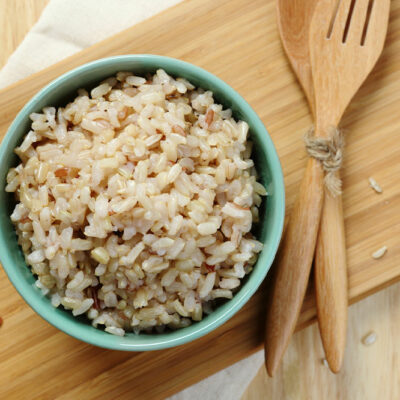
There is a massive difference between white and brown rice. White rice leads to constipation as the bran, husk, and germ have been removed where all the fiber lies. Therefore, the rice is more polishes and processed. On the contrary, brown rice is a good pick for constipation because the germ, bran, and husk are intact.
White flour items
In wheat, maximum gut-healthy fiber has been eliminated. A healthy fiber intake is necessary to maintain bowel function. So, to prevent and ease constipation, you must avoid foods containing white flour, such as:
- Cake
- Pizza dough
- Hamburger buns
- White sandwich bread or rolls
- Cookies
- Flour tortillas
- Bagels
- Saltines or similar crackers
Foods with refined sugar
A sweet dessert can also be one of the reasons for constipation. Cookies, pastries, cupcakes, and other sweet treats contain refined sugar that lacks fluids and fiber and is a high-fat source. It is the worst inclusion in the meals if you already suffer from constipation. You can always reach out to healthier alternatives like yogurt and strawberries to satiate sweet cravings.
Unripe bananas
Interestingly bananas can be a cause or a source of constipation relief depending on how ripe it is. When fully ripe, they have soluble fiber, which helps cure constipation, but green, unripe bananas have highly resistant starch, which can cause constipation.