Foods to Eat With Chronic Kidney Disease
Chronic kidney disease, or CKD, is a health condition in which the kidneys cannot effectively filter waste from the blood, leading to an accumulation of toxins. If left untreated, it can cause serious health complications. While chronic kidney disease can be an onerous burden, it does not have to prevent the patient from living a fulfilling life. Many treatments help manage the symptoms and discomforts, and doctors also recommend a few nutrition and lifestyle changes.
Foods for managing chronic kidney disease
Healthy nutrition is an essential part of managing chronic kidney disease. Certain foods have nutrients that help improve overall kidney health and manage diseases that affect the organ. Below are a few such foods to consider adding to meals:
Low-sodium foods
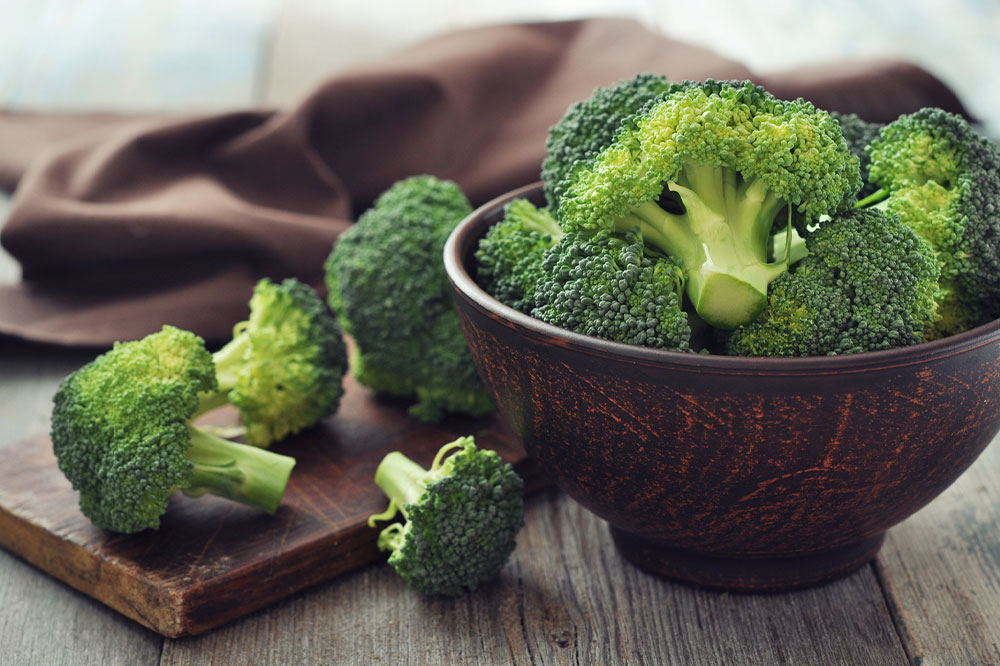
Reducing salt and sodium intake is essential when dealing with chronic kidney disease. Cutting back on salt helps maintain healthy blood pressure, reducing the risk of complications that can arise with this condition. Eating fresh foods like greens, broccoli, and cauliflower is a great way to reduce sodium intake. Besides being low in salt, fresh fruits, vegetables, and lean meats are excellent sources of nutrients and protein. Another way to reduce sodium intake is to avoid canned foods, as they use salt as a preservative. If one cannot do without canned foods, they should drain and rinse them to reduce sodium before eating.
Avoiding salt in home-cooked meals can affect their taste. To avoid this problem, patients can use herbs and spices. Rosemary, basil, garlic, cumin, and oregano are excellent seasonings that are low in sodium but rich in flavor. While saying no to salt can be hard, it can help manage chronic kidney disease in the long run.
Foods with low potassium
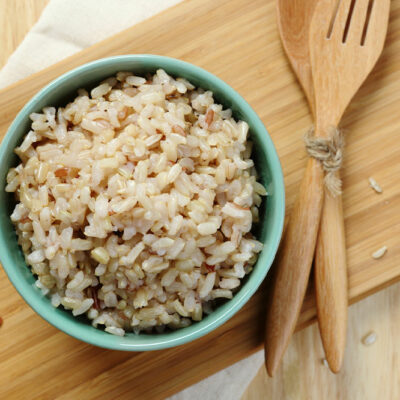
Including low-potassium foods in the meal plan is another critical step in managing chronic kidney disease. It can help control the amount of minerals and waste in the body and regulate blood pressure. Some examples of low-potassium foods are cranberry juice, apples, grapes, peaches, cooked rice, wheat cereals, grits, white bread, and pasta.
When it comes to choosing low-potassium fruits, cranberry is a great option. Cranberry juice has plenty of antioxidants that can reduce inflammation. When had in moderation, it can help keep the kidneys healthy and functioning correctly. Apple is another healthy fruit, rich in vitamin C and fiber and low in potassium. It can help reduce the risk of stroke and other heart-related diseases. Grapes are packed with essential vitamins and minerals and are relatively low in potassium. They can help reduce cholesterol levels and regulate blood pressure. Peaches also have only a tiny amount of potassium and are excellent sources of vitamin C and fiber, suitable to lower cholesterol and inflammation.
Among grains, cooked rice and wheat cereals are suitable. Cooked rice is a good source of fiber and complex carbohydrates and has low potassium levels. If eaten regularly, it can help control blood sugar levels. Wheat cereals are an excellent source of fiber, protein, and other nutrients and are low in potassium, making them healthy when managing chronic kidney disease. White bread, grits, and pasta are also great choices. They have high reserves of complex carbs with little potassium. However, white bread can raise blood sugar, so it is best had in moderation.
Heart-healthy foods
Chronic kidney disease makes the heart work harder, increasing the risk of cardiovascular conditions. Hence, it is advisable to add heart-healthy foods to meals. Fruits and vegetables provide essential vitamins and minerals, while dairy products and whole grains provide protein. These foods can help reduce cholesterol and maintain a healthy blood pressure level.
Leafy greens are best for improving heart function. Spinach, kale, and collard greens are good sources of folate and vitamin K, which can help reduce inflammation. Other nutritious vegetables include sweet potatoes, squash, eggplant, and bell peppers. Apples, oranges, berries, and grapes are excellent picks among fruits. They are a great source of antioxidants, which can help prevent cell damage in different body organs, including the heart. Besides fruits and veggies, experts recommend adding beans to meals. Lentils, black beans, kidney beans, and pinto beans are excellent sources of fiber, protein, and micronutrients like iron and zinc. These properties help lower cholesterol levels.
The role of milk and milk products in supporting heart health cannot be ignored. Milk is a source of calcium and protein. However, one must choose fat-free or low-fat milk over whole milk to prevent high cholesterol. Yogurt is packed with probiotics, which can help maintain a healthy balance of gut bacteria. Cheese is also healthy, but individuals should choose low-fat varieties like cottage cheese and ricotta cheese.
Homemade iced tea
Iced tea is a refreshing and nutritious beverage that can help stay hydrated while managing chronic kidney disease. It contains beneficial antioxidants, such as polyphenols, which have several health benefits. For instance, these antioxidants can reduce inflammation and protect organs against oxidative damage. Homemade iced tea may also improve kidney function in patients with chronic kidney disease.
When making homemade iced tea, it is essential to use fresh ingredients, natural sweeteners like honey or stevia, and purified water free from contaminants. One can add fresh herbs and spices to the tea for added flavor and health benefits.
Foods with less phosphorous
Studies suggest that high phosphorus levels can harm the kidneys and lead to a loss of kidney function. Therefore, people with chronic kidney disease should add low-phosphorus foods to meals. Fresh fruits and vegetables like apples, oranges, lettuce, spinach, and carrots have less phosphorous and provide a range of other essential nutrients. Other low-phosphorous options include bread, pasta, rice, corn, and cereals. Besides being low in phosphorous, these foods are high in fiber, vital for maintaining a healthy digestive system. Fiber helps slow digestion and promote regular bowel movements, reducing waste buildup.
One must consult a doctor or nutritionist before modifying their food habits. In severe cases, doctors may recommend treatments besides nutrition changes to manage the condition.