Healthy Food Habits to Fight Macular Degeneration
Macular degeneration or age-related macular degeneration (AMD) is a leading cause of vision loss in people over 55. It is characterized by changes in the macula, the area in the center of the eye where vision is the sharpest. Understanding the condition’s symptoms is crucial for early diagnosis and timely treatment. However, one’s food habits can worsen or lower the risk of AMD. Here are some safe foods and foods to avoid for managing AMD.
Foods to eat
Pomegranate and its juice
The liquid found in the seeds of this red fruit helps with vasodilation or blood vessel dilation. Further, pomegranates are a rich source of vitamin K, minerals, polyphenols, and Vitamin C. They help lower blood pressure and increase blood flow across the body and within the eye. Moreover, pomegranate has three times better antioxidant activity than green tea. Hence, it can address concerns like oxidative stress, high blood pressure, hyperglycemia or high blood sugar levels, and inflammation, which worsen or contribute to AMD.
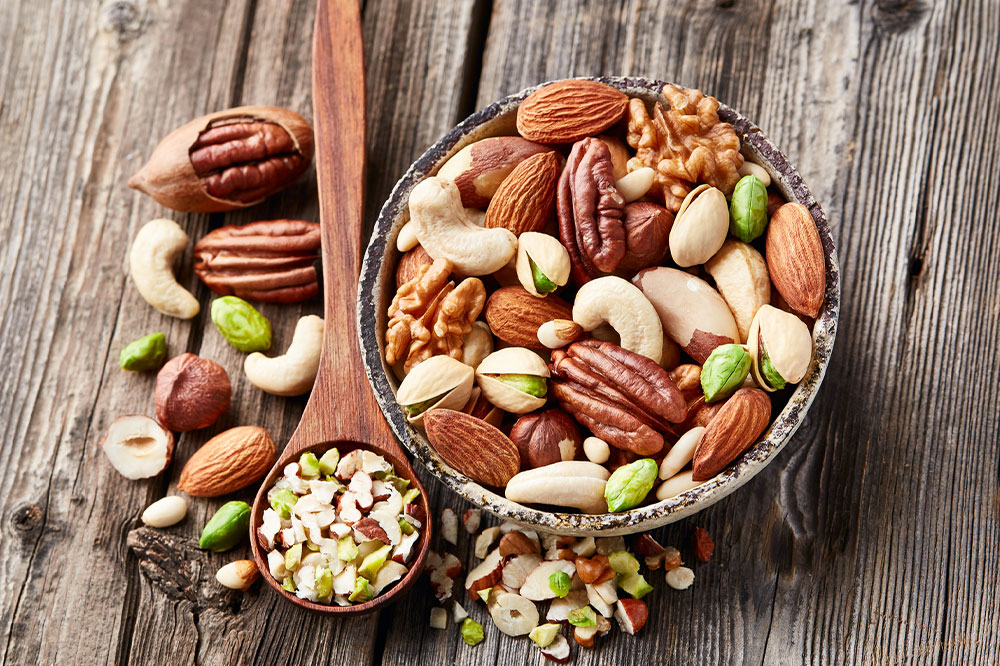
Nuts and seeds
Studies reveal that nuts have polyunsaturated and monounsaturated fats in them. In addition, nuts and seeds are also good sources of bioactive compounds with excellent antioxidant potential. They also provide the body with essential vitamins, minerals, fiber, and protein. Beyond this, nuts intake positively impacts one’s general health. It also helps treat or prevent chronic AMD risk factors, such as inflammation, oxidative stress, and lipid and glycemic metabolism. You can add nuts and seeds to your salad or oatmeal or grab a handful of them and eat it with fruit. Some people also use it as a protein topper.
Berries
Berries contain antioxidants like anthocyanins. Antioxidants are good for general health and protect one’s body against oxidative stress, which triggers macular degeneration. Anthocyanins also guard the retina against degenerative changes. They also regenerate the retinal cells and enhance the blood flow to the retina. Some best berries with a high anthocyanin content are bilberries, strawberries, blueberries, goji berries, and blackcurrants. Besides berries, even veggies and fruits with colors from purple to red are also rich in anthocyanin.
Kale, spinach, and cabbage
Veggies like cabbage, spinach, and kale are good for your health. Kale is a nutritious green leafy vegetable and a rich source of beta carotene, zeaxanthin, and lutein, valuable antioxidants that help prevent AMD. Spinach is another dark green leafy veggie with zeaxanthin, lutein, and beta-carotene. Experts consider these vitamins beneficial. Thus, one must eat at least half a cup of spinach thrice a week. Not everyone will like cabbage, but it is a good source of vitamin C. Studies indicate that antioxidants and vitamin C help avoid the damage from the free radicals responsible for AMD.
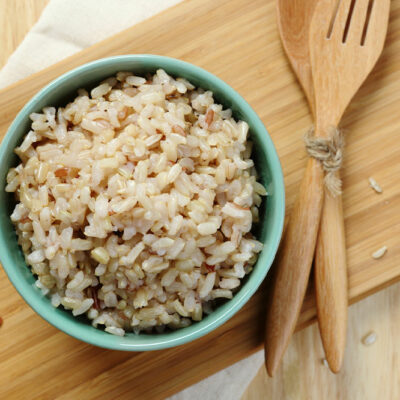
Whole grains
Whole grains are a good source of vitamins, antioxidants, and minerals. They are also rich in vitamins B and E, magnesium, fiber, and iron. Swapping most of your grains to the whole and eating them makes you feel full for longer and prevents significant blood sugar changes that can reduce your energy levels. For example, one can consider replacing one’s breakfast cereals with whole grain oats, eating whole grain popcorn as the evening snack, adding cooked quinoa to the salad, or eating tabbouleh for dinner.
Carrots
Beta-carotene helps activate vitamin A, and carrots are rich in it. Vitamin A is necessary to safeguard your eye cells, maintain a clear cornea, and prevent night blindness. Besides beta carotene, carrots also contain lutein, which reduces the risk of AMD and shields the retina.
Foods to avoid
Processed foods
Processed foods can flare up AMD symptoms or worsen one’s risk of getting the condition. It can result in severe vision loss. Such foods result in the accumulation of cholesterol plaque in the blood vessels across the body, including your eyes. The plaques damage the blood vessels. Hence, it interferes with the nutrient-rich blood and oxygen traveling to the eyes. Thus, reduce the intake of processed foods like cookies, French fries, potato chips, commercial cakes, and candy. Peanut butter and soft drinks are also not suggested.
Cholesterol-rich fried foods
Cholesterol-rich foods directly affect your eyes and increase your susceptibility to developing macular degeneration. It happens when cholesterol hampers the blood supply to the eyes, resulting in impaired central vision. Some high-cholesterol foods that aggravate your risk of causing macular disease symptoms flare-up include bacon, sausage, red meat, palm oil, lard, palm kernel oil, coconut oil, fried foods, buttered popcorn, pastries, donuts, cakes, cookies, full-fat dairy, bakery items with shortening, and potato crackers and chips. People with AMD must avoid or limit the intake of these foods. They are also unhealthy for people who do not have this condition and can trigger considerable blood cholesterol changes.
Simple carbohydrates
Researchers link simple carbs like the ones found in pasta and bread to foods that worsen one’s risk of developing AMD. The body digests these carbs fast, resulting in a spike in blood sugar levels, a predominant cause of AMD. Therefore pasta and white bread can be replaced with whole grain alternatives to avoid this.
Margarine
Margarine is made from vegetable oils and includes good unsaturated fat. Though it is better than butter, it also contains trans fat that elevates cholesterol levels and aggravates the risk of developing eye and heart-related problems. So, opt for the liquid or spread variant instead of a stick. One can also replace them with brands that mention “0 grams of trans-fat” on their labels.
Pre-packaged foods
Ready-to-eat and pre-packaged foods like canned goods, tomato sauce, and soup contain high sodium content. Reducing intake or avoiding them can reduce one’s chances of eye-related problems and high blood pressure. While shopping, look for no-salt or low-sodium alternatives to such foods. One can also add herbs and spices for a flavor boost.
Sugary drinks
Energy and sports drinks, lemonade, soda, and other sugary beverages have a high sugar content. They are a high-calorie source and can lead to eye-related issues like AMD and diabetic retinopathy.