Healthy Foods for Managing Pulmonary Fibrosis
Pulmonary fibrosis is a severe lung condition in which the lung tissue becomes scarred and stiff over time. The disorder makes breathing difficult, eventually leading to respiratory failure if ignored. The possible causes of pulmonary fibrosis include exposure to certain chemicals or toxins, infection, and autoimmune diseases. While there are several treatments to manage the symptoms and improve the patient’s quality of life, following a healthy, balanced food regime is also essential.
Foods for managing pulmonary fibrosis
Patients should consult a doctor or nutritionist when creating a tailored nutrition plan, as the best foods for pulmonary fibrosis can vary depending on the kind of symptoms and their severity. Here is an overview of the foods health experts usually recommend for this condition:
Beans and pulses
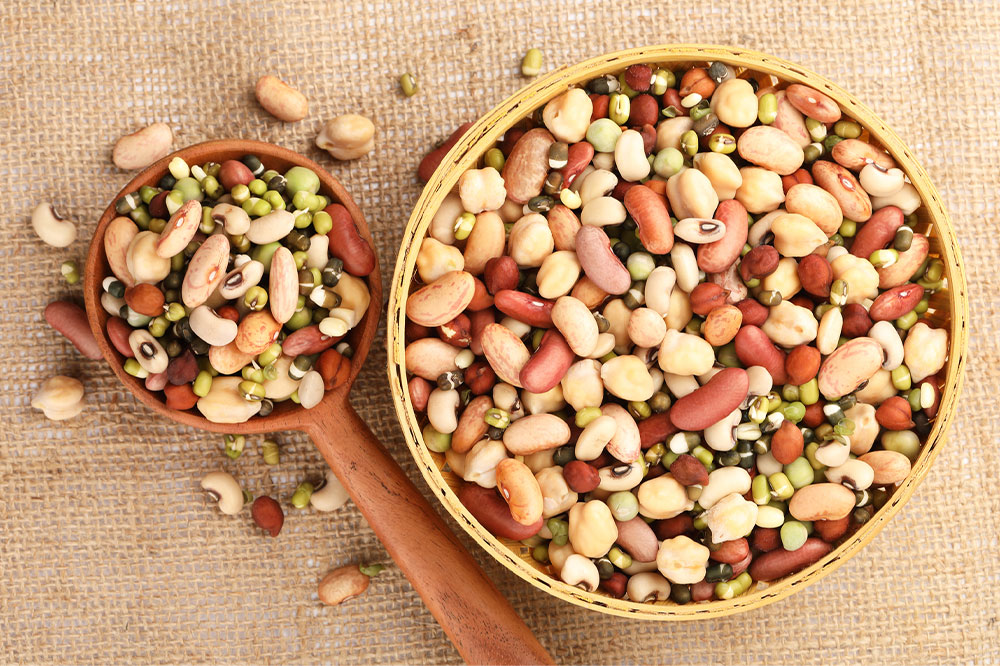
Beans and pulses like chickpeas, lentils, kidney beans, black beans, and white beans are rich in plant-based protein. Protein plays a vital role in managing pulmonary fibrosis. It helps strengthen the lung muscles and keeps the symptoms at bay. While chicken and meat are also excellent sources of proteins, beans and pulses are good alternatives for those who do not prefer animal products. Of course, protein should be balanced with fat and carbohydrates, as excess can lead to other problems.
Besides being rich in protein, beans and pulses are high in fiber, folate, iron, calcium, phosphorus, potassium, magnesium, zinc, and selenium. These nutrients can help improve overall health and reduce inflammation associated with pulmonary fibrosis.
Fruits and vegetables
Adding a variety of fruits and vegetables to the nutrition plan is one of the best things patients can do to manage pulmonary fibrosis. At least five servings of fruits and vegetables daily are essential for maintaining good health. Fruits and veggies provide essential vitamins, minerals, and nutrients that can support lung health. They also have antioxidants and fiber, which are essential for fighting diseases and maintaining overall health.
While patients can include various fruits in their meals, apples, bananas, berries, and citrus fruits are perhaps the most beneficial. Apples are packed with vitamin C, fiber, and phytonutrients, making them ideal for reducing inflammation and improving respiratory health. Bananas are full of potassium and vitamin B6, which help reduce lung inflammation. They are also a great energy source and can be enjoyed as a snack. Berries like raspberries, blackberries, and strawberries have antioxidants, which can help reduce inflammation and improve overall respiratory health. Citrus fruits like oranges, lemons, limes, and grapefruits are high in vitamin C and antioxidants, which help reduce lung inflammation.
The best vegetable options are broccoli, cabbage, carrots, kale, and tomatoes. These are rich in vitamin C, fiber, and potent antioxidants that promote lung health and help manage pulmonary fibrosis.
Carbohydrates
Carbohydrates are essential to any food regimen but are especially important for people with pulmonary fibrosis. Carbs give the body the energy to stay active and healthy. However, people with this health condition must choose the right kinds of carbs.
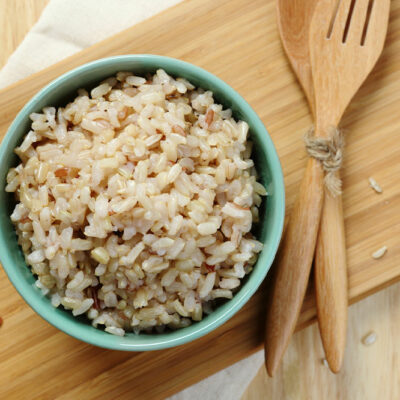
Whole grains are an excellent choice because they are packed with fiber, vitamins, minerals, and other nutrients that promote overall health. One can consider whole-grain bread, pasta, and cereals. Patients can also acquire carbs from whole fruits and vegetables. Besides carbohydrates, fruits and veggies are excellent sources of other essential nutrients, making them wholesome options.
When shopping for carbs, choosing the higher-fiber versions is essential. Fiber helps keep a person full for longer and provides more vitamins and minerals. Some high-fiber carbohydrates include green beans, kale, peppers, sweet potatoes, and spinach.
Dairy products and their alternatives
Those dealing with pulmonary fibrosis should consume dairy products in moderation. Milk, cheese, and other dairy products have vitamin D and other healthy nutrients but are high in fat and calories, which can make breathing difficult for people with pulmonary fibrosis. To reduce this risk, patients should opt for low-fat and low-sugar varieties of dairy products.
People following a vegan meal plan and those who are lactose intolerant can consider non-dairy alternatives to dairy products, such as soy, almond, coconut, and rice milk. Soy milk is rich in protein and provides maximum benefits when managing pulmonary fibrosis. Other plant-based milk varieties, such as almond, coconut, and rice milk, are low in fat and calories and can provide essential nutrients. Additionally, fortified plant-based milk provides calcium, vitamin D, and other essential vitamins and minerals.
Choosing low-fat and low-sugar dairy products and plant-based alternatives can help patients manage pulmonary fibrosis without missing out on the taste of dairy products.
Unsaturated oils
Unsaturated oils are an inseparable part of a healthy food regimen and can benefit those with pulmonary fibrosis. They contain essential fatty acids that help improve the function of the immune system, reduce inflammation, and improve cell structure. Olive oil, avocado oil, and walnut oil are the best examples of unsaturated oils. Olive oil has monounsaturated fats, which can help lower cholesterol levels and reduce inflammation. It also contains phenolic compounds that can help protect against oxidative damage. Besides monounsaturated fats, avocado oil contains high amounts of vitamin E. Walnut oil contains high levels of omega-3 fatty acids, which help reduce inflammation and improve heart health. Adding a few drops of these oils to salads or dishes can significantly increase their nutritional value while keeping calorie intake low.
Those who develop the symptoms of pulmonary fibrosis should visit a doctor for a confirmed diagnosis. The condition is usually diagnosed through a combination of tests, including chest X-rays and spirometry (an assessment of breathing capacity). After the diagnosis is confirmed, doctors may recommend treatments like surgery and radiation therapy, depending on the situation. Sometimes, breathing difficulty could be a symptom of cystic fibrosis, which causes excess mucus buildup in the lungs. The medical treatments for cystic fibrosis can differ.