Psoriasis – Symptoms, Food choices, and Remedies
Psoriasis affects over 125 million people around the world. But what are the symptoms of psoriasis, and how can they be managed? This serious autoimmune skin condition is characterized by raised, red, and scaly skin patches. It can be caused by the immune system overreacting, causing inflammation and disruption of average skin cell growth and turnover. It can develop anywhere, but the symptoms are usually observed on the scalp, elbows, knees, and lower back.
Symptoms
Usually, the disease causes red, scaly patches on the skin. It can also cause itching, pain, and burning sensations. There are several types of psoriasis, including plaque (the most common form), guttate, inverse, pustular, and erythrodermic psoriasis. Symptoms and treatment options can vary depending on the type and severity of the condition. The common symptoms of this disease are:
- Raised, reddish patches on the skin, along with a layer of silver-white scales
- Small bleeding patches when scales are removed
- Itching, burning, and soreness around the affected area
- Dry skin that may crack and bleed
- Swollen and stiff joints
- Thickening and cracking of the nails
If one observes any such symptoms associated with the condition, they must consult a doctor to get timely treatment for psoriasis. Many people can successfully manage the condition with proper healthcare, lifestyle changes, and treatment options.
Food choices
A balanced food regimen is crucial for improving overall health and wellness, especially when dealing with conditions like psoriasis. Here are certain foods that can help reduce the symptoms of psoriasis or even prevent flare-ups:
Best foods
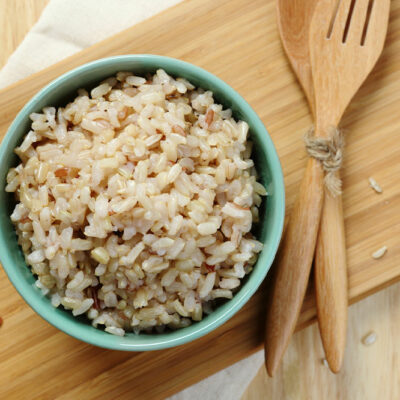
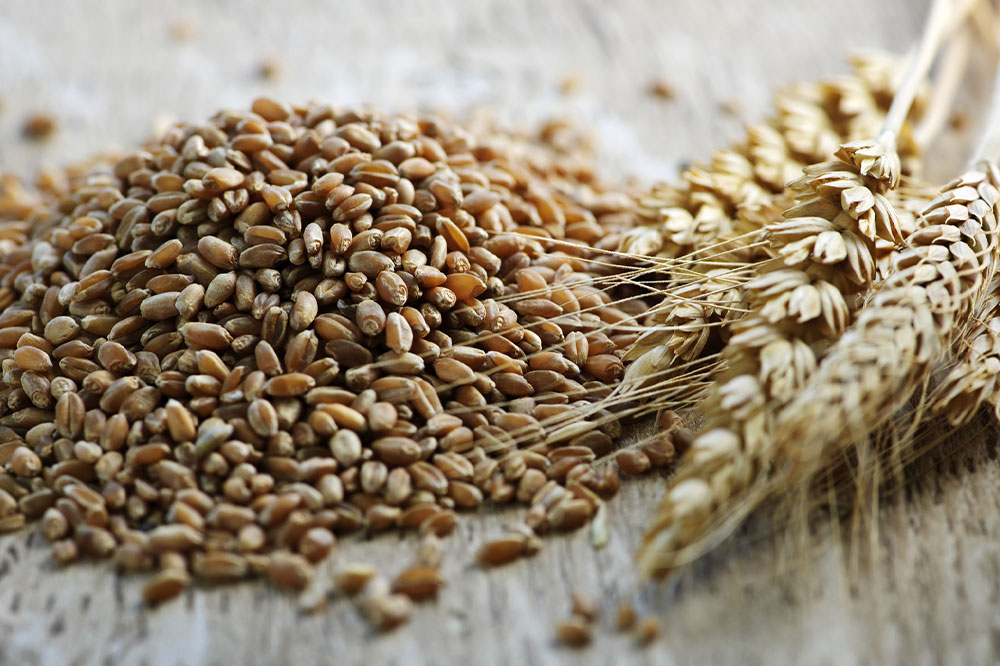
Whole grains: Grains like bulgur, quinoa, and barley are excellent sources of fiber that help maintain gut health, an essential factor for keeping symptoms in check.
Broccoli and cauliflower: These vegetables are rich in vitamins, minerals, and antioxidants that help boost the immune system and reduce inflammation.
Berries: Strawberries, blueberries, raspberries, cherries, grapes, and other dark fruits contain vitamins and powerful antioxidants that can help improve skin health.
Herbs and spices: Herbs like thyme and cumin are rich in antioxidants and can help reduce inflammation while adding flavor to meals.
Healthy fats: Sources like olive oil, seeds, and nuts provide essential fatty acids and nutrients that can help protect the skin.
Beans: This veggie is a great source of protein and fiber that can help boost the immune system and provide essential nutrients.
Making better food choices is crucial for improving health and managing diseases. Healthy foods help one get all the essential nutrients the body needs to maintain skin health and fight diseases.
Foods to avoid
Although no precise food regimen can cure psoriasis, some foods may trigger flare-ups and worsen the symptoms. Here are some foods one should avoid when managing psoriasis:
Junk food: Processed and fried foods such as chips, cookies, cakes, and other snacks should be avoided when dealing with a skin condition. These foods are usually high in saturated fats and salt, which could worsen inflammation in the body.
Dairy products: Full-fat dairy products contain saturated fats, which may worsen psoriasis symptoms. Try substituting with low-fat dairy alternatives or non-dairy options.
Citrus fruits: Fruits like oranges, lemons, limes, and grapefruit can cause inflammation and aggravate psoriasis flare-ups in those sensitive to citrus fruits.
Red meat: One should avoid red meat like beef, pork, and lamb to reduce psoriasis flare-ups. Leaner cuts of meat, such as chicken or fish, can be great alternatives.
Causes
The cause is believed to be a combination of genetic and environmental factors. The immune system plays an imperative role in the development of the condition, as specific triggers can induce a reaction that leads to a flare-up. The most common triggers for psoriasis include emotional stress, skin injury, cold weather, infections, hormonal changes, and certain supplements. People with psoriasis are likely to have family members with the same condition, suggesting that there may be a genetic link.
The exact mechanism behind its development is not yet fully understood. It is believed that a combination of factors contributes to the risk. This includes an immune response triggered by certain environmental factors, a malfunction in cell growth or production, and changes in skin or inflammation. Although it can be a complex condition to manage, understanding the causes can help one take measures to reduce its severity and improve the overall quality of life.
Home remedies
The option used to treat psoriasis can vary, but some home remedies may help relieve symptoms of psoriasis. A few common home remedies are:
Petroleum jelly or moisturizer: Applying petroleum jelly or thick moisturizers to the affected areas can help reduce itching and seal moisture. One should use a moisturizing cream before bed and wrap the area in a soft cloth to trap moisture.
Baking soda: A paste of baking soda and water can be applied to the skin. One should leave it on for 10 minutes before rinsing it off with cool water. This could soothe the affected areas.
Avocado, coconut, and tea tree oil: One can massage these oils on the affected areas to help soothe the skin after using a carrier oil to dilute the concentration.
Sunlight exposure: One should time in the sun (at least 15 minutes) every day, as this can help the body produce vitamin D that helps reduce inflammation.
Epsom salt bath: Adding 1–2 cups of Epsom salt to a warm bath and soaking for 20 minutes is another remedy for psoriasis. This helps soften the skin and reduce inflammation.
Capsaicin cream: Capsaicin cream can be applied to the affected areas to reduce itching and burning.
Turmeric paste: A paste of turmeric and water, when applied to the affected areas, can relieve irritation. One should leave it on for 15–20 minutes before rinsing it off.
Oatmeal bath: Those with psoriasis can add 1 to 2 cups of ground oatmeal to a warm bath and soak for 15–20 minutes to help relieve itching and dryness.
Yoga and meditation: Relaxation techniques like yoga and meditation can help reduce stress. Extremely high stress can worsen symptoms of psoriasis.