Understanding COPD and Managing it Using Food
COPD, or Chronic Obstructive Pulmonary Disease, is a lung disease that can make breathing difficult. It is often caused by long-term exposure to damaging particles or gases, such as tobacco, air pollution, dust, and other irritants. The condition can weaken the body’s immune system, making it more vulnerable to sickness and disease. Fortunately, certain foods can help boost your immunity and also increase overall lung health. Read on to know about COPD and foods to have for it.
Symptoms of COPD
The primary symptoms of COPD are persistent coughing, wheezing, shortness of breath, and a feeling of tightness in the chest. The symptoms can vary from person to person, but the most common signs are difficulty breathing, increased mucus production, frequent flare-ups or exacerbations, fatigue, and changes in sputum color.
Diagnosing COPD
COPD is a condition that affects the airways and can make it difficult for you to breathe. It is crucial to get a diagnosis as soon as possible so you can start treatment and begin to manage your symptoms. The diagnosis process may include a physical exam, a review of your health history, pulmonary function tests, and imaging tests.
During a physical exam, your doctor will listen to your lungs using a stethoscope and may use a peak flow meter to measure your breathing. They may also perform other tests, such as measuring your oxygen levels or looking at your chest X-ray to help diagnose COPD. Pulmonary function tests are tests done to measure how well your lungs are working. These tests measure how much air you can breathe in and out and how quickly you can move air in and out of your lungs. Imaging tests, such as a CT scan or an MRI, can help assess the amount of damage to your lungs. Other tests that may diagnose COPD include a blood test or an allergy test to rule out other causes of shortness of breath. After diagnosis, your doctor may prescribe supplements or lifestyle changes to help manage your symptoms and improve your quality of life.
Types of immunity boosting foods for COPD
Chronic Obstructive Pulmonary Disease, or COPD, is a common long-term lung disease that can be made worse by environmental factors, including pollution. Those with COPD are more likely to have a weakened immune system, making it essential to boost immunity levels through proper nutrition. Fortunately, many foods can help strengthen the immune system and fight infection.
Carbohydrate-rich food
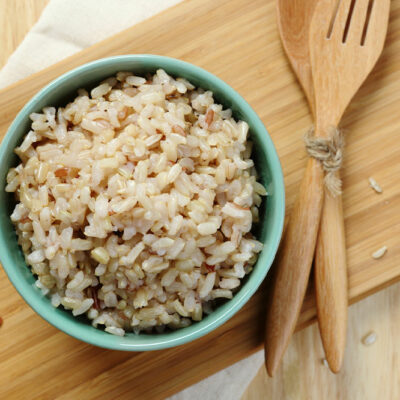
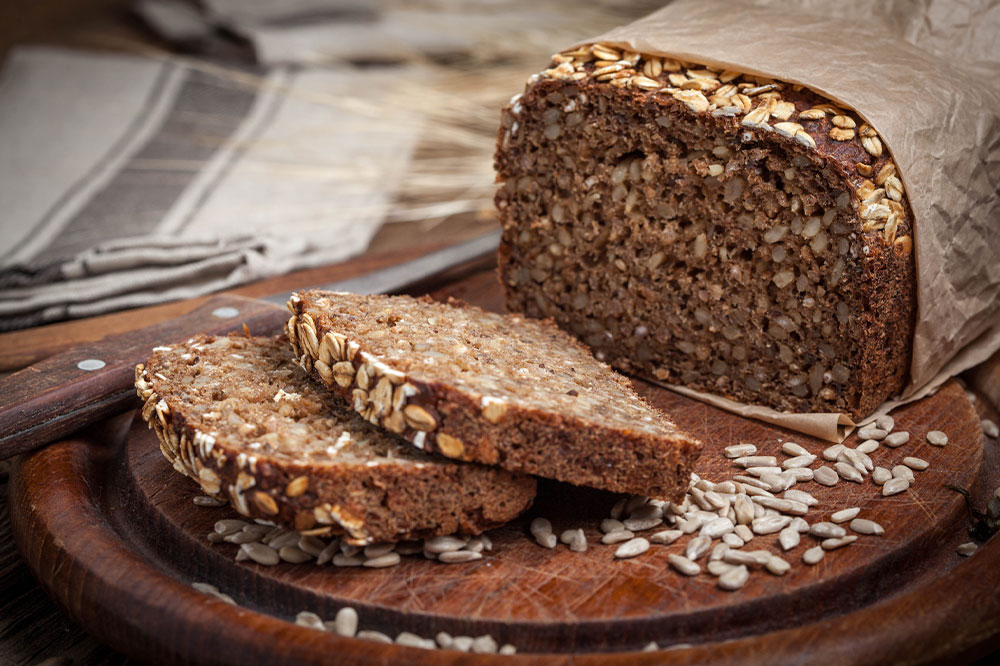
Whole-grain bread is an excellent source of carbohydrates and is packed with nutrients like fiber, iron, and B vitamins. It also contains a variety of antioxidants that can help protect against damage caused by free radicals. Eating whole-grain bread regularly will help to improve blood sugar levels and decrease the risk of developing COPD.
Pasta is another excellent source of carbohydrates that can help boost immunity. It contains essential minerals and vitamins such as iron, magnesium, and vitamin B12. Eating pasta will provide the body with plenty of energy and can also help to reduce inflammation in the lungs.
Fresh fruits and vegetables are packed with vitamins and minerals that can help to boost the immune system. They are also rich in antioxidants, which can help protect against damage caused by free radicals. Eating plenty of fruits and vegetables regularly will ensure the body has enough of these essential nutrients for good health.
Protein-rich foods
Protein is an essential macronutrient for individuals with COPD. It plays a role in muscle strength and the maintenance of the respiratory system. Eating protein-rich food twice a day can help maintain strong respiratory muscles, allowing for better airflow. Milk is an excellent source of protein and other essential nutrients that can benefit COPD sufferers. It is high in calcium, which is necessary for healthy bones, as well as Vitamin B12 and other beneficial vitamins and minerals for your health. Milk also contains whey protein, which can help improve lung function and reduce inflammation in the lungs. Cheese is an excellent source of protein and calcium, which are essential for healthy bones. It also contains vitamins A and B12, which help the immune system function properly. It also contains conjugated linoleic acid and omega-3 fatty acids, which can help reduce inflammation throughout the body.
Nuts are an excellent source of protein and help keep the respiratory system functioning correctly. They are high in magnesium, which helps regulate oxygen levels in the blood, and zinc, which helps reduce inflammation in the lungs. Dried beans and peas are a great source of protein, fiber, and other essential nutrients. They are high in antioxidants, which help fight inflammation, and are important for proper respiratory function. Eating dried beans and peas regularly can help maintain a healthy respiratory system.
Unsaturated fat-rich foods
Unsaturated fats can be found in many plant-based sources, including canola, safflower, and corn oils. They have been linked to numerous health benefits, including improved heart health, a decreased risk of stroke, and decreased inflammation throughout the body. In addition to these benefits, unsaturated fats also play an essential role in boosting immunity for those with COPD. Unsaturated fats are believed to reduce oxidative stress within the body and reduce the impact of inflammatory cytokines. This means they can help reduce the risk of infection and make it easier to manage COPD symptoms.
Fiber-rich foods
Fiber is an integral part of a healthy food regimen, especially for people with COPD. Eating 20 to 30 grams of fiber daily can help boost your immune system and improve your respiratory health. A variety of foods are rich in fiber, including fruits and vegetables, whole grains such as bread and pasta, nuts, and seeds. Fruits and vegetables are also the best sources of fiber. Apples, oranges, bananas, strawberries, kale, spinach, broccoli, carrots, and sweet potatoes are all excellent sources of dietary fiber. One can also try adding almonds, walnuts, flaxseeds, chia seeds, and pumpkin seeds to their meals or snacks to get an extra boost of fiber.
Potassium-rich foods
Potassium is an essential mineral for overall health, and eating potassium-rich foods can help boost your immune system if you have COPD. Some of the best potassium-rich foods include avocados, tomatoes, bananas, and oranges. These foods are a great source of vitamin C, which is essential for fighting infections and boosting immunity. Potassium also helps keep your body’s electrolytes in balance, which can help prevent muscle fatigue and keep your body functioning properly.
In addition, avocados and tomatoes contain carotenoids and other antioxidants, which can help reduce inflammation and prevent COPD flare-ups. Furthermore, bananas are high in magnesium and potassium, which can help reduce stress levels and give your body an extra boost of energy. Oranges are also high in vitamin C, making them ideal for boosting immunity and fighting infection.