
Sleep Hygiene: What It Actually Means and Why It Matters
Sleep hygiene isn't just about bedtime. This explainer breaks down the full picture of habits that support consistent, restorative sleep.
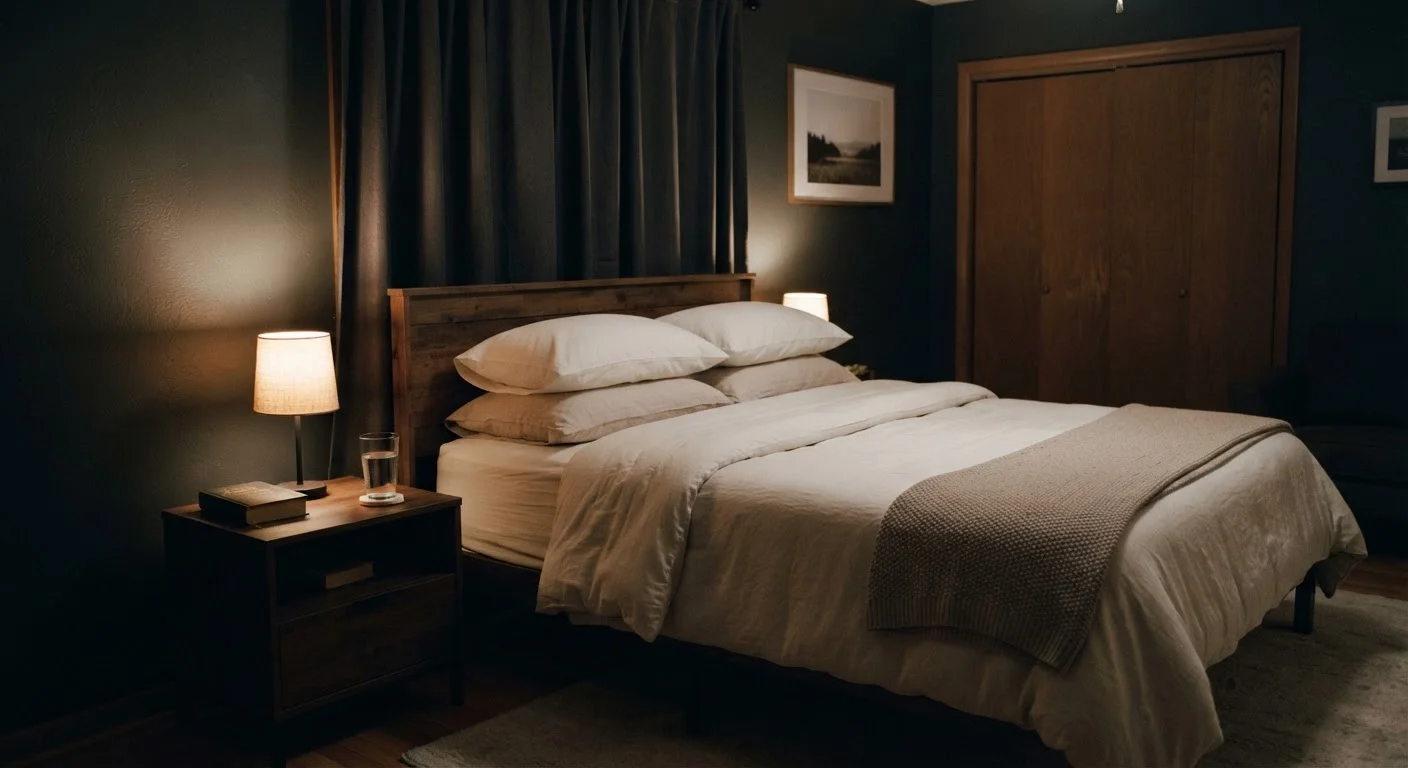
Photo: HorizonMetric.com | One Destination For Everyday Insights editorial
—— In This Article
Key Takeaways
- Sleep hygiene describes habits and environment conditions, not just a bedtime routine.
- Consistency in sleep and wake times is one of the most impactful practices you can adopt.
- Light exposure — natural and artificial — powerfully shapes your body's sleep signals.
- Poor sleep hygiene can affect mood, focus, metabolism, and immune function over time.
- Most sleep hygiene changes are free, low-risk, and can be started immediately.
Why the Word 'Hygiene' Applies to Sleep
When most people hear hygiene, they think soap and toothbrushes. Applied to sleep, the word carries a different but related meaning: a set of deliberate, repeatable practices that preserve health. Just as dental hygiene isn't a single act but a daily system, sleep hygiene is the sum of choices you make across the full day — not just the 30 minutes before you turn off the light.
The concept emerged from behavioral sleep medicine research and is now widely used by sleep specialists, primary care physicians, and psychologists as a foundation for addressing common sleep complaints. It matters because poor sleep doesn't stay in the bedroom — it ripples into mood, cognitive performance, metabolism, immune response, and long-term health. For more on how closely rest and emotional health are linked, see The Sleep-Mood Connection Explained.
Sleep Hygiene vs. Sleep Disorders
Good sleep hygiene supports healthy sleep in people without underlying sleep disorders, but it is not a replacement for medical treatment when a disorder is present. Conditions such as obstructive sleep apnea, insomnia disorder, or narcolepsy require professional diagnosis and specific interventions. If your sleep problems persist despite consistent habits, speak with a healthcare provider.
The Core Pillars of Sleep Hygiene
Sleep hygiene breaks down into four interconnected areas:
- Schedule consistency: Going to bed and waking at the same time every day — including weekends — anchors your circadian rhythm. Irregular schedules create a kind of social jet lag that leaves the body perpetually out of sync.
- Sleep environment: Your bedroom conditions send signals to your nervous system. A cool, dark, and quiet room supports the drop in core body temperature that naturally accompanies sleep onset. Blackout curtains, white noise, and a lower thermostat are practical tools, not luxuries.
- Pre-sleep behavior: What you do in the hour or two before bed primes — or disrupts — your body's transition to rest. Winding down with low-stimulation activities, dimming lights, and avoiding screens reduces the cognitive and physiological arousal that delays sleep.
- Daytime habits: Caffeine, alcohol, physical activity, and light exposure during the day all affect nighttime sleep quality. Morning sunlight exposure, in particular, helps set your circadian clock for the hours ahead.
1 in 3
U.S. adults not getting enough sleep
According to CDC data, about one-third of American adults report regularly sleeping fewer than the recommended 7 hours per night.
7–9 hrs
Recommended nightly sleep for adults
The American Academy of Sleep Medicine and Sleep Research Society recommend 7 or more hours for adults; 7–9 hours is the commonly cited target range.
90 min
Suggested screen-free window before bed
Sleep specialists often suggest avoiding screens for at least 60–90 minutes before sleep to allow melatonin levels to rise naturally.
What Sleep Hygiene Doesn't Mean
A common misconception is that sleep hygiene is a checklist you complete at bedtime. In reality, habits you practice at 10 a.m. — like getting outside for morning light or timing your last coffee — are just as relevant as your wind-down routine at 10 p.m.
Another misunderstanding: sleep hygiene alone is not a treatment for clinical sleep disorders like insomnia disorder, sleep apnea, or restless legs syndrome. These conditions require professional evaluation. If you consistently struggle to fall or stay asleep despite good habits, a healthcare provider is the right next step.
It's also worth understanding that quantity and quality of sleep are distinct — sleeping eight hours doesn't guarantee you'll feel restored. Understanding sleep quality vs. sleep duration can help clarify why some people feel unrested despite adequate hours.
Start With Your Wake Time
If you can only change one habit, make it your wake time. Setting a consistent alarm — even on weekends — and getting up when it goes off helps anchor your circadian rhythm faster than any other single adjustment. Over one to two weeks, your bedtime drowsiness will naturally start to align.
Building Habits That Actually Stick
The most effective sleep hygiene approach is incremental. Overhauling your entire routine overnight often backfires — too many changes at once are hard to maintain. Instead, identify the one or two factors most likely affecting your sleep and start there.
If your schedule is wildly inconsistent, prioritize wake time first — it's easier to anchor than bedtime and pulls the rest of your rhythm into place. If your bedroom is too bright or warm, address environment before tackling screen time. Small, sustainable shifts compound over time.
Your morning routine also plays a role. Consistent wake times, morning light exposure, and avoiding the snooze button reinforce the signals your brain uses to regulate sleep pressure throughout the day. For evidence-based framing of morning habits broadly, Morning Routines and Mental Health offers a grounded look at what the research actually supports.
And if you're interested in how good sleep supports your skin — not just your mind — nighttime skincare and skin repair during sleep explains why rest is one of the most underrated skincare tools.
This article is for general informational and educational purposes only and is not a substitute for professional medical advice, diagnosis, or treatment. If you have concerns about your sleep health, please consult a qualified healthcare provider.
Frequently Asked Questions

Beauty Editorial Team
Beauty Editorial Team is the collective byline for our editorial team and contributor network. Articles published under this byline or an editorial pen name are researched, written, and reviewed according to our editorial standards for clarity, consistency, and independence before publication.
View author profile