
Sodium in the American Diet: Where It Actually Comes From
Most dietary sodium doesn't come from the salt shaker. This explainer traces where it really enters everyday American meals.
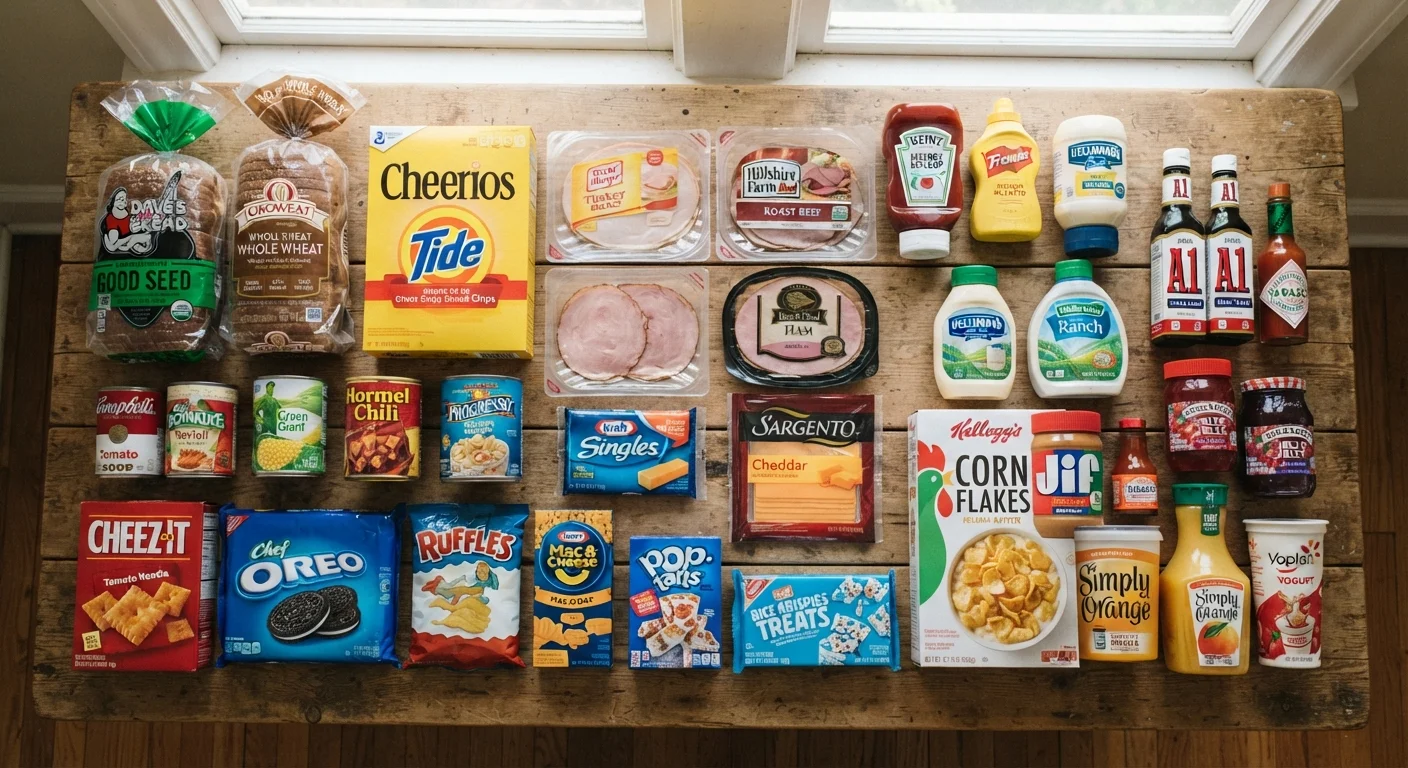
Photo: HorizonMetric.com | One Destination For Everyday Insights editorial
—— In This Article
Key Takeaways
- About 70% of the sodium Americans eat comes from processed, packaged, and restaurant foods.
- Bread, cured meats, and canned soups are among the biggest sodium contributors in the average diet.
- The salt shaker at the table accounts for only a small fraction of total daily sodium intake.
- Sodium is added to processed foods for preservation, texture, and flavor — not just taste.
- Reading nutrition labels is one of the most effective ways to track and reduce sodium intake.
- Consulting a healthcare provider is recommended before making major dietary changes, especially for those managing blood pressure or kidney conditions.
The Salt Shaker Isn't the Problem
Ask most people where their sodium comes from, and they'll point to the salt shaker on the dinner table. It's an understandable assumption — but it's largely wrong. Research from the Centers for Disease Control and Prevention (CDC) consistently shows that only about 11% of Americans' sodium intake comes from salt added at the table or during home cooking. The overwhelming majority — roughly 70% — enters the diet through commercially processed and restaurant-prepared foods.
This distinction matters enormously. It means that cutting back on the salt shaker alone has very limited impact on total sodium consumption. Understanding where sodium actually comes from is the first step toward making genuinely informed dietary choices.
~70%
Sodium from processed and restaurant foods
According to CDC data, roughly 70% of Americans' daily sodium comes from commercially processed and restaurant-prepared foods.
3,400 mg
Average daily sodium intake for Americans
The CDC estimates the average American consumes about 3,400 mg of sodium per day — nearly 50% above the 2,300 mg guideline.
~11%
Sodium added at the table or while cooking at home
CDC research indicates discretionary salt — added at the table or during home cooking — accounts for only about 11% of total intake.
The Biggest Sodium Sources in Everyday Meals
Certain food categories consistently account for the bulk of sodium in the American diet. These aren't junk foods most people would think to avoid — they're everyday staples:
- Bread and rolls: A single slice of commercially baked bread can contain 100–200 mg of sodium. Across a day's meals, bread alone can add up to several hundred milligrams.
- Deli and cured meats: Cold cuts, bacon, sausage, and hot dogs are heavily preserved with sodium. Two slices of deli turkey can contain 400–600 mg.
- Pizza: Between the crust, sauce, cheese, and toppings, pizza is one of the highest single-meal sodium sources in the American diet.
- Canned soups and broths: Many canned soups contain more than 800 mg per serving — and most cans hold at least two servings.
- Condiments and sauces: Soy sauce, ketchup, salad dressings, and hot sauce contribute sodium in quantities that are easy to underestimate.
- Cheese: Even modest portions of processed cheese add meaningful amounts of sodium to daily totals.
None of these foods are inherently off-limits, but their frequency and portion size in typical American eating patterns explain why average daily sodium intake is nearly 50% above recommended levels.
Why Food Manufacturers Add So Much Sodium
Sodium isn't added to processed foods simply for flavor. It serves several distinct functional purposes that make it difficult for food manufacturers to remove without reformulating products significantly.
Preservation: Sodium inhibits bacterial growth, extending shelf life for packaged meats, soups, sauces, and snacks. Texture: In bread and deli meats, sodium affects protein structure, improving mouthfeel and firmness. Flavor enhancement: Sodium amplifies savory, sweet, and other flavor compounds while masking bitterness — a key tool when working with lower-cost base ingredients.
Low-Sodium Labels: What They Actually Mean
The FDA defines specific sodium-related label claims: 'low sodium' means 140 mg or less per serving, while 'reduced sodium' means at least 25% less sodium than the regular version of that product — which still may be a significant amount. 'No salt added' means no salt was added during processing, but the food may still contain naturally occurring sodium. Checking the actual milligram amount on the Nutrition Facts label gives you the most useful comparison.
This multi-role function means that reducing sodium in processed foods is a complex reformulation challenge — one the food industry has made incremental progress on, but hasn't fully solved. For consumers, reading the Nutrition Facts label remains the most reliable way to compare sodium levels across similar products.
When you do cook at home, the sodium you add is entirely within your control. Understanding how salt functions in cooking — including when to add it and how it changes a dish — can help you use less while still achieving satisfying results. Learn how salt works at each stage of cooking to get more flavor impact with less.
Practical Steps for Managing Sodium Intake
Reducing sodium doesn't require eliminating entire food groups. Small, consistent changes across everyday meals can meaningfully shift overall intake over time.
Start With Labels, Not the Salt Shaker
If you want to meaningfully reduce sodium intake, focus first on packaged foods and restaurant meals rather than cutting back on home cooking salt. Compare sodium milligrams per serving across similar products — small differences add up across a day. Even switching to a lower-sodium version of one or two staples (like canned broth or deli meat) can make a real difference in your weekly totals.
- Compare labels: Sodium levels vary widely among similar products. Checking labels is one of the most effective strategies for reducing intake without changing what you eat.
- Choose lower-sodium canned and packaged products: Many staples — beans, tomatoes, broth — are available in reduced-sodium versions that work just as well in cooking.
- Watch restaurant portions: Restaurant meals tend to be high in sodium regardless of cuisine. Opting for sauces and dressings on the side gives you more control.
- Cook more at home: Home-cooked meals are typically far lower in sodium than restaurant equivalents, even when you salt generously during cooking.
For people managing high blood pressure, kidney disease, or heart conditions, dietary sodium is a clinically significant factor. If you're in one of these groups — or if you're unsure what sodium targets are appropriate for you — consult a qualified healthcare provider before making significant dietary changes. This article is for general informational purposes only and does not constitute medical or dietary advice.
Frequently Asked Questions

Health Editorial Team
Health Editorial Team is the collective byline for our editorial team and contributor network. Articles published under this byline or an editorial pen name are researched, written, and reviewed according to our editorial standards for clarity, consistency, and independence before publication.
View author profile