
Roof Maintenance Tasks Homeowners Can Safely Handle Themselves
You don't need to get on the roof for many important maintenance steps. Learn what's reasonable—and when to call a licensed roofer.
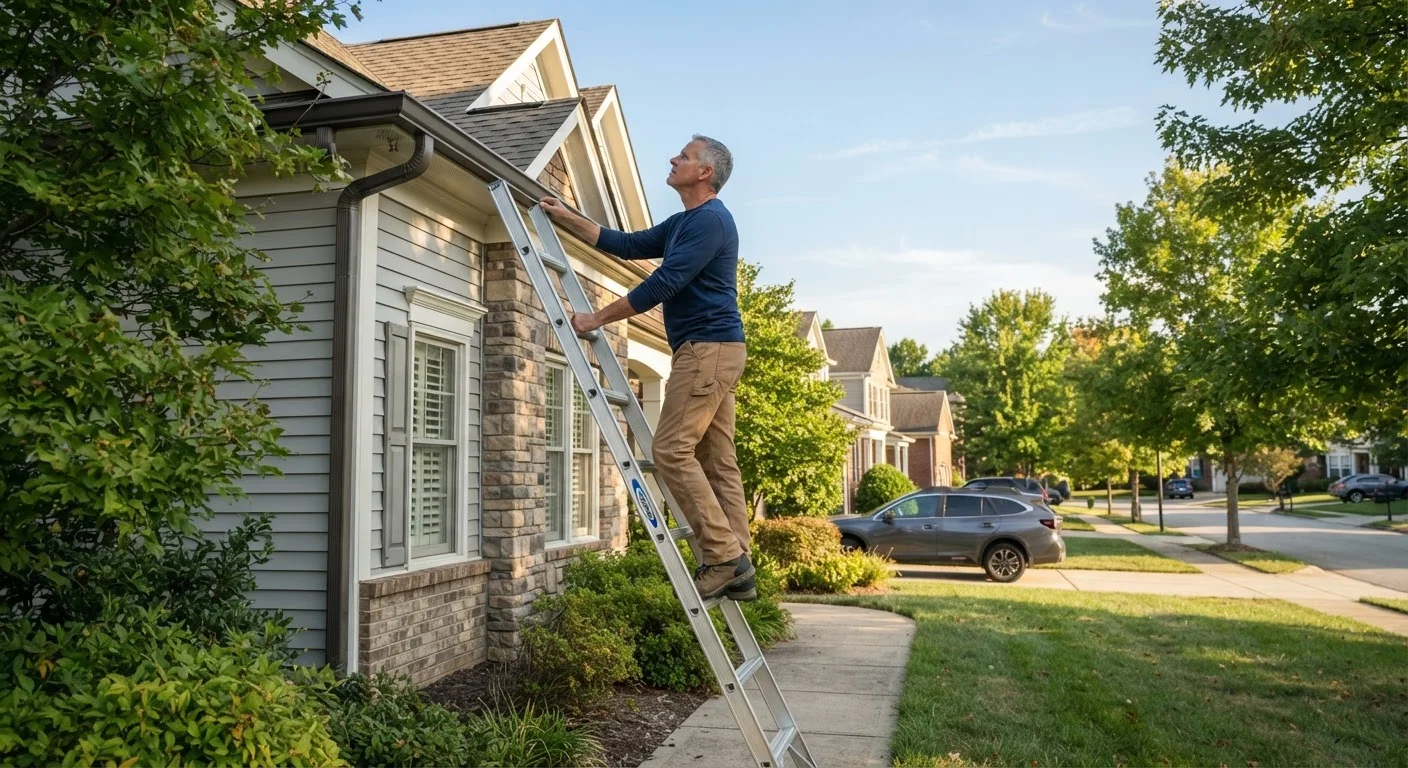
Photo: HorizonMetric.com | One Destination For Everyday Insights editorial
—— In This Article
Key Takeaways
- Many valuable roof maintenance tasks can be done without ever stepping onto the roof surface.
- Regular visual inspections from the ground help catch small problems before they become costly repairs.
- Clogged gutters are one of the most common causes of preventable roof and fascia damage.
- Tasks involving structural repairs, flashing replacement, or steep pitches should always be left to licensed professionals.
- Consistent seasonal maintenance extends roof lifespan and reduces the likelihood of emergency repairs.
What Homeowners Can Realistically Do
Roof maintenance tends to feel intimidating — and it should, to some degree. Falls from rooftops are among the most serious home-improvement hazards, and certain repairs genuinely require a licensed roofer with proper training and equipment. But that doesn't mean homeowners are helpless. A meaningful portion of routine roof care happens at gutter level, from the ground, or with basic tools that require no specialized skill.
Understanding the boundary between what's safe and what's not is the most important step. As a general rule: if a task requires walking on the roof surface — especially on a steep pitch, wet surface, or aging material — it belongs in a professional's hands. The tasks below sit comfortably on the homeowner side of that line, and handling them consistently can meaningfully extend the life of your roof.
Start from the Ground, Not the Roof
For the majority of these tasks, ladders and long-handled tools are safer and often just as effective as getting onto the roof surface. Invest in a quality extension ladder with proper weight ratings, and always have a second person present when working at height. If a task requires you to be on the roof itself, that's a strong signal to bring in a professional.
Maintenance Tasks You Can Handle Safely
Conduct regular ground-level visual inspections
You don't need to climb anything to spot many common roof problems. Walk the perimeter of your home with binoculars and look for missing, curled, or buckled shingles; granules collecting in downspout splash areas; sagging sections; and moss or algae growth. Check the roofline for any areas that appear uneven, which can indicate structural movement beneath the surface.
Do this after significant storms as well as on a routine schedule. Early visual detection is often the difference between a minor repair and a major replacement.
Binoculars and a slow walk around your home can reveal problems before they become expensive.
Clean and maintain gutters and downspouts
Clogged gutters are a leading cause of preventable roof damage. When water backs up, it can seep under shingles and rot the fascia board — the trim running along the roofline. Cleaning gutters two to four times per year, depending on nearby tree coverage, keeps water moving away from the roof edge as intended.
Use a stable ladder rated for your weight, maintain three points of contact, and never lean the ladder against the gutter itself. Clear debris by hand or with a gutter scoop, then flush with a garden hose to confirm downspouts are flowing freely.
Backed-up gutters can rot fascia boards and push moisture under your shingles.
Remove overhanging branches near the roofline
Tree branches that hang over or brush against the roof cause two distinct problems: they abrade shingles during wind events, and they drop debris that holds moisture against the roof surface. Trimming branches so they clear the roof by at least six feet reduces both risks significantly.
For branches you can safely reach with a pole pruner from the ground, this is a reasonable homeowner task. For large limbs or trees close to power lines, hire a certified arborist — the risk of an uncontrolled fall is too great to manage without proper equipment.
Branches scraping across shingles wear away the granules that protect against UV and moisture.
Treat moss and algae growth early
Black streaks on shingles are typically caused by algae, while green or gray patches indicate moss. Both hold moisture against the roof surface and, over time, can degrade shingles. Treating growth early — before it becomes dense — is far simpler than dealing with an established colony.
A diluted solution of water and oxygen bleach applied with a garden sprayer on a calm, overcast day is a commonly used approach. Let it sit and rinse naturally with rain; avoid pressure washing the roof surface, as high-pressure water can strip granules and damage shingles. This applies whether you're treating the roof or any other exterior surface — see our guide on protecting surfaces during exterior washing for more context on pressure and delicate materials.
Treating moss or algae early prevents the moisture retention that accelerates shingle breakdown.
Inspect and clear attic ventilation
Proper attic ventilation is closely tied to roof health. When hot, moist air becomes trapped in the attic, it can cause sheathing — the wooden boards beneath your shingles — to warp or rot, and in winter, it contributes to ice dam formation along the eaves. Homeowners can inspect soffit vents (the vents along the underside of the roof overhang) from a ladder to confirm they're not blocked by insulation, paint, or debris.
Inside the attic, check that insulation hasn't been pushed over vent openings and look for signs of condensation or moisture staining on rafters and sheathing. If you notice persistent moisture, consult a roofing or insulation professional to assess whether additional ventilation is needed.
A well-ventilated attic protects the wooden structure beneath your shingles from warping and rot.
Check accessible flashings from ladder height
Flashing refers to the metal strips that seal transitions between the roof and vertical surfaces — chimney bases, skylights, dormers, and plumbing vents. Failed flashing is one of the most common sources of roof leaks. While replacing flashing is work for a licensed roofer, homeowners can inspect visible sections from ladder height for obvious issues: rust, visible gaps, lifted edges, or missing sealant around joints.
Document what you see with photos and report it to a roofing professional promptly. Catching flashing failure early — before water has worked its way into the underlying structure — can significantly limit repair costs.
Failed flashing is one of the most common leak sources, but early detection keeps repairs manageable.
When to Call a Licensed Roofer
Some signs should prompt a professional inspection rather than a DIY response: visible daylight through attic boards, interior water stains that appear after rain, sagging roof decking, or widespread shingle loss after a storm. Repairs involving structural components, flashing replacement, or any work on a steep or wet roof surface carry significant safety risks and often require permits. A licensed roofer can also assess whether damage qualifies for an insurance claim — worth asking about before starting any repair work.
Building a Seasonal Routine
Roof maintenance works best as a rhythm rather than a reaction. Aim to run through your checklist twice a year — typically in late spring after winter stress has passed, and in early fall before wet or freezing weather arrives. After any major storm with high winds or hail, add a quick ground-level check to your routine regardless of season.
Keeping a simple log of what you observed and when gives you a useful baseline. If a minor issue appears in one inspection and has grown by the next, that's a clear signal to call a licensed roofer before the problem escalates. Consistent small efforts almost always cost less than deferred large repairs.
This article provides general home maintenance information for educational purposes only. It is not a substitute for professional roofing assessment. Always consult a qualified, licensed roofing contractor before undertaking work that may affect your home's structure, and verify whether local permits or codes apply to any repair work you are considering.

Home Editorial Team
Home Editorial Team is the collective byline for our editorial team and contributor network. Articles published under this byline or an editorial pen name are researched, written, and reviewed according to our editorial standards for clarity, consistency, and independence before publication.
View author profile