
Hawaii's Six Main Islands, Side by Side
Oahu, Maui, Kauai, the Big Island, Molokai, and Lanai each offer a distinct experience. Here's how they differ and who each suits best.
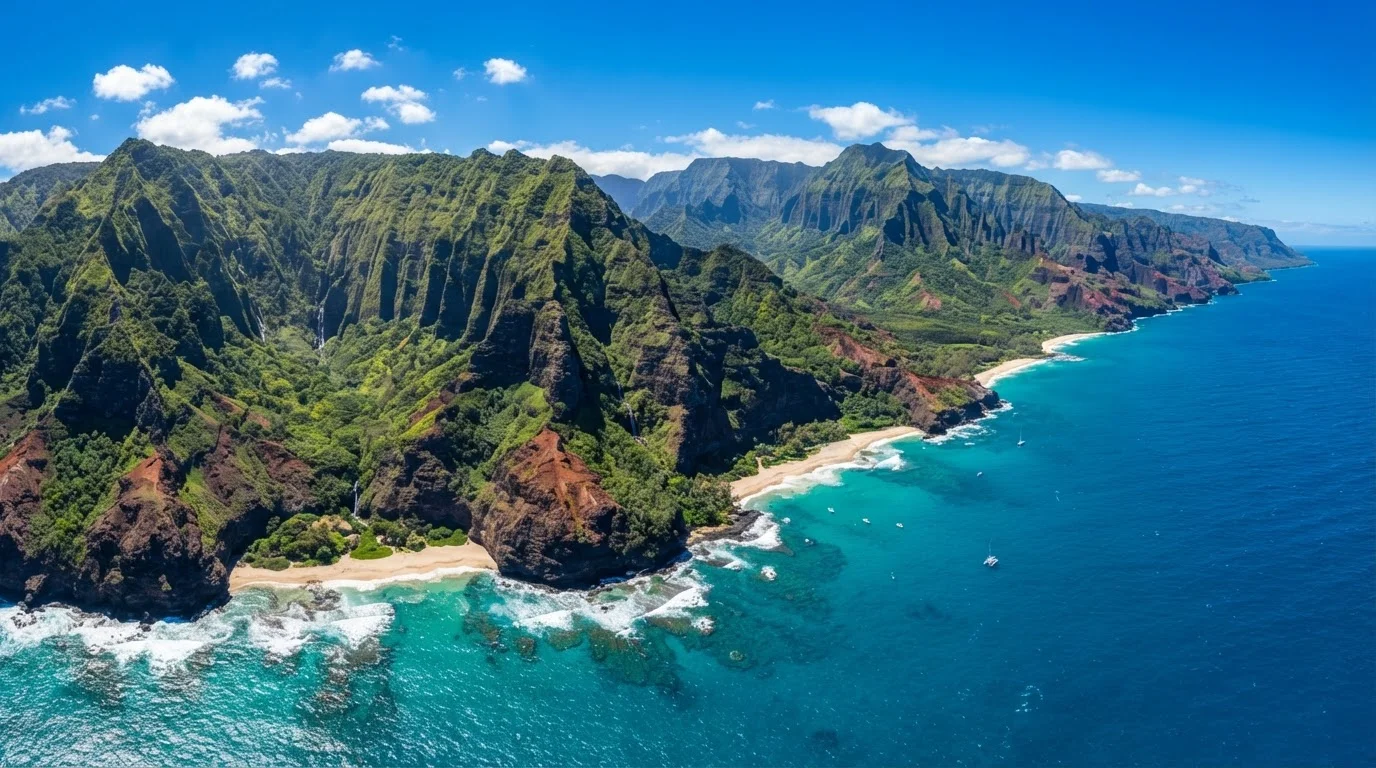
Photo: HorizonMetric.com | One Destination For Everyday Insights editorial
—— In This Article
Key Takeaways
- Oahu blends urban energy with iconic beaches, making it Hawaii's most accessible and visited island.
- Maui balances luxury resort areas with rugged natural wonders like Haleakalā volcano.
- Kauai is the most secluded and scenically dramatic, ideal for outdoor adventurers.
- The Big Island offers unmatched geological diversity, from active lava flows to snow-capped peaks.
- Molokai and Lanai offer off-the-beaten-path escapes with minimal crowds and fewer tourist amenities.
A Quick Orientation to the Islands
Hawaii's six main islands — Oahu, Maui, the Big Island (Hawaii Island), Kauai, Molokai, and Lanai — sit in the central Pacific and each evolved its own distinct personality. They share tropical warmth and aloha spirit, but they diverge sharply in landscape, infrastructure, crowd levels, and the kind of traveler they attract best.
Most flights from the US mainland land on Oahu or Maui, with connecting inter-island flights serving the others. Knowing what each island prioritizes helps you plan a trip that actually matches your travel style rather than someone else's Instagram feed.
| Oahu | Maui | Kauai | Big Island | Molokai | Lanai | |
|---|---|---|---|---|---|---|
| Vibe | Urban & iconic | Resort & varied | Wild & scenic | Geological & vast | Authentic & quiet | Exclusive & remote |
| Crowd level | Very high | High | Moderate | Moderate | Very low | Very low |
| Best for | First-timers, families | Couples, honeymooners | Hikers, nature lovers | Adventure seekers | Cultural explorers | Luxury or off-road |
| Nightlife & dining | Excellent | Good | Limited | Moderate | Very limited | Very limited |
| Natural highlights | Waikiki, North Shore | Haleakalā, Hana | Na Pali, Waimea | Volcanoes NP, Mauna Kea | Sea cliffs, beaches | Craters, remote shores |
| Getting around | Car or bus | Car essential | Car essential | Car essential | Car recommended | 4WD recommended |
Oahu: The Heartbeat of Hawaii
Home to Honolulu, Waikiki, and Pearl Harbor, Oahu is Hawaii's urban hub. It offers the widest range of accommodations, dining, nightlife, and public transit of any island. Waikiki's iconic stretch of beach is genuinely beautiful, and the North Shore delivers world-class surf culture, especially in winter.
Oahu handles the largest volume of visitors, which means attractions can get crowded, particularly at Diamond Head and Hanauma Bay. That said, the island's size and infrastructure mean you can almost always find a quieter corner — and the ease of getting around makes it the lowest-stress option for first-timers.
Make the Most of Inter-Island Travel
If your schedule allows, combining two islands in one trip can be deeply rewarding — Oahu paired with Kauai or Maui is a popular combination. Inter-island flights are short (typically 30–50 minutes) and run frequently. Book early for the widest selection of departure times, and check baggage policies, as they can vary by carrier.
Maui, Kauai, and the Big Island: Nature on a Grand Scale
Maui earns its reputation through sheer variety. The Road to Hana winds through waterfalls and rainforest; Haleakalā's summit offers sunrise views above the clouds; and Kaanapali and Wailea deliver polished resort experiences. Maui tends to draw couples, honeymooners, and travelers who want both comfort and adventure.
Kauai is the oldest and most eroded of the main islands, which gives it impossibly dramatic scenery — the Na Pali Coast, Waimea Canyon, and Hanalei Bay among them. Development is deliberately limited here, meaning fewer chain hotels and a quieter pace. It rewards those who come to hike, kayak, or simply absorb the landscape.
The Big Island is the youngest, largest, and most geologically active island. Visitors can stand near active lava flows at Hawai'i Volcanoes National Park, stargaze from Mauna Kea's summit, snorkel in warm bays, and drive through coffee country — often all in one trip. The tradeoff is distance: key attractions are spread far apart, so a car is essential and driving times are substantial.
Molokai and Lanai: Hawaii Without the Crowds
Molokai is often called the most Hawaiian island, and with good reason — Native Hawaiian culture remains central to daily life, tourism infrastructure is minimal, and the island actively resists large-scale development. There are no traffic lights, no shopping malls, and few resort properties. What you get instead is extraordinary: sea cliffs among the world's tallest, pristine beaches with no lifeguards, and genuine community warmth. Molokai suits seasoned, self-sufficient travelers who are comfortable with limited services.
Lanai sits at the other end of the off-the-beaten-path spectrum. Most of the island is privately managed, and its two high-end lodge properties attract guests seeking exclusivity and seclusion. Beyond the lodges, Lanai offers rugged, unpaved adventure — four-wheel-drive roads to volcanic craters and remote beaches. It's a compelling choice for those who want quiet luxury or serious off-road exploration, but budget-conscious travelers will find options extremely limited.
6
Main Hawaiian islands open to visitors
Hawaii has eight main islands, but Kahoolawe and Niihau are not open to general tourism.
~4,028 sq mi
Total land area of the Big Island
Hawaii Island is larger than all other Hawaiian islands combined, according to the US Geological Survey.

Travel Editorial Team
Travel Editorial Team is the collective byline for our editorial team and contributor network. Articles published under this byline or an editorial pen name are researched, written, and reviewed according to our editorial standards for clarity, consistency, and independence before publication.
View author profile