
Japan for the Uninitiated: Culture, Customs, and Practical Realities
Before your first trip to Japan, understand the etiquette, transportation system, regional differences, and what surprises most American visitors.
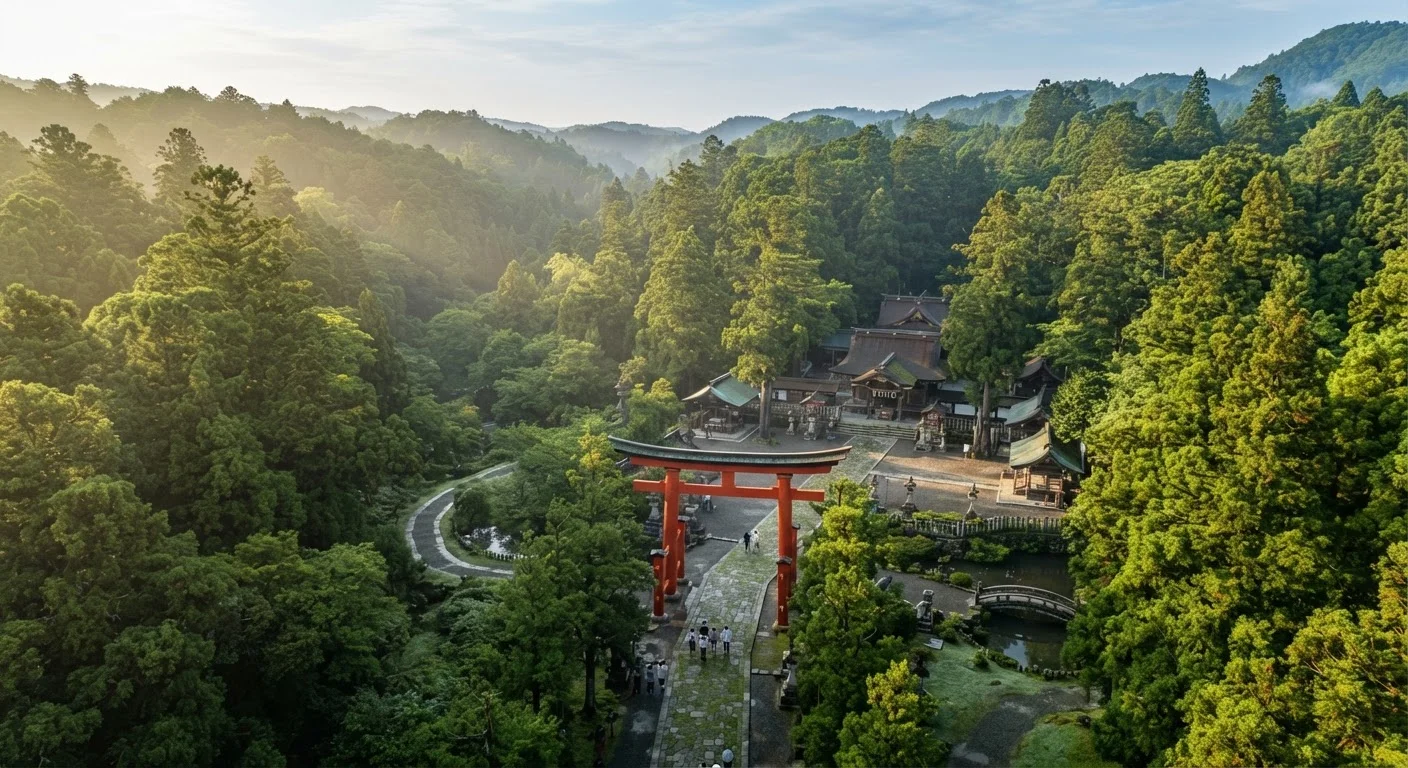
Photo: HorizonMetric.com | One Destination For Everyday Insights editorial
—— In This Article
Key Takeaways
- Social etiquette in Japan is specific and genuinely appreciated when visitors make the effort.
- Japan's train network is one of the most reliable in the world but has a learning curve.
- Cash is still essential in many places — don't rely solely on cards.
- Tokyo and Kyoto offer very different atmospheres; both deserve a place on your itinerary.
- English signage has improved greatly, but learning a few Japanese phrases goes a long way.
- Entry requirements and travel advisories should be verified with official sources before departure.
What Makes Japan Different From Other International Destinations
Japan occupies a unique place in the traveler's imagination — and in reality. Unlike many international destinations where cultural differences are subtle, Japan operates on genuinely distinct social norms, infrastructure logic, and aesthetic values. For first-timers, that distinctiveness is part of the thrill.
The country blends hyper-modern urban environments with centuries-old traditions in ways that feel seamless rather than jarring. Ancient temple districts sit blocks from skyscraper corridors. Convenience stores serve fresh, high-quality food around the clock. Silence on public transit is a matter of collective courtesy, not regulation.
If you're organizing your first international trip, Japan is a surprisingly welcoming destination for beginners — infrastructure is excellent, crime rates are low, and locals are generally patient with visitors who show genuine respect.
Shinkansen
Japan's high-speed bullet train network connecting major cities at speeds up to around 200 mph. It's central to efficient multi-city travel.
IC Card
A rechargeable transit card (like Suica or ICOCA) used to pay for trains, subways, buses, and even some convenience store purchases with a simple tap.
Genkan
The entryway area of a Japanese home or traditional building where you remove your shoes before stepping inside.
Onsen
A hot spring bath, typically fed by natural geothermal water. Visiting an onsen is a beloved Japanese cultural tradition with specific etiquette, including bathing before entering the shared pool.
Izakaya
A casual Japanese gastropub where small dishes and drinks are shared in a relaxed social setting — one of the best ways to experience everyday Japanese food culture.
Japan Rail Pass
A prepaid pass for unlimited travel on most Japan Railways (JR) trains, including the shinkansen, available only to foreign tourists. Compare your planned routes against current pricing to assess value.
Essential Etiquette Every Visitor Should Know
Japanese social etiquette isn't a minefield — it's a system built on mutual respect, and most locals understand that visitors are learning. That said, a few basics go a long way.
- Remove shoes when entering homes and many traditional spaces. Look for a genkan (entryway step) and slippers nearby as your signal.
- Don't eat or drink while walking. Consuming food on the go is considered impolite in most contexts outside of festivals.
- Queue patiently. Whether boarding trains or entering attractions, orderly lines are universal and expected.
- Keep your voice low in public spaces, particularly on trains and in temples.
- Bow when greeting. A slight, respectful nod-bow is appropriate for most tourist interactions — no need for deep formal bows.
Tipping is not practiced in Japan. Attempting to tip can create awkwardness rather than goodwill. A sincere verbal thank-you — arigatou gozaimasu — is far more culturally appropriate.
Learn Five Phrases Before You Land
Even rudimentary Japanese makes a visible difference in how interactions unfold. At minimum, learn: 'Sumimasen' (excuse me/sorry), 'Arigatou gozaimasu' (thank you), 'Eigo ga hanasemasu ka?' (do you speak English?), and how to say your destination phonetically. Effort is noticed and genuinely appreciated.
Getting Around: Japan's Transportation System
Japan's rail network is genuinely world-class — punctual to the minute, clean, and extensive. The shinkansen (bullet train) connects major cities at remarkable speed. For most visitors, a Japan Rail Pass can offer good value for multi-city travel, though it's worth comparing your planned routes against current pass pricing before purchasing.
Within cities, IC cards — rechargeable transit cards such as Suica or ICOCA — simplify subway and local train travel considerably. You tap in, tap out, and the correct fare is deducted automatically. These cards also work at many convenience stores and vending machines.
Getting lost is a real possibility on your first day in Tokyo's subway system, which has over 280 stations on multiple overlapping lines. Offline maps and transit apps (Google Maps works well in Japan) are essential companions. Plan your first transit day with a comfortable buffer of time.
Regional Differences: Tokyo, Kyoto, and Beyond
Japan's regions feel meaningfully different from one another — don't treat the country as a single monolithic experience.
Tokyo is vast, fast-paced, and endlessly layered. Each neighborhood has its own personality: Shibuya for energy and commerce, Yanaka for old-Tokyo calm, Akihabara for electronics and anime culture. Expect sensory overload in the best possible way.
Kyoto is where Japan's historical architecture is most concentrated. Temples, geisha districts, bamboo groves, and traditional tea culture define the city. It's quieter and more deliberate than Tokyo — a different kind of remarkable.
Osaka is known for its food culture and warmer, more outgoing local personality. Hiroshima carries profound historical weight alongside genuine natural beauty. Hokkaido in the north offers dramatic landscapes and winter sports. Each region merits its own attention rather than a rushed day trip.
Crowds Are Seasonal and Predictable
Cherry blossom season (late March to mid-April) and Golden Week (late April to early May) are among the busiest travel periods in Japan. Accommodation in Kyoto during these windows books out months in advance. Traveling in shoulder seasons — late autumn or early winter — often means better availability and a more relaxed pace.
Practical Realities That Surprise American Visitors
A few practical realities consistently catch first-time American visitors off guard:
- Cash dependence
- Japan is still largely cash-based. Many restaurants, shrines, and local shops don't accept cards. Carry enough yen daily, and use 7-Eleven or Japan Post ATMs, which reliably process foreign cards.
- Pocket Wi-Fi or SIM card
- Mobile data is essential for navigation and translation. Rental pocket Wi-Fi units or local data SIM cards can be arranged in advance or collected at major airports upon arrival.
- Garbage cans are rare
- Public trash bins are extremely scarce in Japan. Carry a small bag for your waste — convenience stores have bins at checkout, making them handy pit stops.
- Toilets are impressive
- Many toilets feature heated seats, bidet functions, and sound controls. A brief look at the panel before use prevents accidental surprises.
Before any international departure, running through a thorough pre-departure verification checklist — covering entry requirements, health documentation, and currency — is time very well spent. You may also want to review everything to confirm before you leave home to ensure nothing slips through the cracks.
Verify Entry Requirements Before You Book
Japan's entry rules — including visa policies and any health documentation requirements — can change. Do not rely on outdated blog posts or forum advice. Check directly with the US Department of State travel portal and the official Japanese Embassy website before finalizing plans.
Frequently Asked Questions

Travel Editorial Team
Travel Editorial Team is the collective byline for our editorial team and contributor network. Articles published under this byline or an editorial pen name are researched, written, and reviewed according to our editorial standards for clarity, consistency, and independence before publication.
View author profile