
Southeast Asia as a First International Destination: Honest Pros and Cons
Southeast Asia draws millions of first-time international travelers. Here's a balanced look at what makes it accessible — and what genuinely challenges visitors.
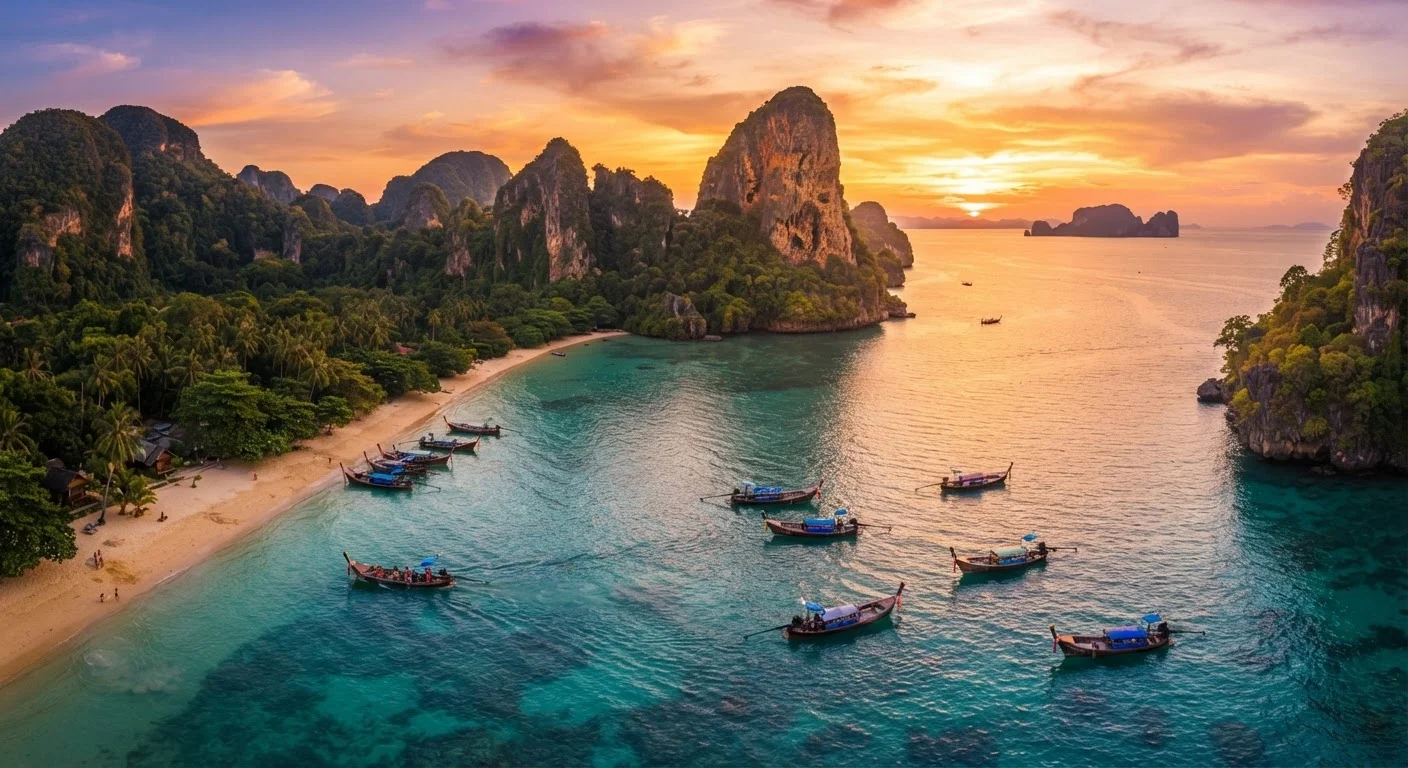
Photo: HorizonMetric.com | One Destination For Everyday Insights editorial
—— In This Article
Key Takeaways
- Southeast Asia offers some of the most affordable travel costs for Americans, including food, lodging, and transport.
- English is widely spoken in tourist areas, lowering the language barrier for first-timers.
- Health risks, visa rules, and food safety require real preparation before you go.
- The region's diversity means one trip barely scratches the surface of what's available.
- Jet lag and long flight times from the US are a genuine logistical challenge to plan around.
Exceptional value for US travelers' budgets
Daily costs in countries like Vietnam and Cambodia can run a fraction of comparable experiences in Europe or Australia. Meals, accommodation, and local transport are widely affordable even in popular tourist areas.
English widely used in tourist corridors
In major cities and popular destinations, English signage, menus, and service are common enough that first-timers rarely feel entirely lost. It's not universal, but the language barrier is lower than in many other international regions.
Extraordinary cultural and landscape variety
A single two-week trip can take in ancient ruins, mountain hill tribes, world-class beaches, and some of the planet's most dynamic street food scenes — all within a relatively compact geographic region.
Well-developed backpacker and tour infrastructure
Decades of international tourism have produced a dense network of hostels, guesthouses, organized tours, and transport links specifically designed to help foreign visitors navigate the region.
Welcoming attitudes toward visitors in most areas
Across much of the region, travelers commonly report feeling genuinely welcomed rather than tolerated. Local hospitality is frequently cited as a highlight of the experience.
Very long flights from the continental US
Flights from the US to Southeast Asia typically run 15–22 hours with connections, often crossing many time zones. Jet lag can meaningfully affect the first several days of a trip if not planned for carefully.
Health precautions require advance planning
Recommended vaccinations, food and water safety practices, and awareness of mosquito-borne illnesses all require preparation before departure, not as an afterthought at the airport.
Visa requirements vary and can be complex
Each country has its own rules — some offer visa-free entry for Americans, others require advance applications or fees. Rules change, and assuming entry is simple without checking official sources is a genuine risk.
Infrastructure quality varies sharply off the tourist trail
Popular destinations have reliable roads, hospitals, and communication networks, but venturing into rural or remote areas can mean genuinely limited services, which matters more for first-time international travelers.
Sensory and cultural adjustment can be intense
Heat, humidity, crowds, noise, and unfamiliar customs combine to create an experience that is exhilarating for many and genuinely overwhelming for some — especially in the first 48 hours.
Why Southeast Asia Captures First-Timers' Imaginations
Every year, countries like Thailand, Vietnam, Indonesia, and the Philippines welcome enormous numbers of first-time international travelers from the United States. The reasons aren't hard to find: ancient temples, striking coastlines, street food that stops you mid-bite, and a warmth of welcome that lingers long after the trip ends. But is the region genuinely a smart first international trip, or is the hype outpacing the reality? We dug into both sides honestly.
If you're still in the early stages of planning, our first-timer's trip planning walkthrough is a great place to start before diving into destination specifics.
The Real Advantages of Starting Here
Southeast Asia earns its reputation as a first-timer-friendly region for several concrete reasons.
Exceptional value for US travelers' budgets
Daily costs in countries like Vietnam and Cambodia can run a fraction of comparable experiences in Europe or Australia. Meals, accommodation, and local transport are widely affordable even in popular tourist areas.
English widely used in tourist corridors
In major cities and popular destinations, English signage, menus, and service are common enough that first-timers rarely feel entirely lost. It's not universal, but the language barrier is lower than in many other international regions.
Extraordinary cultural and landscape variety
A single two-week trip can take in ancient ruins, mountain hill tribes, world-class beaches, and some of the planet's most dynamic street food scenes — all within a relatively compact geographic region.
Well-developed backpacker and tour infrastructure
Decades of international tourism have produced a dense network of hostels, guesthouses, organized tours, and transport links specifically designed to help foreign visitors navigate the region.
Welcoming attitudes toward visitors in most areas
Across much of the region, travelers commonly report feeling genuinely welcomed rather than tolerated. Local hospitality is frequently cited as a highlight of the experience.
~70%
Of backpacker travelers rate SE Asia as 'affordable'
Surveys of international backpackers consistently place Southeast Asia among the top regions for cost-effective travel compared to Western Europe and the Americas.
11
Countries in the Southeast Asia region
The region encompasses eleven distinct nations, each with its own visa rules, language, culture, and travel profile — underscoring the importance of destination-specific research.
Beyond cost, the region's traveler infrastructure is genuinely impressive. Guesthouses, tour operators, and airport signage in popular corridors cater heavily to international visitors. Crossing between Thailand and Vietnam, or island-hopping in the Philippines, is well-trodden ground with plenty of support along the way.
The Honest Challenges You Should Know About
No destination is without friction, and Southeast Asia has its own set of genuine hurdles — particularly for travelers coming from the US.
Very long flights from the continental US
Flights from the US to Southeast Asia typically run 15–22 hours with connections, often crossing many time zones. Jet lag can meaningfully affect the first several days of a trip if not planned for carefully.
Health precautions require advance planning
Recommended vaccinations, food and water safety practices, and awareness of mosquito-borne illnesses all require preparation before departure, not as an afterthought at the airport.
Visa requirements vary and can be complex
Each country has its own rules — some offer visa-free entry for Americans, others require advance applications or fees. Rules change, and assuming entry is simple without checking official sources is a genuine risk.
Infrastructure quality varies sharply off the tourist trail
Popular destinations have reliable roads, hospitals, and communication networks, but venturing into rural or remote areas can mean genuinely limited services, which matters more for first-time international travelers.
Sensory and cultural adjustment can be intense
Heat, humidity, crowds, noise, and unfamiliar customs combine to create an experience that is exhilarating for many and genuinely overwhelming for some — especially in the first 48 hours.
Visa and Entry Rules Change Frequently
Several Southeast Asian countries have adjusted their visa policies in recent years, sometimes with little advance notice. What was visa-free entry for Americans one year may require an advance application the next. Always check the official website of the destination country's immigration authority and the US State Department's country information pages before booking — not just travel blogs or forum posts, which may be out of date.
Beyond logistics, cultural adjustment is real. Dress codes at temples, different norms around bargaining, and the sheer sensory intensity of major cities can be overwhelming at first. That's not a reason to avoid it — but it is a reason to go in with open eyes rather than postcard-perfect expectations.
What to Know Before You Book
Entry requirements, visa rules, and recommended vaccinations vary significantly by country and by your personal health history. Always verify current entry requirements through official government sources — both the US State Department and the destination country's official immigration authority — before purchasing any travel. Conditions can change, and information available online (including here) may not reflect the most current rules.
Similarly, consult a healthcare provider or travel medicine clinic well ahead of your trip about any recommended or required vaccinations for the specific countries you plan to visit. Southeast Asia does present certain health considerations — from food and water safety to mosquito-borne illnesses — that are manageable with the right precautions but shouldn't be ignored.
Travel insurance is strongly worth considering for any international trip, covering medical evacuation, trip interruption, and unexpected costs. Read policy terms carefully to understand what is and isn't covered.
This article provides general travel information only. Always verify visa, health, and safety requirements with official government and healthcare sources before traveling.

Travel Editorial Team
Travel Editorial Team is the collective byline for our editorial team and contributor network. Articles published under this byline or an editorial pen name are researched, written, and reviewed according to our editorial standards for clarity, consistency, and independence before publication.
View author profile