
Layovers: Transit Nuisance or Worthwhile Stop?
Understand when a long layover is a genuine opportunity versus a logistical risk, and how connection times affect your travel day.
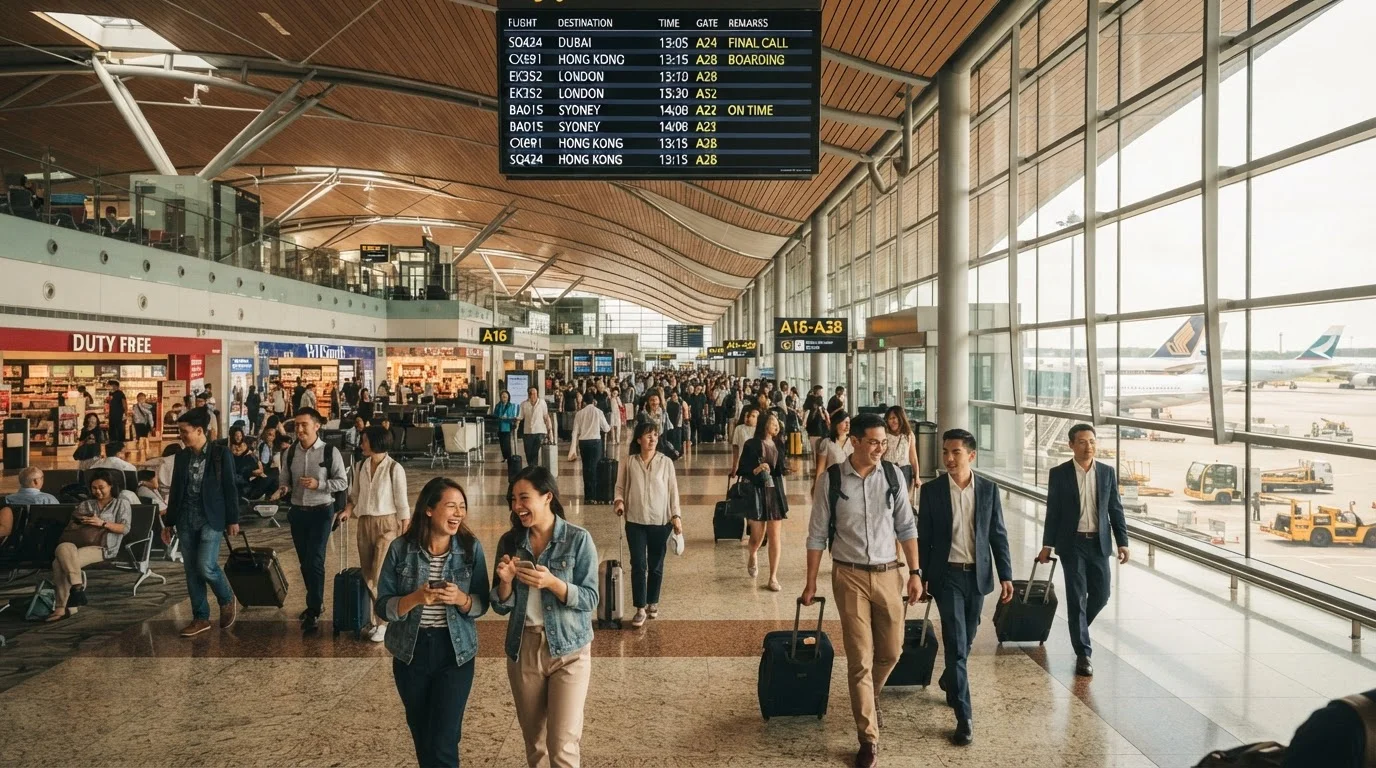
Photo: HorizonMetric.com | One Destination For Everyday Insights editorial
—— In This Article
Key Takeaways
- Short layovers under 60 minutes carry real risk of missed connections, especially with customs or terminal changes.
- Long layovers of 4–8 hours can double as mini city visits if the airport is conveniently located.
- Booking a single itinerary (rather than separate tickets) gives you more protection when connections are tight.
- Airport amenities, visa requirements, and terminal layout vary dramatically between hubs.
- Fatigue and unpredictability are the biggest downsides of multi-stop itineraries.
Lower fares compared to direct routes
Connecting flights are frequently priced below nonstop options on the same route, sometimes significantly so. That savings can be meaningful on long-haul international travel.
Access to destinations with no direct service
Many smaller cities or regional airports can only be reached by connecting through a hub. A layover is simply the reality of getting there.
Opportunity to explore a transit city
A layover of four hours or more at a well-located international airport can allow a brief city visit, turning a connection into a bonus destination.
Built-in rest break on very long journeys
On ultra-long-haul routes, a planned stopover can break up flight fatigue and let travelers stretch, eat a proper meal, and reset before the next leg.
Tight connections risk missed flights
Short connection windows leave little margin for delays, gate changes, or slow deplaning. Missing a connection can add hours — or an entire day — to a journey.
Customs and immigration add complexity
International layovers requiring entry into a country add passport control, baggage re-check, and security screening, all of which consume time and energy.
Visa requirements for the transit country may apply
Some nationalities require a transit or entry visa even when not leaving the airport. Always verify requirements with official government sources well ahead of travel.
Cumulative travel fatigue increases significantly
Each additional airport, boarding process, and time-zone shift adds physical and mental fatigue, which can affect the first days of a trip.
Baggage handling errors are more likely
Every additional connection is another point where checked luggage can be misdirected or delayed, particularly on tight connections or when airlines change equipment.
What Counts as a Layover — and Why It Matters
A layover is any scheduled stop between your origin and destination where you board a different flight. They range from tight 45-minute connections to overnight stops that put you in a new city for nearly a full day. Airlines and booking platforms don't always make the distinction obvious, so it pays to read the itinerary carefully before confirming.
The critical distinction is whether your flights are on a single booking or separate tickets. On a single itinerary, the airline is responsible for getting you to your next flight if the first leg runs late. With separate tickets, you carry all the risk yourself — a missed connection means buying a new ticket out of pocket. That single factor shapes how much buffer time you actually need.
Single Itinerary vs. Separate Tickets
When flights are booked as one itinerary, the airline is generally responsible for rebooking you if a delay causes a missed connection. Booking two separate tickets removes that safety net entirely — any disruption to the first flight leaves you managing (and paying for) the next leg on your own. This distinction is worth clarifying in the booking confirmation before you finalize any multi-stop trip.
The Real Advantages of a Layover
It's easy to see layovers as pure inconvenience, but they come with genuine upsides — especially when planned for rather than simply endured.
Lower fares compared to direct routes
Connecting flights are frequently priced below nonstop options on the same route, sometimes significantly so. That savings can be meaningful on long-haul international travel.
Access to destinations with no direct service
Many smaller cities or regional airports can only be reached by connecting through a hub. A layover is simply the reality of getting there.
Opportunity to explore a transit city
A layover of four hours or more at a well-located international airport can allow a brief city visit, turning a connection into a bonus destination.
Built-in rest break on very long journeys
On ultra-long-haul routes, a planned stopover can break up flight fatigue and let travelers stretch, eat a proper meal, and reset before the next leg.
For travelers curious about a city they've never visited, a long layover at a well-connected hub can function as a free add-on destination. Amsterdam Schiphol, Singapore Changi, and Tokyo Narita all sit close to their city centers and have streamlined transit visa processes (verify entry requirements with official government sources before you travel). Check out our guide to making the most of a layover city for practical city-by-city tips.
The Downsides Worth Taking Seriously
For every traveler who turned a four-hour Frankfurt stop into a cathedral visit, another missed their connection or spent the day napping on a terminal bench. The risks are real and worth mapping out honestly.
Tight connections risk missed flights
Short connection windows leave little margin for delays, gate changes, or slow deplaning. Missing a connection can add hours — or an entire day — to a journey.
Customs and immigration add complexity
International layovers requiring entry into a country add passport control, baggage re-check, and security screening, all of which consume time and energy.
Visa requirements for the transit country may apply
Some nationalities require a transit or entry visa even when not leaving the airport. Always verify requirements with official government sources well ahead of travel.
Cumulative travel fatigue increases significantly
Each additional airport, boarding process, and time-zone shift adds physical and mental fatigue, which can affect the first days of a trip.
Baggage handling errors are more likely
Every additional connection is another point where checked luggage can be misdirected or delayed, particularly on tight connections or when airlines change equipment.
Fatigue compounds quickly on long itineraries, particularly when layovers fall overnight or span multiple time zones. If you're traveling with young children, pets, or mobility needs, the added complexity of navigating a second airport environment can significantly raise stress levels — even when everything runs on schedule.
How to Decide What's Right for Your Trip
The smart move is to match the layover length to both the airport and your personal priorities. For domestic connections within the US, most travel experts suggest at least 60–90 minutes as a comfortable minimum. For international itineraries involving customs and immigration, two hours or more is commonly recommended — though the right answer depends on the specific airports involved.
Ask yourself a few practical questions before booking: Does the connection require clearing customs or switching terminals? Is the airport known for delays in certain seasons? Are you on a single itinerary or separate tickets? If you're still weighing whether to book early for the best routing or wait for different options, understanding the trade-offs of booking timing can sharpen that decision too.
~20%
US flights arriving late in a typical year
The US Bureau of Transportation Statistics consistently tracks on-time performance, with roughly one in five flights arriving behind schedule in most recent reporting years.
2+ hours
Recommended minimum for international connections
Most airline and travel planning guidance suggests at least two hours between international flights to allow for immigration, customs, and re-security screening.
Ultimately, a layover is what you make of it. Approach a long one with a simple plan — even just a good airport meal and a quiet lounge — and it transforms from dead time into a genuine rest point.

Travel Editorial Team
Travel Editorial Team is the collective byline for our editorial team and contributor network. Articles published under this byline or an editorial pen name are researched, written, and reviewed according to our editorial standards for clarity, consistency, and independence before publication.
View author profile