
Unusual Planning Details That Seasoned Travelers Never Skip
A curated look at the less obvious pre-trip steps—time zone prep, medication logistics, communication plans—that prevent avoidable problems.
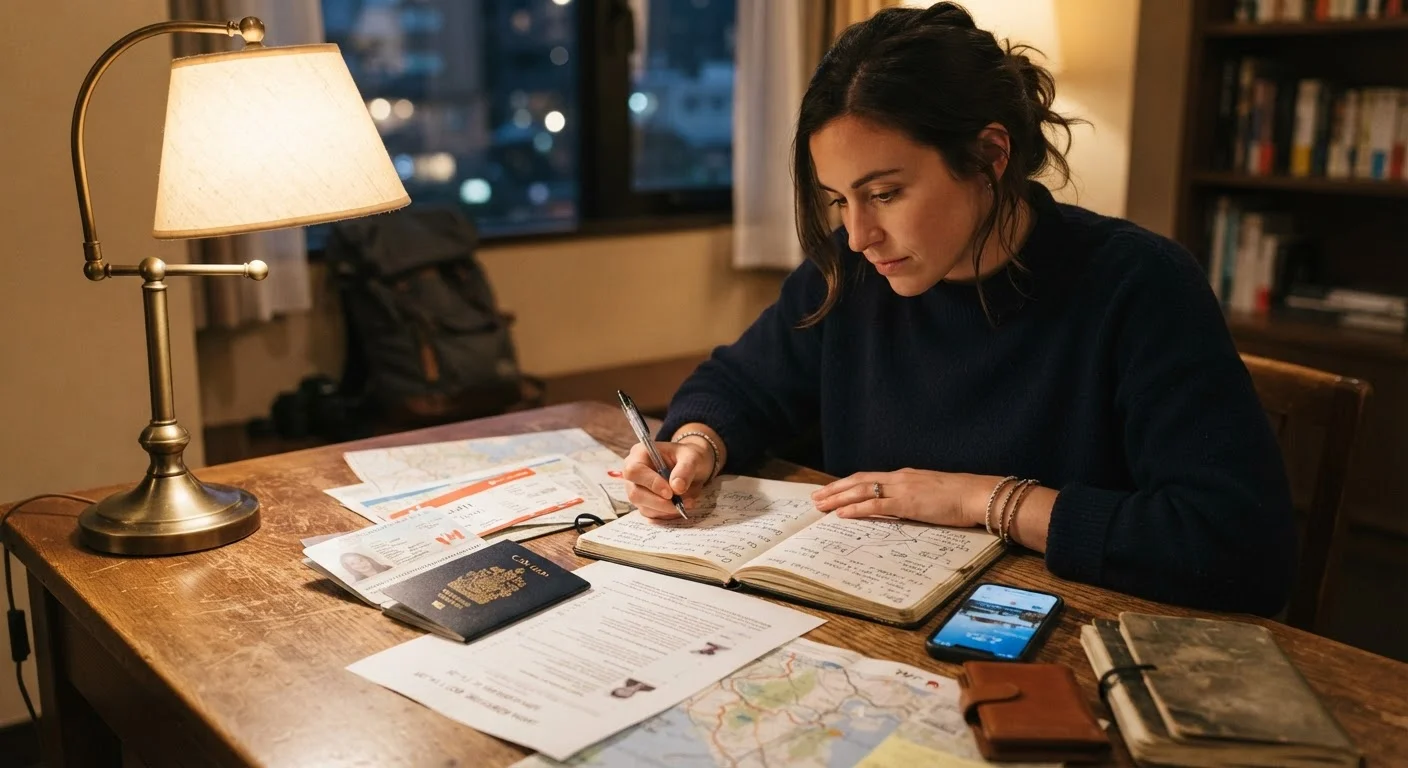
Photo: HorizonMetric.com | One Destination For Everyday Insights editorial
Key Takeaways
- Adjusting to a destination's time zone before departure reduces jet lag significantly.
- Medication logistics—quantities, documentation, and storage—require advance planning for any trip.
- A clear communication plan protects solo and group travelers when connectivity is unreliable.
- Knowing local emergency numbers and your accommodation's address in the local language can prevent crisis delays.
- Entry requirements and health documentation can change; verify with official sources before every trip.
- Small planning gaps—like overlooking banking notifications—cause surprisingly large travel disruptions.
The Planning Details That Don't Make Most Checklists
Most travelers cover the obvious ground: book flights, reserve accommodation, pack bags. But seasoned travelers know a second layer of preparation exists—quieter, less glamorous, and almost never mentioned in standard travel guides. These are the details that don't announce themselves as important until something goes wrong mid-trip.
The good news is that none of these steps are complicated. They just require thinking a step ahead of the moment you're in. Whether you're heading abroad for the first time or adding another stamp to a well-worn passport, the habits below are worth building into every trip you plan. For a comprehensive look at the full planning process, see our end-to-end trip planning guide.
Start adjusting your sleep schedule before departure
Jet lag is real, but its worst effects are largely preventable with gradual preparation. In the days before a long-haul flight, experienced travelers shift their sleep and wake times incrementally toward the destination's time zone—sometimes by as little as 30 minutes per day. This reduces the shock of arriving exhausted and helps your body clock align faster once you land.
Even a two- or three-day adjustment before departure can mean the difference between spending your first full day sightseeing and spending it horizontal. Light exposure timing matters too: seek morning light if you're traveling east, evening light if heading west.
Shifting sleep by just 30 minutes a day before departure meaningfully reduces jet lag on arrival.
Sort out medication logistics well in advance
Travelers who take prescription or over-the-counter medications often underestimate how much pre-trip coordination is involved. Quantity is the first consideration—carry more than you expect to need, since refilling a prescription in another country or state can be complicated or impossible on short notice.
For international travel, carrying medications in their original labeled packaging and bringing a letter from your prescribing physician explaining your treatment is widely recommended. Some medications that are routine in the US are controlled or prohibited in certain destinations. Always verify with the destination country's embassy or official health authority well before departure. For general health preparation questions, consult a qualified healthcare professional.
A physician's letter explaining your prescriptions can prevent serious delays at international borders.
Set up a communication plan before you lose signal
It's easy to assume your phone will work everywhere. It often doesn't—or it works expensively. Seasoned travelers decide before departure how they'll stay reachable: an international plan, a local SIM, or a messaging app that works over Wi-Fi. They also share their itinerary with someone at home, including accommodation names, addresses, and check-in dates.
For solo travelers especially, a simple daily check-in protocol—even just a brief message to a trusted contact—adds a meaningful safety layer without requiring elaborate technology. Solo and group trips have very different communication demands, and planning for that gap in advance is worth the ten minutes it takes.
Deciding how you'll communicate before you lose signal is a simple habit with significant safety payoff.
Learn the local emergency numbers and save your accommodation's address
Emergency services in the US use 911—but that number doesn't work in most other countries. In the EU it's 112; in Japan it's 110 for police and 119 for medical. Knowing the correct number before you need it takes seconds to look up and can be genuinely critical in a stressful situation.
Similarly, having your hotel or rental address saved in the local language—not just transliterated—means you can show it to a taxi driver or local if you're disoriented. Screenshots work when internet access doesn't. This is especially useful in destinations where street addresses are formatted or referenced differently than in the US.
Emergency numbers vary by country — look them up before you need them, not after.
Notify your bank and review your card's foreign transaction setup
Few travel disruptions are more jarring than having your card declined at a restaurant abroad because your bank flagged overseas spending as suspicious. Most financial institutions allow you to set a travel notification specifying your destination and travel dates. This small step takes a few minutes and prevents a surprisingly common problem.
At the same time, review whether your card charges foreign transaction fees—typically 1–3% per purchase—and whether you have a backup payment method. This is general financial information; for advice specific to your accounts and situation, check directly with your financial institution.
A quick bank travel notification prevents the jarring experience of a declined card in a foreign city.
Verify entry requirements directly with official sources
Visa rules, vaccination documentation requirements, and entry conditions change—sometimes with little public notice. Even destinations that previously required no documentation can introduce new rules. Relying on travel blogs or forum posts from a year ago is a common and avoidable mistake.
Before any international trip, check the destination country's official government or embassy website, and verify your own government's travel advisory for that destination. Our pre-departure verification checklist walks through exactly what to confirm and where to look. Don't treat entry requirements as settled until you've checked a primary source close to your departure date.
Entry requirements can change quickly — official sources, not travel forums, should be your final check.
Making These Habits Stick
None of these steps take more than a few minutes individually, but collectively they represent the difference between traveling confidently and troubleshooting preventable problems. The most experienced travelers don't necessarily plan more—they plan more deliberately, targeting the friction points that catch others off guard.
Build a simple pre-trip document file
Keep a single folder—digital or physical—with copies of your passport, insurance details, accommodation confirmations, and your physician's medication letter if applicable. Share digital access with a trusted person at home. If your phone is lost or stolen, this backup becomes invaluable. Five minutes of organization before departure can save hours of stress during it.
If you're also questioning which popular planning assumptions are worth following, our piece on common travel planning myths is a useful companion read. And when you're ready to build an itinerary around these smarter habits, structuring a trip that leaves room to breathe can help you put it all together.

Travel Editorial Team
Travel Editorial Team is the collective byline for our editorial team and contributor network. Articles published under this byline or an editorial pen name are researched, written, and reviewed according to our editorial standards for clarity, consistency, and independence before publication.
View author profile