
What Passports, Visas, and Entry Requirements Actually Mean
A clear breakdown of travel document terminology—validity rules, visa types, and why entry requirements vary—so you know what to check.
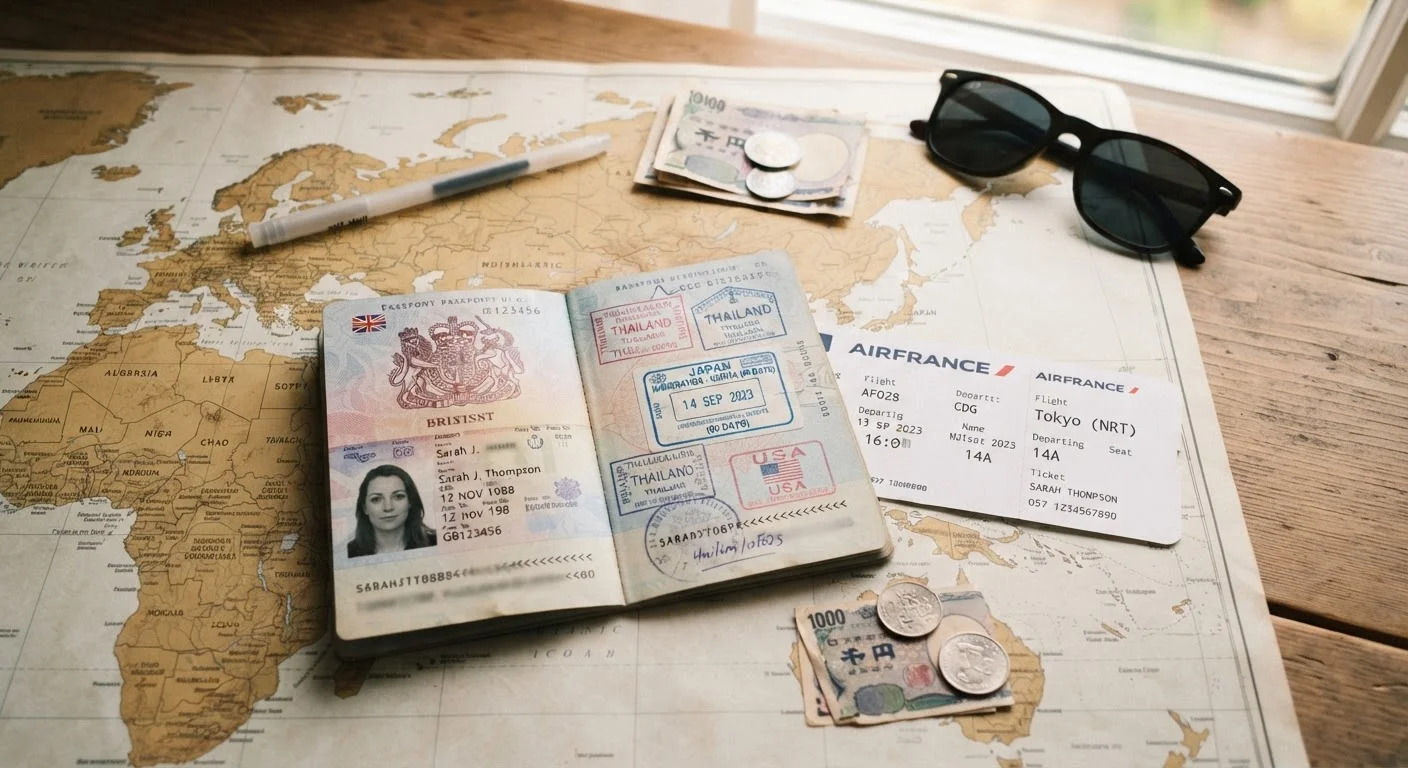
Photo: HorizonMetric.com | One Destination For Everyday Insights editorial
—— In This Article
Your Passport: More Than Just an ID
A passport is your government-issued proof of citizenship and your primary international identity document. But travelers often misunderstand what makes one valid for travel beyond its expiration date.
Many countries require your passport to remain valid for six months beyond your planned departure date — not just the day you arrive. If you're traveling in October and your passport expires in January, several destinations will turn you away, even if your trip ends well before then. Always check destination-specific rules.
Passport validity rules also affect visa applications. Most visa-issuing authorities require the same six-month buffer. Start the renewal process well in advance of your trip — U.S. routine passport renewals can take several weeks or longer during peak periods.
| Common passport validity buffer required | 6 months beyond travel dates (Standard requirement across many countries; always verify per destination) |
| U.S. passport renewal wait time (routine) | Several weeks or more (U.S. Department of State — processing times vary seasonally) |
| eTA vs. visa | eTAs are digital pre-approvals; traditional visas may be stamped or affixed |
| Transit visa | May be required even for layovers — check before booking connections |
| Who sets entry requirements | Each destination country's government, independently |
Visas Explained: Permission to Enter
A visa is official authorization — issued by a foreign government — permitting you to enter, stay, and sometimes work within their borders. There are several common types worth knowing:
- Tourist visa: Short-stay permission for leisure travel, typically 30–90 days.
- Business visa: Allows attendance at meetings and conferences, but usually not paid employment.
- Transit visa: Required by some countries even if you're just changing planes at their airport.
- Electronic Travel Authorization (eTA): A pre-approval system used by countries like Canada and Australia — not technically a visa stamp, but required before boarding.
- Visa on arrival: Issued at the port of entry rather than obtained in advance at a consulate.
Whether you need a visa at all depends on your passport's nationality, not your residence. A U.S. passport grants visa-free or visa-on-arrival access to many countries, but that list changes — verify with official sources before booking.
Passport validity
The period during which your passport is officially recognized as a travel document. Many countries require validity to extend six months beyond your departure date.
Visa
Official authorization from a foreign government allowing you to enter their country for a specified purpose and duration.
Electronic Travel Authorization (eTA)
A digital pre-entry requirement used by some countries instead of a physical visa. It must be obtained before boarding and is linked electronically to your passport.
Visa on arrival
A visa issued at the port of entry rather than applied for in advance at a consulate. Eligibility varies by passport nationality and destination.
Proof of onward travel
Documentation showing you have a confirmed plan to leave the country — typically a return ticket or a connecting itinerary.
Transit visa
A visa required by some countries for travelers who are only passing through — even without formally entering — typically during a layover.
Entry Requirements: The Bigger Picture
Visas and passports are just part of the entry equation. Depending on your destination, border officers may also review:
- Proof of onward travel: A return ticket or itinerary showing you plan to leave.
- Proof of sufficient funds: Bank statements or a credit card to demonstrate you can support yourself during your stay.
- Health documentation: Vaccination records or health certifications, particularly relevant in some regions.
- Customs declarations: Declarations of cash, goods, or restricted items you're carrying.
Entry requirements are set by each country's government and can change due to diplomatic shifts, public health developments, or policy updates. No travel resource — this article included — can guarantee that requirements won't shift between now and your trip. Always verify through the destination country's official immigration website or your government's foreign travel advisory before departing.
Building a solid pre-trip verification habit is genuinely valuable. See our pre-departure checklist for a structured walk-through of what to confirm before any international trip. And while you're planning, don't overlook the financial side — our guide on where travel money actually goes can help you plan realistically.
Requirements Can Change Without Notice
Entry rules are determined by sovereign governments and can be updated quickly due to diplomatic, health, or security developments. No third-party source — websites, apps, or articles — is a substitute for checking the official immigration portal of your destination country and your own government's travel advisory. Do this close to your departure date, not just when you book.

Travel Editorial Team
Travel Editorial Team is the collective byline for our editorial team and contributor network. Articles published under this byline or an editorial pen name are researched, written, and reviewed according to our editorial standards for clarity, consistency, and independence before publication.
View author profile