Home - Pets - 14 Ingredients For Managing Flea And Tick Infestations In Dogs
14 ingredients for managing flea and tick infestations in dogs

14 ingredients for managing flea and tick infestations in dogs

Managing tick and flea infestations in dogs is vital to ensuring their well-being. Here, home-based tick and flea repellents can be a gentle and cost-effective alternative to harsh chemical products commonly used to kill pests. Some at-home ingredients and products can help keep pests at bay without harming dogs or their surroundings. So, here are a few readily available kitchen ingredients that can help in getting rid of ticks and fleas living on dogs:

1. Apple cider vinegar
ACV is a versatile remedy considered safe to be applied on dogs. Its acidic nature can create an unwelcome environment for ticks and fleas. Here, one can mix equal parts ACV and water in a spray bottle and gently mist the dog’s fur, avoiding sensitive areas like the eyes. This solution not only repels pests but also alleviates skin irritation while giving the dog a healthy, shiny coat.

2. Coconut oil
Popular for its moisturizing properties, coconut oil can be a handy kitchen ingredient for tackling tick and flea infestations. Rich in lauric acid, coconut oil can be used topically on a dog’s coat to keep pests at bay or added to the pet’s meals to boost their skin health. So, the oil can repel pests and fortify the skin.

3. Neem oil
Extracted from the seeds of neem trees, neem oil is a natural pesticide and anti-fungal agent. To create a neem oil spray, one can add a few drops of neem oil to a carrier oil like coconut oil. Then, one can apply this mixture to the dog’s coat, avoiding sensitive areas. Neem oil repels pests, soothes irritated skin, and prevents future infestations.

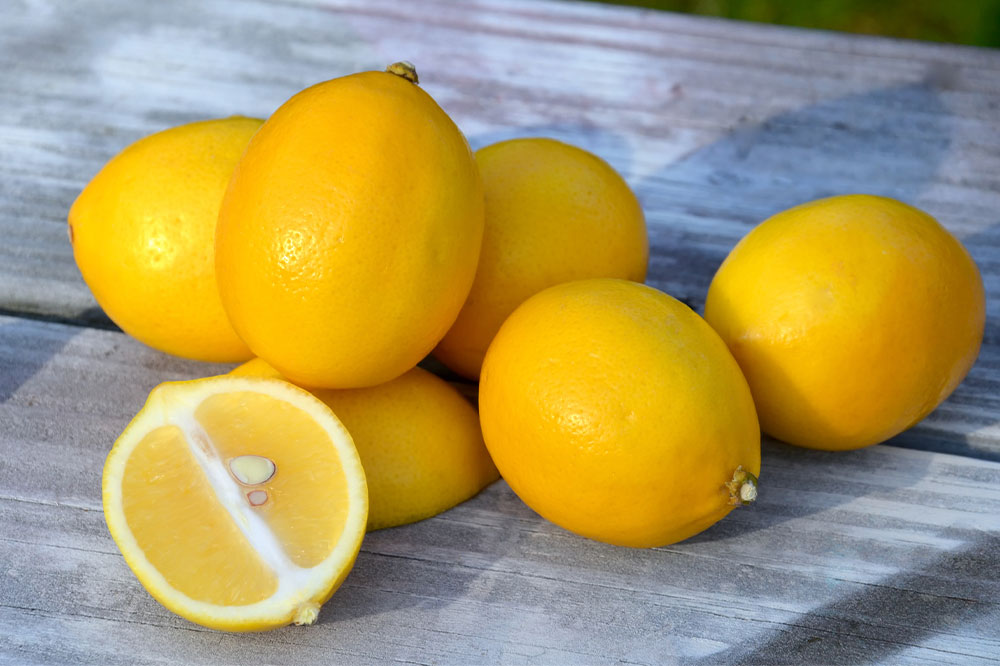
4. Lemon
Lemon juice can repel ticks and fleas. To make a spray, one can add thin lemon slices to hot water and let the solution cool. Upon transferring the solution to a spray bottle, one can apply it to the dog’s coat. This solution can leave behind a pleasant scent.

5. Rosemary
Rosemary, a fragrant herb, acts as a natural repellent for pests. One can steep fresh or dried rosemary in hot water, cool it, and spritz the dog’s coat with the solution, focusing on areas prone to infestations.

6. Garlic
While garlic can be toxic for dogs when ingested in large amounts, the ingredient can create an environment that ticks and fleas would want to avoid. One can use garlic-infused oils sparingly to repel pests.

7. Food-grade diatomaceous earth
Diatomaceous earth is a fine powder that can kill ticks and fleas. However, one should only opt for food-grade diatomaceous earth here. One can sprinkle the power in the areas frequented by a pet. However, one should wear a mask when sprinkling the powder to avoid inhalation.

8. Oregano oil
Oregano oil contains antibacterial and antifungal properties and carvacrol, a natural insect repellent. A few drops of oregano oil can be added to a carrier oil and applied to the dog’s collar or used around the home as a spray. 

9. Cedar oil
Cedar oil is a natural repellent extracted from cedar trees. It disrupts the neurotransmitters of ticks and fleas, getting rid of them. One can consider using cedar oil sprays or shampoos designed for dogs. 

10. Aloe vera
Aloe vera, known for its soothing properties, can alleviate discomfort caused by tick and flea bites. One can apply fresh aloe vera gel to the affected areas of the dog’s coat to help the bites heal and reduce inflammation.

11. Citrus peels
Citrus peels, such as those of oranges and grapefruits, contain natural oils that can repel pests. One can make a spray by boiling citrus peels in water and transferring the solution to a spray bottle after it has cooled. Then, one can lightly spray the solution on the dog’s coat, avoiding its eyes and other sensitive areas.

12. Castor oil
Castor oil spray, containing water and a few drops of oil, can repel fleas and ticks. This solution can also be applied to the dog’s fur. 

13. Chamomile
Due to its anti-inflammatory and calming properties, chamomile can soothe skin irritation brought on by tick and flea bites. One can prepare chamomile tea, let it cool, and use it as a gentle spray or compress on affected areas.

14. Lavender oil
Lavender oil has a pleasant fragrance and calming properties. Further, it can repel ticks and fleas, making it a favorite among pet owners. One can use a lavender oil spray (diluted in water) and apply it to the dog’s bedding or collar to keep pests away.

When dealing with a flea or tick infestation, one should consult a veterinarian before trying any home remedy to ensure it is safe for dogs.
Latest Articles

4 hair styling tools that give a salon-like look
Beauty

4 hair styling tools that give a salon-like look

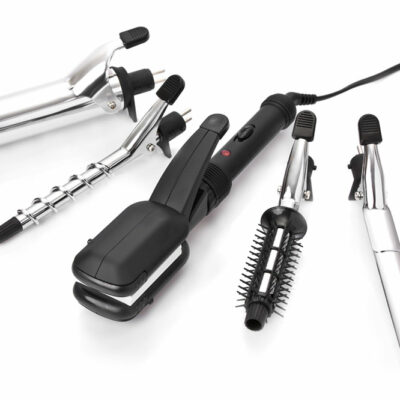
If you like to style your hair frequently without having to spend money at salons, you can invest in some basic hair styling tools. These tools can create beach waves or curls or even straighten them out. There are many hair styling tools that are versatile, easy to use, and do little or no damage to your hair. If you want to invest in hair styling tools, here are a few tools to check out: Hair straightener and curler Combining a hair straightener and curler that is suitable for all hair types allows you the freedom to try out trending hairstyles. Look for a professional straightener or curler with a ceramic or copper flat iron. Choose a flat iron that allows you to control the temperature so that you don’t damage your hair. Experts claim that setting the straightener or curler to temperatures as high as 455 degrees can help straighten the most challenging and rigid curls. The copper ceramic tools also ensure that the hair doesn’t break while you are straightening, leaving your hair straight and smooth once you are done. You can also choose regular and smart Bluetooth straighteners to help you choose the best temperature and care settings every time you use the tool. Hot air brush Hot air brushes combine a hairbrush with a flat iron and blow dryer. Choose the desired heat setting and gently brush your damp hair. It is essential to remember a hot air brush cannot be used on wet hair or right after your shower; your hair needs to be dry by at least 80%. It works well with mildly damp hair. The bristles in the hairbrush guide your hair, and the heated plates smooth and polish it. You no longer need to use a hair dryer to dry your hair after a shower and then use a straightener.
8 effective remedies for nasal polyps
Health

8 effective remedies for nasal polyps

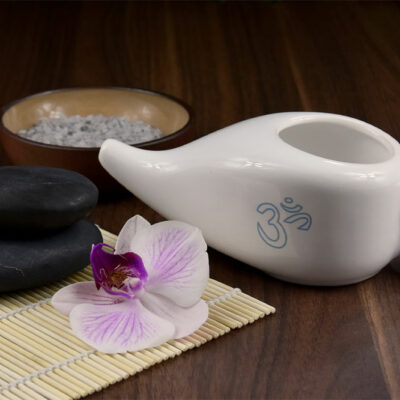
Nasal polyps are tiny tear-shaped growths in the nose and sinuses, usually brought on by asthma, infection, allergies, or other kinds of inflammation. These polyps are usually painless and non-cancerous, however, they can be big enough to cause itchiness, breathing difficulties, sneezing, and running nose. Doctors usually prescribe nasal sprays that can relieve the symptoms and get rid of the polyps. However, one can also try a few natural remedies to deal with the condition: Neti pot (or nasal irrigation) Neti pot is a popular and convenient nasal irrigation device. All one has to do is fill this container with saline solution or add 1–2 tsp salt to distilled water or boiled (and then cooled) tap water. Then, one would have to lean over a washbasin or a sink and tilt their head sideways so that the liquid does not flow back into the mouth. One would have to breathe through the mouth, insert the spout into the upper nostril and allow the fluid to drain from the lower nostril. Then the nostrils will have to be cleaned by blowing the nose to remove mucus and dirt. This process should be repeated through the other nostril. The goal is to loosen and clear the mucus and debris like dust or pollen from the nasal cavity. Using a neti pot twice a day can help improve symptoms of nasal polyps. The container and hands have to be clean and dry to prevent infection. Steam inhalation In the absence of a nasal irrigation device, one can use steam to relieve nasal congestion, headaches, and other symptoms. People can boil some water in a pot or dish, place it on a counter or the dining table right in front of them as they sit in a comfortable position, and inhale the steam for a while.
4 foods that are surprisingly bad foods for diabetics
Health

4 foods that are surprisingly bad foods for diabetics

Many foods are portrayed to be the best for diabetics, but it would be surprising to know that even wholesome foods could cause a spike in sugar levels if the portion size is not moderated. Food choices truly matter when a person has diabetes. Under normal circumstances, one would think that these foods aid in better health and maintain sugar levels, but they don’t. Here are four surprisingly bad foods for those with diabetes: Brown rice While brown rice certainly has more fiber than white rice, a single cup of brown rice contains nearly 50 grams of carbohydrates. This can easily be broken into glucose which could spike the sugar levels. The alternative would be to cut down on rice and add more green leafy vegetables. Fresh fruit juice It does not matter if one opts for seasonal juice or those that claim that they have no extra sugar added. If we take an orange as fruit and look at its nutrient content, it has about 15 grams of carbohydrates, vitamins, and fiber. An orange juice, on the contrary, has 45 grams of carbohydrates and less of other nutrients. Therefore, drinking juice is not the same thing as eating fruit.   Dried fruits If one thinks having a raisin is healthier than a chocolate cookie, think again. Raisins contain 1 gram of carb more than what is available in a chocolate cookie. That said, they are undoubtedly wholesome compared to a cookie. However, both of them would result in a spike in blood sugar. The same holds good for cranberries and apricots. Yogurt Yogurt offers a plethora of health benefits, including probiotics for gut health. However, they are heavily processed and contain a wallop of 30 grams of sugar, even in the best of the brands. Ensure to read the ingredient before buying one.