
Common Nutrition Myths That Keep Circulating on Social Media
From 'carbs are bad' to 'detox cleanses reset your system' — separating popular nutrition claims from what the evidence supports.
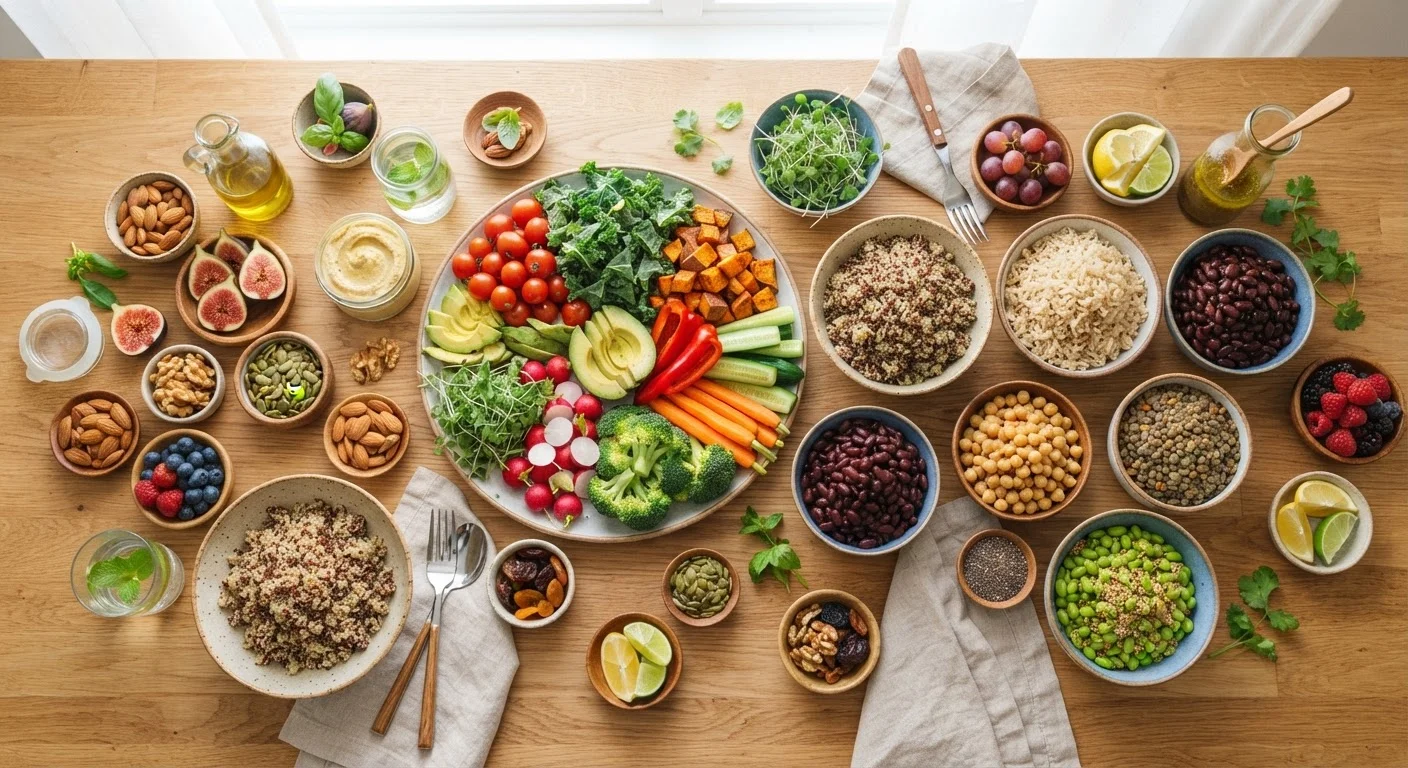
Photo: HorizonMetric.com | One Destination For Everyday Insights editorial
—— In This Article
Key Takeaways
- Carbohydrates are not inherently fattening; food quality and overall diet pattern matter more.
- The liver and kidneys handle detoxification naturally — commercial cleanses don't improve this process.
- Eating at night doesn't automatically cause weight gain; total daily calorie balance is what counts.
- Frozen and canned produce can be just as nutritious as fresh, making healthy eating more affordable.
Why Nutrition Myths Spread So Easily
Social media moves fast, and nutrition content travels especially well — a bold claim about cutting carbs or drinking lemon water at dawn can rack up millions of views before a registered dietitian has a chance to weigh in. The result is a steady stream of oversimplified rules that sound convincing but often lack meaningful scientific support.
This article walks through some of the most persistent nutrition myths circulating online and explains what the evidence actually shows. For more on how established diet ideas have shifted over time, see how older diet ideas have been revised as research has evolved. You can also explore the broader Nutrition & Diet hub for practical, evidence-based eating guidance.
This article is for general informational purposes only and is not a substitute for advice from a qualified healthcare professional or registered dietitian.
Myths Debunked
Each myth below reflects a claim that circulates widely online. The corrections draw on current mainstream nutrition research — not any single study, but the broader weight of evidence.
Myth
Carbs are bad for you and cause weight gain.
Fact
Carbohydrates are a primary energy source for the body and brain. Type and portion matter far more than the macronutrient itself.
Whole food carbohydrate sources — oats, legumes, vegetables, whole grains — provide fiber, vitamins, and sustained energy. Refined carbohydrates consumed in large quantities are a different story, but painting all carbs with the same brush leads people to cut nutrient-dense foods unnecessarily. Understanding what carbohydrates do helps frame this more clearly.
Myth
Detox cleanses and juice fasts reset your system and remove toxins.
Fact
The liver and kidneys are your body's built-in detox system. No commercial cleanse meaningfully improves or accelerates that process.
The term "detox" in a commercial context is largely marketing language. Your liver continuously filters waste products and metabolizes substances; your kidneys excrete them. Short juice fasts may reduce calorie intake temporarily, but there is no credible clinical evidence they remove specific toxins or "reset" organ function in healthy individuals.
Myth
Eating after 8 p.m. automatically causes weight gain.
Fact
Weight change is determined by total energy balance over time — not the clock on the wall when you eat.
Late-night eating gets blamed partly because snack choices late at night tend to be calorie-dense. But the body does not switch into a fat-storage mode at a fixed hour. What you eat and how much you eat across the full day is what matters. Meal timing can be a useful personal strategy for some people, but it's not a biological law.
Myth
Fresh produce is always more nutritious than frozen or canned.
Fact
Frozen and canned vegetables and fruits are often nutritionally comparable — and sometimes more consistent in quality than out-of-season fresh options.
Frozen vegetables are typically flash-frozen shortly after harvest, which preserves vitamins well. Canned options can be equally solid — choosing low-sodium or no-added-salt varieties where available keeps them a strong budget-friendly choice. For busy households, leaning on frozen and canned staples is a practical path to consistent, affordable nutrition.
Myth
You need to eat many small meals throughout the day to keep your metabolism running.
Fact
Meal frequency has a minimal effect on metabolic rate for most people. Total daily nutrition matters more than how it's divided.
The idea that eating every two hours "stokes your metabolism" is popular online but not well-supported by the broader nutrition literature. Factors like muscle mass, physical activity, sleep, and total caloric intake are far stronger drivers of metabolism than eating frequency. How many meals a day works best is largely a personal preference and lifestyle question.
Myth
All dietary fat makes you fat and is bad for your heart.
Fact
Fat is an essential macronutrient. The type of fat — not simply its presence — is what nutrition science focuses on.
Unsaturated fats found in foods like avocados, nuts, and olive oil are associated with cardiovascular benefits in the research literature. Trans fats (largely eliminated from the U.S. food supply) are a legitimate concern; saturated fat is a more nuanced topic where guidance continues to be refined. For a fuller picture, our guide to dietary fat sorts through the claims in detail.
80%
Americans who look online for nutrition info
An oft-cited estimate from health communication research suggests the large majority of U.S. adults turn to online sources — including social media — for diet and nutrition guidance.
~50%
Nutrition posts on social media flagged as inaccurate
Research published in peer-reviewed public health journals has found that roughly half of popular nutrition content on major social platforms contains misleading or unsubstantiated claims.
Understanding what macronutrients actually do can help cut through a lot of this confusion. Our guide on what macronutrients do inside your body explains carbs, proteins, and fats beyond the buzzwords.
Putting It Into Practice for Busy Households
Cutting through noise is only useful if the alternative is realistic. Here are a few grounded principles that hold up across the evidence:
- Prioritize variety over restriction. Diets built around a wide range of whole foods — vegetables, legumes, whole grains, lean proteins — consistently show better long-term outcomes than those organized around eliminating a single nutrient.
- Don't dismiss affordable staples. Frozen vegetables, canned beans, and dried lentils are nutritionally comparable to their fresh counterparts and often far cheaper. Fiber-rich foods like these also support digestion, blood sugar stability, and more.
- Be skeptical of dramatic claims. Phrases like "reset your metabolism," "flush toxins," or "the one food you should never eat" are signals to look for credible sources before changing what you eat.
Always Consult a Qualified Professional
If you're considering a significant change to your diet — particularly if you have a chronic health condition, are pregnant, or are managing a specific health goal — speak with a registered dietitian or your healthcare provider first. General nutrition information is not a substitute for personalized medical advice.
Nutrition myths don't only affect eating — they sometimes cross over into fitness, too. Our piece on home fitness myths that keep beginners stuck applies the same myth-busting approach to common exercise misconceptions.

Food Editorial Team
Food Editorial Team is the collective byline for our editorial team and contributor network. Articles published under this byline or an editorial pen name are researched, written, and reviewed according to our editorial standards for clarity, consistency, and independence before publication.
View author profile