
Home Fitness Myths That Keep Beginners Stuck
From "no pain, no gain" to "you need equipment to see results" — common fitness misconceptions examined against what the evidence says.
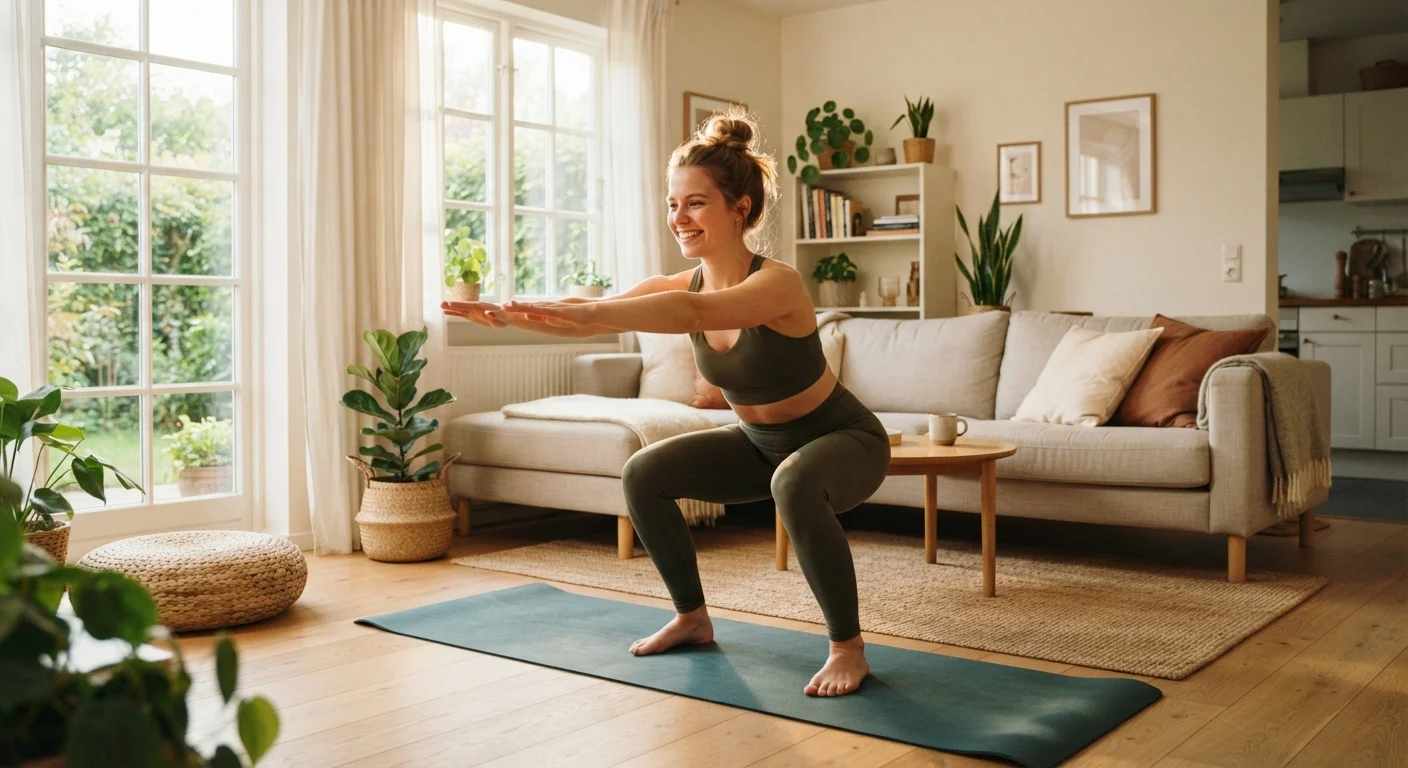
Photo: HorizonMetric.com | One Destination For Everyday Insights editorial
—— In This Article
Key Takeaways
- You don't need a gym or equipment to build strength and cardiovascular fitness at home.
- Soreness after a workout is not a reliable indicator of progress or effectiveness.
- Short, consistent workouts deliver real results — more than occasional long sessions.
- Spot reduction of fat is not supported by scientific evidence.
- Rest days are a necessary part of any fitness routine, not a sign of weakness.
Why Fitness Myths Are So Hard to Shake
Many people who want to start exercising at home hit an invisible wall — not a physical one, but a mental one built from years of fitness misinformation. From gym culture lore to social media extremes, bad advice travels fast and sticks hard. The result? Beginners delay starting, set unrealistic expectations, and quit before seeing any real change.
The good news is that what you actually need to get moving is far simpler than the myths suggest. The evidence-backed picture of home fitness is accessible, flexible, and achievable for most people — no membership required. For a practical starting point, see our beginner's guide to working out at home.
Below, we examine the most common misconceptions that hold beginners back — and what the research and fitness science actually say.
Myth
No pain, no gain — if it doesn't hurt, you're not working hard enough.
Fact
Discomfort from effort is normal; sharp or joint pain is a warning sign, not a progress marker.
Muscle fatigue and a mild burning sensation during exercise are normal responses to effort. But pain — especially in joints, tendons, or the lower back — is the body signaling potential harm, not fitness progress. Research consistently shows that sustainable, moderate-intensity exercise produces meaningful health improvements. Pushing through genuine pain increases injury risk and often leads to extended time off, which is the opposite of progress. Challenge yourself, but distinguish discomfort from damage.
Myth
You need equipment — dumbbells, machines, or at least resistance bands — to see real results.
Fact
Bodyweight exercises can build strength, endurance, and cardiovascular fitness without any equipment.
Push-ups, squats, lunges, planks, mountain climbers, and jumping jacks all use your own body weight as resistance — which is sufficient stimulus for meaningful fitness gains, particularly for beginners. Research supports bodyweight training as an effective approach to improving muscular strength and aerobic capacity. Equipment can add variety and progression over time, but it is not a prerequisite for starting. Many people build strong, durable bodies with nothing more than floor space.
Myth
If you're not sore the next day, the workout didn't count.
Fact
Delayed onset muscle soreness (DOMS) is one possible response to exercise, not a required one.
DOMS tends to appear after novel movements, high volumes, or eccentric-heavy exercises. As your body adapts to a routine, soreness typically decreases — which reflects fitness improvement, not a drop in workout quality. Using soreness as the primary measure of a workout's value can push beginners toward overtraining or constantly switching routines unnecessarily. A workout can be effective and leave you feeling energized rather than stiff.
Myth
You can target fat loss in a specific area, like your belly or thighs, with the right exercises.
Fact
Spot reduction — losing fat from a chosen body part through targeted exercise — is not supported by scientific evidence.
Fat loss occurs systemically: the body draws on fat stores throughout as a whole, influenced by overall energy balance and individual genetics. Doing hundreds of crunches will strengthen abdominal muscles but will not selectively reduce belly fat. Effective fat loss, to the extent it's a goal, comes from consistent overall physical activity combined with sustainable nutrition habits — not from isolating specific muscles. For more on separating food-related claims from evidence, this look at common nutrition myths is a useful companion read.
Myth
Short workouts aren't worth the bother — you need at least an hour to make a difference.
Fact
Research supports meaningful health benefits from workouts as short as 10–20 minutes, especially for beginners.
Public health guidelines from organizations such as the CDC and WHO emphasize total weekly activity volume rather than session length. Shorter, more frequent sessions can accumulate the same benefits as longer, less frequent ones. For beginners, shorter sessions also reduce the mental and physical barrier to showing up consistently — which is the single most important factor in long-term results. A 15-minute routine done regularly will outperform an hour-long routine done rarely.
Myth
Rest days are for people who aren't serious about fitness.
Fact
Recovery is when your body actually adapts and gets stronger — rest is a required part of the process.
Exercise creates stress on muscles, connective tissue, and the nervous system. Adaptation — increased strength, improved endurance, better mobility — happens during recovery, not during the workout itself. Without adequate rest, the body can't complete this process, increasing the risk of overuse injuries and burnout. For beginners especially, building in regular rest days or lighter movement days isn't a shortcut; it's how progress compounds over time.
Building a Realistic Home Routine
Once the myths are cleared away, the path forward becomes much simpler. Consistency beats intensity at every stage — especially early on. A 20-minute bodyweight session done four times a week outperforms one grueling two-hour effort followed by a week of avoidance. Your body adapts to what it does repeatedly, not to what exhausts it once.
150 min
Recommended weekly moderate-intensity activity
According to the U.S. Department of Health and Human Services Physical Activity Guidelines, adults need at least 150 minutes of moderate-intensity aerobic activity per week — achievable in sessions as short as 10–15 minutes.
~22 sq ft
Floor space needed for most bodyweight exercises
A standard yoga mat (roughly 2 ft × 6 ft) provides sufficient space for the majority of effective bodyweight movements, requiring no dedicated room or gym setup.
Space matters less than you might expect, too. A clear patch of floor the size of a yoga mat is genuinely enough for hundreds of effective exercises. See how different rooms in your home can support a variety of workouts, and for a deeper look at building structure into your routine, this comprehensive home fitness guide covers habits, equipment, and progression in one place.
If you're curious about broader fitness evidence — including what strength training does for general health beyond muscle — this overview on strength training for everyone is worth a read. And if myths in other areas are holding you back, this deeper look at common fitness misconceptions covers more ground.
This article is for general informational and educational purposes only and is not a substitute for professional medical or fitness advice. If you have any health conditions or concerns, consult a qualified healthcare professional before beginning any new exercise routine.

Beauty Editorial Team
Beauty Editorial Team is the collective byline for our editorial team and contributor network. Articles published under this byline or an editorial pen name are researched, written, and reviewed according to our editorial standards for clarity, consistency, and independence before publication.
View author profile