
Starting From Zero: A Practical Introduction to Working Out at Home
New to exercise? This beginner-friendly guide walks you through how to start building a sustainable home fitness routine safely.
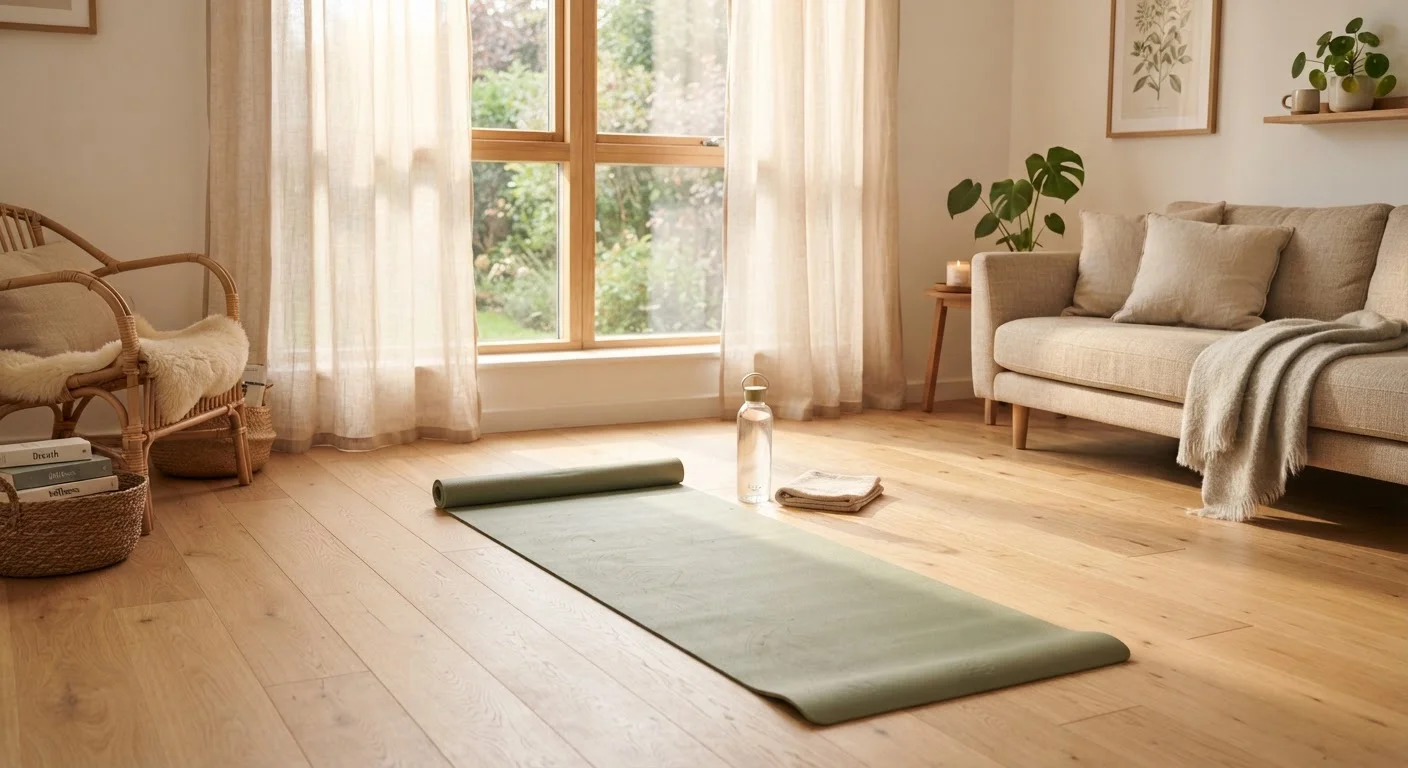
Photo: HorizonMetric.com | One Destination For Everyday Insights editorial
—— In This Article
Key Takeaways
- You need almost no equipment to build a meaningful fitness habit at home.
- Consistency with simple movements beats occasional intense sessions every time.
- Starting slowly and progressing gradually reduces injury risk for beginners.
- A clear, realistic schedule helps turn workouts from intentions into habits.
- Always check with a healthcare provider before starting exercise if you have existing health conditions.
Why Home Workouts Work for Beginners
The biggest barrier to starting exercise is rarely physical — it's logistical. No gym membership, no commute, no class schedule to fit around work and family. Home workouts remove all of that friction, which is exactly why they can be so effective for people starting from scratch.
Research consistently shows that adherence — actually sticking to a routine — matters far more than the specific type of exercise you choose. When the workout is already in your living room, adherence gets a whole lot easier. You're also free to move at your own pace without the self-consciousness that can come with being new in a gym environment.
If you're building wellness habits more broadly, see our guide to starting a holistic wellness routine — physical movement is just one piece of a larger picture. And if you're curious about what common fitness myths might be shaping your expectations, that's worth reading before you begin.
What You Actually Need to Get Started
The honest answer: very little. A small clear area of floor space — roughly 6 by 6 feet — is enough for most beginner routines. Comfortable clothing and supportive shoes matter more than any piece of equipment.
Bodyweight exercise
Any movement that uses your own body as the source of resistance — no equipment needed. Squats, push-ups, and lunges are common examples.
Reps and sets
A "rep" (repetition) is one complete movement, like a single squat. A "set" is a group of reps performed together before resting — for example, 10 reps per set.
DOMS
Delayed onset muscle soreness — the achiness felt 24 to 48 hours after exercise. It's a normal response to muscles being worked and typically fades within a few days.
Cool-down
A short period of gentle movement and stretching done at the end of a workout to gradually lower your heart rate and reduce muscle stiffness.
Progressive overload
The principle of gradually increasing the challenge of your workouts over time — by adding reps, slowing the movement, or introducing resistance — so your body continues to adapt.
Beyond that, a mat helps with floor exercises and stretching, but a folded blanket works fine too. If you're working in a smaller space, our guide to exercising in apartments and studios covers what's realistic without much room. Prefer to scope out different areas of your home? A room-by-room look at home workout spaces is a helpful starting point.
One thing that truly matters: preparing yourself before your first session. Review the home exercise safety checklist to make sure your space and body are ready. If you want a broader personal readiness check, the personal readiness checklist is worth completing first.
Building Your First Beginner Routine
A solid beginner routine focuses on three components: a brief warm-up, a main movement block, and a cool-down. Each serves a purpose and none should be skipped.
- Warm-up (5 minutes): Light movement — arm circles, leg swings, gentle marching in place — raises your heart rate gradually and primes your joints.
- Main block (15–20 minutes): Choose three to five bodyweight exercises. Squats, modified push-ups, lunges, glute bridges, and planks cover most of the major muscle groups with no equipment needed.
- Cool-down (5 minutes): Slow stretches held for 20–30 seconds each help reduce soreness and bring your heart rate down safely.
Start Smaller Than You Think You Should
If you're unsure whether your starting point is too easy, it probably isn't — and that's fine. Beginning with manageable sessions builds the habit of showing up, which is the real foundation. You can always add more challenge in week two or three once consistency is established.
Aim for two to three sessions per week with at least one rest day between them. For cardio options that don't require any machines, explore cardio at home without a treadmill. As you feel ready to progress, Home Fitness From the Ground Up covers how to structure sessions and build from there.
Staying Safe and Avoiding Common Mistakes
Beginners are most likely to run into trouble in two ways: doing too much too soon, or using poor form out of a desire to push harder. Both are easy to avoid once you know to watch for them.
Don't Skip the Warm-Up
Jumping straight into squats or lunges with cold muscles raises your risk of strains and joint discomfort. Even five minutes of gentle movement meaningfully prepares your body for exercise. Treat the warm-up as part of the workout, not optional prep time.
Focus on quality of movement over quantity. A slow, controlled squat with your knees tracking over your toes is always more valuable than rushing through ten sloppy ones. If an exercise causes sharp or joint-based pain — not the mild burn of working muscles — stop and rest. Persistent pain warrants a conversation with your doctor before continuing.
If you have a chronic condition, are pregnant, or haven't exercised in a very long time, consult a qualified healthcare provider before starting any exercise program. This article provides general information only and is not a substitute for personalized medical guidance. For more on core movement safety and muscle anatomy, understanding your core is a practical companion read.
How to Keep Going When Motivation Fades
Motivation is highest on day one. By week three, life gets busy, the novelty wears off, and skipping starts to feel reasonable. This is normal — and planning for it is what separates people who stick with exercise from those who don't.
A few strategies with real staying power:
- Schedule it specifically. "I'll work out three times this week" is vague. "I'll work out Monday, Wednesday, and Friday at 7 a.m." is a plan.
- Track your progress simply. A check mark on a calendar or a note in your phone is enough. Seeing a streak of completed sessions is genuinely motivating.
- Choose movements you don't hate. Enjoyment is a legitimate fitness variable. If you dread every session, the routine won't last.
- Accept imperfect sessions. A 15-minute workout on a hard day is far better than nothing. Perfection is not the standard — consistency is.
For broader movement guidance and accessible exercise ideas across all fitness levels, the Fitness & Movement hub is a reliable ongoing resource.
This article is intended for general informational purposes only and does not constitute medical advice. Always consult a qualified healthcare professional before beginning a new exercise program, particularly if you have an existing health condition or injury.
Frequently Asked Questions

Beauty Editorial Team
Beauty Editorial Team is the collective byline for our editorial team and contributor network. Articles published under this byline or an editorial pen name are researched, written, and reviewed according to our editorial standards for clarity, consistency, and independence before publication.
View author profile