
Cardio at Home Without a Treadmill: Your Real Options
Raise your heart rate at home using movement patterns that require no machines — from stair climbing to dance cardio and beyond.
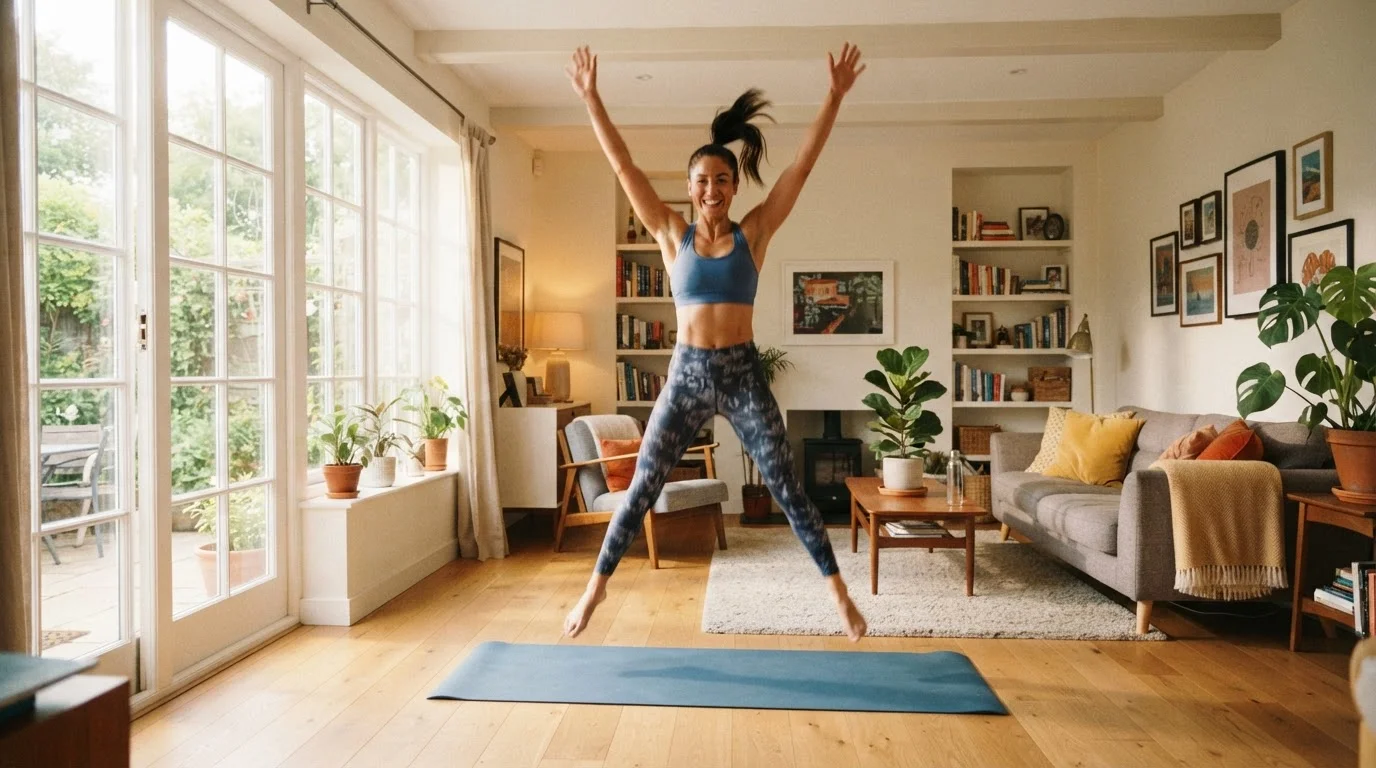
Photo: HorizonMetric.com | One Destination For Everyday Insights editorial
—— In This Article
Key Takeaways
- Effective cardiovascular exercise is possible at home using only bodyweight and basic space.
- Options range from low-impact movement like marching in place to higher-intensity interval formats.
- Consistency and variety matter more than equipment when building a sustainable cardio habit.
- Most home cardio methods can be adapted for small spaces, noise sensitivity, or beginner fitness levels.
- Combining different movement styles helps maintain motivation and targets different energy systems.
You Don't Need a Machine to Move
A treadmill isn't a prerequisite for cardiovascular fitness. The heart doesn't know whether you're on a machine or moving around your living room — it responds to effort, duration, and consistency. The challenge most people face isn't a lack of equipment; it's knowing which options are actually worth doing and how to make them sustainable.
This list covers six practical approaches to home cardio that require no machines and minimal space. Each works across a range of fitness levels and can be adapted for different home environments — whether you're in a studio apartment or a house with stairs. For context on how these fit into broader home exercise habits, the Fitness & Movement hub covers accessible movement strategies for all levels.
Low-Intensity Cardio Still Counts
Not all effective cardio looks intense. Sustained lower-intensity movement — sometimes called Zone 2 cardio — builds aerobic capacity and supports long-term heart health. See what Zone 2 cardio is and why it matters for a deeper look at how gentler pacing fits into a well-rounded fitness plan. This is especially relevant for beginners or those easing back into regular movement.
Six Ways to Raise Your Heart Rate at Home
Jumping Jacks and Jump Rope Movements
Jumping jacks are one of the most underrated full-body cardio tools available. They elevate heart rate quickly, engage the arms and legs simultaneously, and require zero equipment. A standard set of jumping jacks can serve as a standalone warm-up or be stacked into intervals for a more demanding session.
If you have a jump rope, even better — but the jumping motion itself is effective without one. Mimic the rhythm and foot pattern of jump rope by hopping lightly on both feet or alternating feet at a steady pace. This approach is particularly useful in apartments where a physical rope might be impractical.
Jumping jacks elevate your heart rate fast and work the whole body with zero equipment.
Stair Climbing
If your home has stairs, you have a ready-made cardio machine. Walking or stepping up and down a single flight repeatedly builds aerobic endurance and strengthens the glutes, quads, and calves. The steeper the stairs, the more effort required per step.
You can structure stair work in timed intervals — for example, climbing continuously for two minutes, resting, then repeating — or simply incorporate stairs naturally throughout your day by avoiding the elevator or making deliberate trips. Even a short staircase used consistently adds meaningful cardiovascular stimulus over time.
A single flight of stairs used repeatedly delivers real aerobic and lower-body strength benefits.
High Knees and Butt Kicks
Both movements are running-in-place variations that spike heart rate without requiring any forward travel. High knees — driving each knee toward your chest in an alternating, rhythmic pattern — challenge your core and hip flexors while keeping cardiovascular demand high. Butt kicks involve flicking your heels toward your glutes while staying in place, emphasizing the hamstrings.
These work well in small spaces and can be modified for low-impact versions by slowing the pace and keeping one foot on the ground at all times. That adjustment makes them accessible for those managing joint sensitivity or noise concerns in multi-story buildings.
High knees and butt kicks replicate running intensity in a single floor tile of space.
Dance Cardio
Dance-based movement is one of the most effective ways to sustain cardio effort because enjoyment reduces perceived exertion. You don't need a structured class — simply putting on music you like and moving freely for 20 to 30 minutes can produce genuine cardiovascular benefit.
For those who prefer more structure, many free video resources offer beginner-through-advanced dance cardio routines. Styles range from Latin-inspired movement to hip-hop and step aerobics. The key is keeping the body moving continuously. Dance cardio is also an excellent option for people who find traditional exercise formats demotivating.
Enjoyment reduces how hard exercise feels — dancing is cardio most people actually want to repeat.
Bodyweight Circuit Training
Stringing bodyweight exercises together with minimal rest creates a cardiovascular effect alongside muscular engagement. A simple circuit might cycle through squats, push-ups, mountain climbers, and standing crunches, completing each for a set duration before moving to the next with little break in between.
The heart rate elevation in circuit training comes from the continuous effort and short rest periods rather than sustained aerobic pacing. This format is efficient — a 20-minute circuit can deliver meaningful cardiovascular and strength stimulus. For guidance on building a full routine around formats like this, see our comprehensive home fitness resource.
Short rest periods between bodyweight moves keep heart rate elevated throughout the session.
Marching in Place and Step Touches
For those new to exercise, recovering from an injury, or managing conditions that limit impact, low-intensity movement like marching in place or side-to-side step touches is a valid and effective starting point. These options keep the cardiovascular system engaged without joint stress or balance demands.
Marching can be made progressively more challenging by adding arm swings, increasing pace, or lifting knees higher. Step touches can incorporate wider strides or a slight squat at each side to add intensity. If you're just beginning a movement practice, the beginner's guide to home workouts offers practical structure for building from the ground up.
Marching in place is genuine cardio — and a smart, sustainable starting point for beginners.
Vary Your Formats to Stay Consistent
Rotating between different cardio styles — say, dance cardio on one day and stair intervals on another — helps prevent boredom and reduces repetitive-strain risk. It also means you're less likely to skip a session because the weather or your mood doesn't match one specific format. Variety is one of the most practical tools for long-term adherence.
Building a Routine That Sticks
The most effective cardio format is one you'll actually repeat. Start with two or three sessions per week using whichever methods from this list feel most accessible. Gradually increase duration or intensity as your fitness improves, but avoid jumping to high-impact formats before your body has adapted to consistent movement.
If space is a genuine constraint, exercising effectively in small spaces covers how to work within tight square footage without disturbing neighbors. And if you're still weighing home exercise against a gym membership, a balanced comparison of both approaches lays out the real trade-offs without pressure in either direction.
This article is for general informational and educational purposes only and is not a substitute for professional medical or fitness advice. Consult a qualified healthcare provider before beginning any new exercise program, especially if you have an existing health condition or injury.

Beauty Editorial Team
Beauty Editorial Team is the collective byline for our editorial team and contributor network. Articles published under this byline or an editorial pen name are researched, written, and reviewed according to our editorial standards for clarity, consistency, and independence before publication.
View author profile