
The Core: What It Actually Includes and How to Train It at Home
"Core" means more than abs. This explainer covers which muscles make up your core and how to work them effectively without equipment.
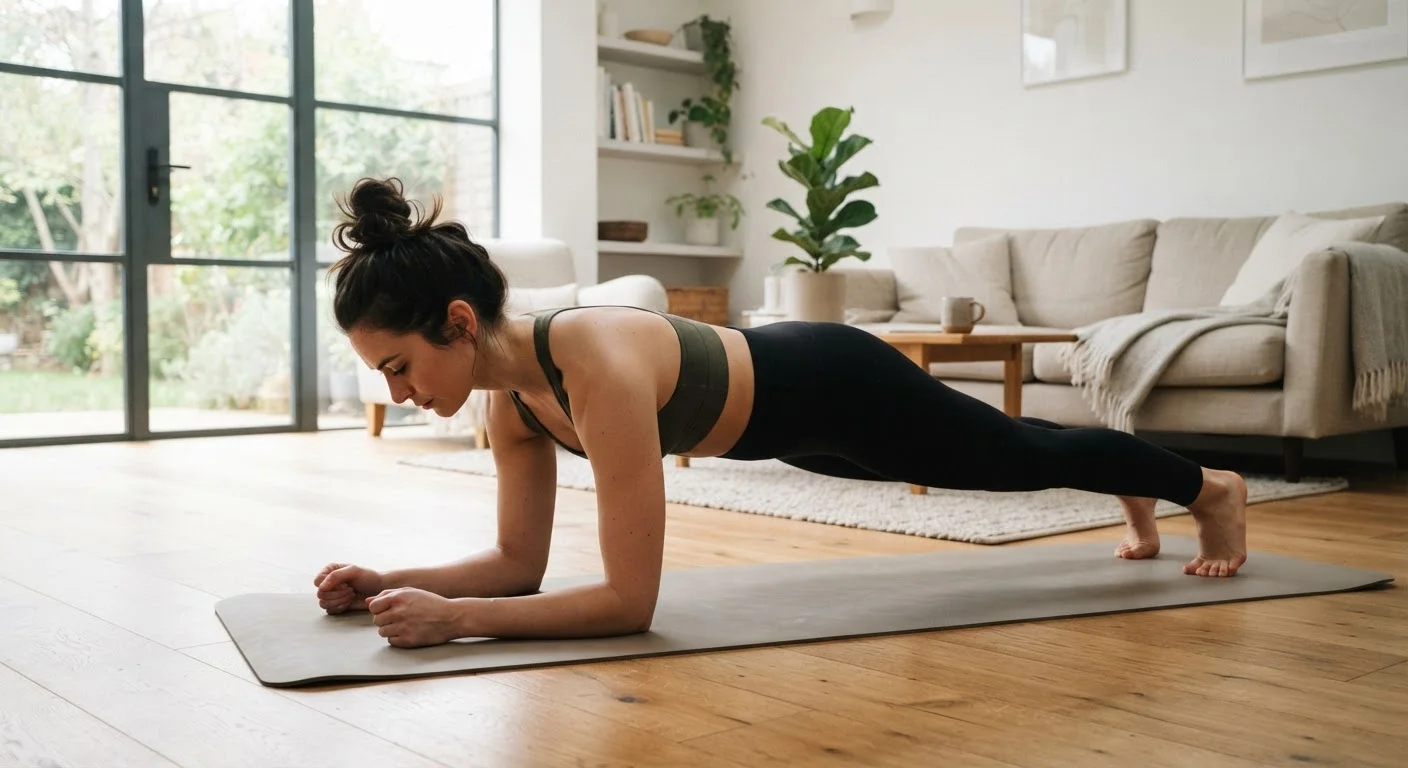
Photo: HorizonMetric.com | One Destination For Everyday Insights editorial
—— In This Article
Key Takeaways
- The core includes muscles in your abdomen, back, hips, and pelvis — not just your abs.
- A strong core supports posture, reduces injury risk, and improves everyday movement.
- Effective core training requires no gym equipment — a clear floor space is enough.
- Stability-focused exercises often train core muscles more effectively than crunches alone.
- Consistency with a small set of movements produces better results than occasional intense sessions.
What the Core Actually Includes
When most people hear "core," they picture a six-pack. In reality, your core is a complex network of muscles spanning your entire trunk — front, back, and sides — plus your hips and pelvic floor. Understanding this full picture changes how you train and why it matters.
The main muscle groups considered part of the core include:
- Rectus abdominis — the front-facing "abs" that flex the spine forward
- Obliques (internal and external) — the muscles along your sides that control rotation and lateral bending
- Transverse abdominis — a deep wrapping muscle that acts like a natural weight belt, compressing and stabilizing the spine
- Erector spinae and multifidus — muscles running along your lower back that keep you upright and resist forward collapse
- Glutes and hip flexors — connect your core to your lower body and influence how force moves through your pelvis
- Pelvic floor — the base of the core system, supporting internal organs and contributing to trunk pressure management
These muscles don't act independently — they coordinate constantly. When you carry a bag up a flight of stairs, every one of them is involved. That's why isolated exercises like crunches only tell part of the story. For more on training with your bodyweight, see bodyweight training fundamentals.
The Core Is Always Working
Your core muscles activate during almost every movement you make — not just dedicated core exercises. Squats, push-ups, and even walking all recruit core muscles to stabilize the spine. This means a well-rounded movement routine naturally supports core strength, even without isolated ab work.
Why Core Strength Matters Beyond Aesthetics
Core strength is foundational to almost every physical task you perform — not just athletic ones. A well-trained core helps you maintain good posture during a long workday, reduces strain on your lower back when bending or lifting, and keeps your movements efficient and controlled.
Research consistently links core stability to reduced risk of lower-body injuries, improved balance in older adults, and better performance in everyday functional movement. This is especially relevant if you spend significant hours sitting, which gradually weakens postural muscles and can cause chronic tightness.
It's also worth noting that visible abdominal definition is primarily influenced by body fat percentage and genetics — not just how often you train your core. Strong core muscles contribute to function and health whether or not they're visible. For a broader perspective on building a home fitness habit, starting from zero is a helpful companion guide.
“The core is not just about the abs — it's about creating a stable foundation that allows the rest of the body to move efficiently and safely. Training it holistically is one of the most important things a person can do for long-term physical health.”
— Stuart McGill, Professor Emeritus of Spine Biomechanics, University of Waterloo
How to Train the Core at Home — No Equipment Needed
Effective core training at home comes down to choosing exercises that challenge your ability to stabilize under load or movement — not just exercises that make your abs burn. Here are four foundational movements that together cover the full core system:
- Plank — Hold a push-up position (or forearm position) with your body forming a straight line. This trains the anti-extension function of your core, meaning your ability to resist your spine sagging under load.
- Dead Bug — Lying on your back, extend opposite arm and leg simultaneously while keeping your lower back pressed to the floor. This challenges coordination between your deep stabilizers and limb movement.
- Bird Dog — From a hands-and-knees position, extend one arm and the opposite leg, maintaining a neutral spine. This trains anti-rotation stability and strengthens the lower back extensors.
- Glute Bridge — Lying on your back with knees bent, lift your hips until your body forms a straight line from shoulders to knees. This activates the glutes and posterior chain that many people neglect in core work.
Start with two to three rounds of each movement, working within a comfortable effort level. Proper form matters more than duration or repetitions — a 20-second plank with good alignment outperforms a 60-second one with a sagging back. If you're figuring out where to set up, room-by-room home workout options can help you identify the best space.
Focus on Form Before Duration
When starting core exercises, prioritize holding correct alignment over extending time or reps. A shorter, well-executed plank trains the right muscles more effectively than a long one with a sagging midsection. If you feel strain in your lower back during any exercise, reduce the range of motion or stop and reassess your form.
Building a Sustainable Core Routine
The most common mistake in core training is inconsistency — intense sessions separated by long gaps. Core muscles, particularly the deep stabilizers, respond well to regular, moderate effort. Two to four short sessions per week (even 10–15 minutes) tends to produce better long-term results than one exhausting weekly workout.
You can layer core work into an existing routine by adding two or three of the movements above as a warm-up or cooldown. Over time, progress by increasing the difficulty of each movement — for example, elevating your feet in a plank, or adding a pause at the top of a glute bridge — rather than always increasing time or reps.
Track your consistency, not your performance. Showing up regularly is the variable that matters most for building durable strength. For a comprehensive framework that puts this in context, see home fitness from the ground up.
This article is for general informational and educational purposes only and is not a substitute for professional medical or fitness advice. Consult a qualified healthcare or fitness professional before starting a new exercise program, especially if you have any existing health conditions or injuries.
Frequently Asked Questions

Beauty Editorial Team
Beauty Editorial Team is the collective byline for our editorial team and contributor network. Articles published under this byline or an editorial pen name are researched, written, and reviewed according to our editorial standards for clarity, consistency, and independence before publication.
View author profile