
Before You Start Any Home Exercise Program: A Safety Checklist
A practical checklist covering physical readiness, space preparation, and when to speak with a healthcare provider before exercising at home.
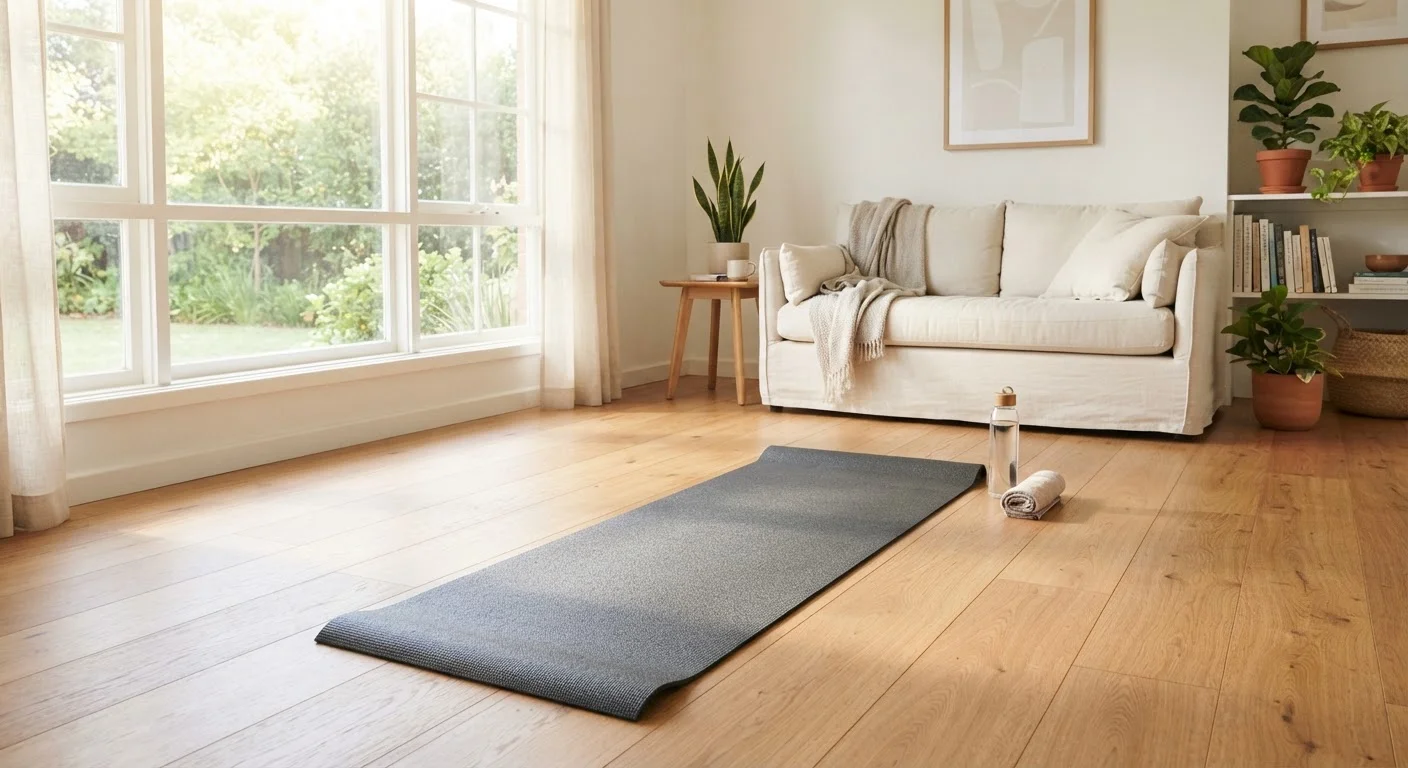
Photo: HorizonMetric.com | One Destination For Everyday Insights editorial
—— In This Article
Key Takeaways
- Certain health conditions require a conversation with your doctor before beginning any exercise program.
- Your workout space needs to be checked for hazards before every session, not just once.
- Warming up and cooling down reduce injury risk and are non-negotiable steps.
- Starting at a low intensity and progressing gradually is safer and more sustainable than jumping in hard.
- Hydration and appropriate footwear are simple factors that significantly affect safety.
Why a Safety Checklist Matters Before You Start
Home workouts remove barriers — no commute, no membership fees, no gym anxiety. But working out without a trainer or structured environment means you are responsible for your own safety setup. Skipping even a few preparation steps can mean a tweaked ankle on a slippery floor, overexertion on day one, or missing a health signal that warrants medical attention.
This checklist covers three areas: your physical readiness, your workout environment, and the exercise session itself. Work through each group before you begin your first session — and revisit the environment and session items regularly. For a broader look at how to structure your routine once you're ready, see our comprehensive home fitness guide.
This article is for general informational purposes only and is not medical advice. Always consult a qualified healthcare professional before starting a new exercise program, particularly if you have a health condition.
When to See a Doctor First — No Exceptions
If you have been diagnosed with a heart condition, have uncontrolled high blood pressure, experience chest discomfort during everyday activity, or have not been physically active for a year or more, a pre-exercise medical evaluation is strongly recommended before beginning any program. This is not about gatekeeping fitness — it's about making sure your program is safe for your specific health picture. Your provider can also help tailor intensity guidelines to your needs.
What You'll Need
Most home workouts require very little equipment. The tools below cover the basics of safe, effective exercise without gym access.
Non-slip exercise mat
Provides cushioning and grip on hard floors during floor-based exercises, stretches, and yoga-style movements.
Supportive athletic footwear
Reduces impact on joints and prevents slipping during standing or high-movement exercises.
Water bottle
Keeps hydration accessible throughout the session without needing to leave your workout space.
Resistance bands
Provide low-cost, low-impact resistance for strength exercises and are easy to store in any home setting.
Timer or interval app
Helps structure work and rest periods so you pace yourself appropriately, especially as a beginner.
Heart rate monitor or smartwatch
Allows you to track exercise intensity and stay within a safe, appropriate exertion range for your fitness level.
The Safety Checklist
Work through each group in order. Items marked must are non-negotiable; should items are strongly recommended; nice to have enhance your experience but are optional.
Medical & Physical Readiness
Space & Environment Preparation
Session Preparation
Stop Exercising Immediately If You Experience These Signs
Chest pain or pressure, sudden dizziness, severe shortness of breath, pain radiating to your arm or jaw, and heart palpitations are all signals to stop activity right away and seek medical attention. Do not try to push through these symptoms. If in doubt, call emergency services or have someone take you to a medical facility promptly.
Once your space and health readiness are confirmed, think carefully about where in your home you'll actually work out. Our room-by-room workout space guide walks through the real exercise potential — and pitfalls — of common home spaces.
For guidance on structuring the warm-up and cool-down phases of your session, research on stretching before and after exercise can help you decide what fits your routine. And if you want a broader personal readiness check beyond the home setting, the personal readiness checklist for new exercise routines is a useful companion.

Beauty Editorial Team
Beauty Editorial Team is the collective byline for our editorial team and contributor network. Articles published under this byline or an editorial pen name are researched, written, and reviewed according to our editorial standards for clarity, consistency, and independence before publication.
View author profile