
Before You Start a New Exercise Routine: A Personal Readiness Checklist
Starting a new fitness routine is easier when you've thought through the basics. Use this checklist to assess your readiness and set yourself up to stick with it.
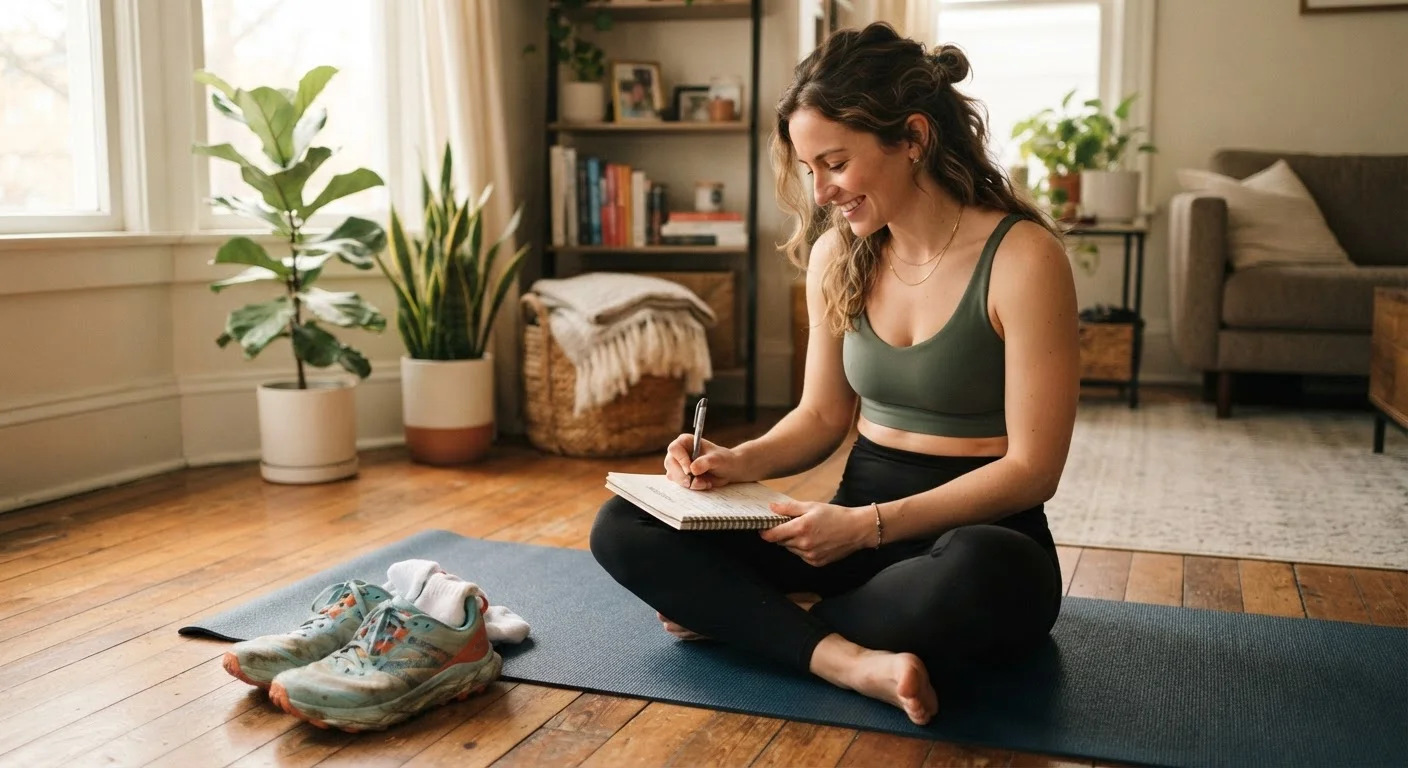
Photo: HorizonMetric.com | One Destination For Everyday Insights editorial
—— In This Article
Key Takeaways
- Checking in with a healthcare provider before starting is especially important if you have existing health conditions.
- Clarifying your goals and motivations upfront dramatically improves long-term consistency.
- Choosing an activity that genuinely fits your schedule reduces the chance of quitting early.
- Starting gradually and progressing slowly is safer and more sustainable than diving in at full intensity.
- Having the right footwear and basic gear prevents many common beginner injuries.
Why a Pre-Start Checklist Matters
Most people abandon a new exercise routine within the first few weeks — not because they lack willpower, but because they started without a clear plan. A short readiness check before day one helps you identify potential obstacles, set realistic expectations, and choose an approach that actually suits your life.
This checklist is designed for everyday Americans at any fitness level, from complete beginners to those returning to movement after a long break. It covers health considerations, goal-setting, practical logistics, and the mental side of getting started. Work through each section at your own pace — this is general health information intended to help you reflect and prepare, not a substitute for personalized advice from a qualified healthcare provider.
If you're also thinking about broader lifestyle changes alongside fitness, see our holistic wellness starter guide for a wider look at building sustainable healthy habits.
Health & Medical Readiness
Goals & Motivation
Schedule & Logistics
Gear & Environment
Mindset & Sustainability
What You'll Need to Get Started
You don't need much to begin — but having a few basics in place makes the process smoother and safer. The tools below support the checklist items above and help you stay on track once you begin.
Supportive Athletic Footwear
Provides cushioning and stability appropriate to your activity, reducing injury risk for beginners.
Exercise or Fitness Journal
Helps you log sessions, track progress, and spot patterns in your consistency and energy levels.
Resistance Bands
Lightweight and affordable tools useful for strength training and mobility work at home or anywhere.
Yoga or Exercise Mat
Provides a clean, cushioned surface for floor-based exercises, stretching, and cool-down work.
Water Bottle
Keeps you hydrated throughout every session — essential regardless of intensity or duration.
Once you've worked through this checklist and gathered your basics, you'll be well-positioned to move into structured programming. Our home fitness guide walks you through building sessions and progressing over time. For a wide range of beginner-friendly options, the Fitness at Home hub is a practical starting point.
When to Speak with a Provider First
If you experience chest discomfort, shortness of breath at rest, recurring dizziness, or have been diagnosed with a heart condition, diabetes, or other chronic illness, talk to your healthcare provider before beginning any exercise program. This applies equally to anyone who has been sedentary for a year or more. Getting medical clearance is not a barrier to starting — it's a step that helps you start more safely.
This article is for general informational purposes only and is not medical advice. Always consult a qualified healthcare provider before beginning a new exercise program, particularly if you have any existing health conditions, are pregnant, or have been inactive for an extended period.

Health Editorial Team
Health Editorial Team is the collective byline for our editorial team and contributor network. Articles published under this byline or an editorial pen name are researched, written, and reviewed according to our editorial standards for clarity, consistency, and independence before publication.
View author profile