
Strength Training Isn't Just for Athletes — Here's What It Does for Everyone
Lifting weights or doing resistance work has measurable benefits beyond muscle. Learn what the evidence says about strength training for general health.
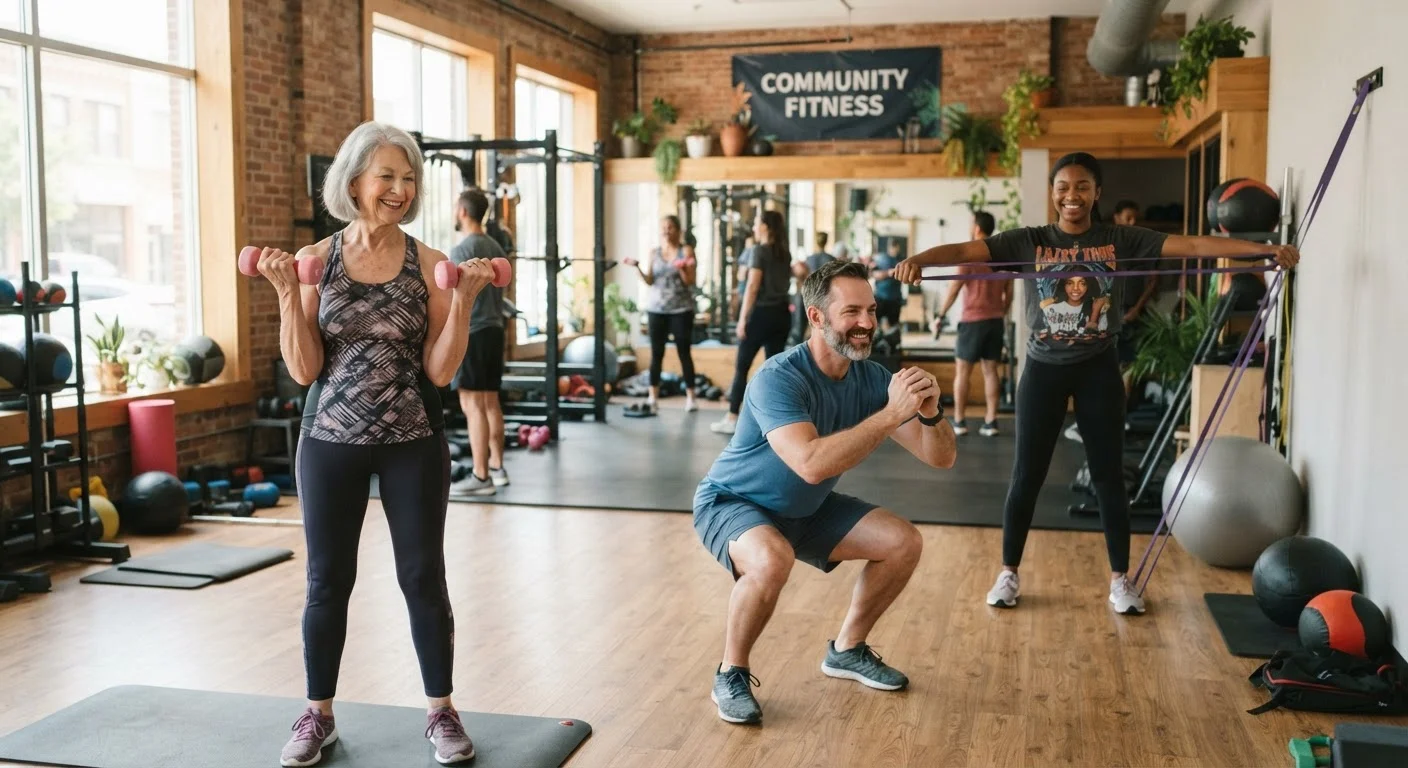
Photo: HorizonMetric.com | One Destination For Everyday Insights editorial
—— In This Article
Key Takeaways
- Strength training improves bone density, metabolic health, and joint stability — not just muscle size.
- Health guidelines recommend adults do muscle-strengthening activity at least two days per week.
- You don't need a gym or heavy weights to get meaningful benefits from resistance exercise.
- Older adults and people with chronic conditions stand to gain significantly — with appropriate guidance.
- Consistency over intensity is the most reliable path to lasting strength gains.
Why Strength Training Is a General Health Tool
For many Americans, strength training conjures images of barbells, competitive bodybuilders, or elite sports conditioning. The reality is far more accessible — and far more relevant to everyday life. A large and consistent body of research shows that resistance exercise produces meaningful health benefits across age groups, fitness levels, and body types.
The U.S. Department of Health and Human Services' Physical Activity Guidelines for Americans recommends that adults include muscle-strengthening activities on two or more days per week — alongside aerobic activity. That guidance applies to virtually all adults, not just those pursuing athletic performance goals.
Understanding what strength training actually does to your body — beyond making muscles larger — is the clearest argument for making it a regular part of life. See how it compares to other movement approaches in our look at cardio versus strength training.
2x/week
Minimum recommended muscle-strengthening days
Per the U.S. Physical Activity Guidelines for Americans, adults should perform muscle-strengthening activities involving all major muscle groups on at least two days per week.
~3–8%
Muscle mass lost per decade after age 30
Research estimates adults lose roughly 3–8% of muscle mass per decade after their thirties, a rate that accelerates after 60 — making resistance training increasingly important with age.
Significant reduction
Depressive symptoms after resistance training
A 2018 meta-analysis in JAMA Psychiatry found that resistance exercise training was associated with a significant reduction in depressive symptoms across diverse populations.
What the Evidence Says It Does
Resistance training triggers adaptations that extend well beyond aesthetics. Here is what established research documents:
- Bone density: Mechanical loading from resistance exercise stimulates bone-forming cells. This is particularly important for reducing osteoporosis risk as people age.
- Metabolic health: Skeletal muscle is metabolically active tissue. Greater muscle mass is associated with improved insulin sensitivity and better blood glucose regulation, which matters for long-term cardiometabolic health.
- Joint stability and injury prevention: Stronger muscles support and protect joints. This is why physical therapists frequently use resistance exercise as part of rehabilitation and injury prevention.
- Mental health: A 2018 meta-analysis published in JAMA Psychiatry found that resistance exercise was associated with significant reductions in depressive symptoms across various populations.
- Functional independence: Muscle strength declines naturally with age — a process called sarcopenia. Regular resistance training slows this decline and helps preserve the ability to perform everyday tasks.
“Resistance training is one of the most under-utilized tools in public health. The evidence base for its benefits — spanning bone health, metabolic function, and mental well-being — is broad and strong, yet adoption remains low among general populations.”
— Dr. William Kraemer, Professor of Human Sciences, The Ohio State University, and long-standing researcher in exercise physiology
Getting Started: What Actually Matters
The most common barrier to strength training is the belief that it requires expensive equipment, a gym membership, or significant prior fitness. None of those things is true. Resistance can come from your own body weight, elastic bands, household items, or free weights — the stimulus to your muscles is what matters, not the source.
For beginners, foundational movement patterns — squats, hinges, pushes, and pulls — cover the majority of muscle groups and transfer directly to daily activities. If you are new to resistance exercise, starting with bodyweight versions of these movements and adding load gradually is a sound, evidence-supported approach. Our guide to bodyweight training explains exactly how to build strength without equipment.
Start Simple, Stay Consistent
You do not need a detailed program on day one. Picking two to three compound movements — such as squats, push-ups, and a row variation — and performing them two days a week is enough to begin building the habit. Consistency across weeks matters far more than the complexity of your routine. Adding small amounts of difficulty over time is what produces long-term progress.
Form and consistency matter more than load at the outset. Performing movements with good technique at a manageable intensity — and doing so regularly — produces reliable adaptations. Chasing heavy weights before movement quality is established is where most beginner injuries occur.
If you are managing a chronic condition, recovering from injury, or are in a special population such as pregnancy or older adulthood, working with a qualified fitness professional or physical therapist before starting is strongly recommended. Always consult your healthcare provider about exercise that is appropriate for your specific situation.
For a broader look at what actually works versus what is commonly assumed, see common fitness myths examined.
This article is for general informational and educational purposes only and does not constitute medical advice. Consult a qualified healthcare professional before beginning any new exercise program, particularly if you have existing health conditions or concerns.
Frequently Asked Questions

Health Editorial Team
Health Editorial Team is the collective byline for our editorial team and contributor network. Articles published under this byline or an editorial pen name are researched, written, and reviewed according to our editorial standards for clarity, consistency, and independence before publication.
View author profile