
Plant-Based Protein Sources That Work for Meat-Eating Households
Lentils, beans, tofu, and beyond — a curated look at plant proteins that slot easily into familiar American meals.
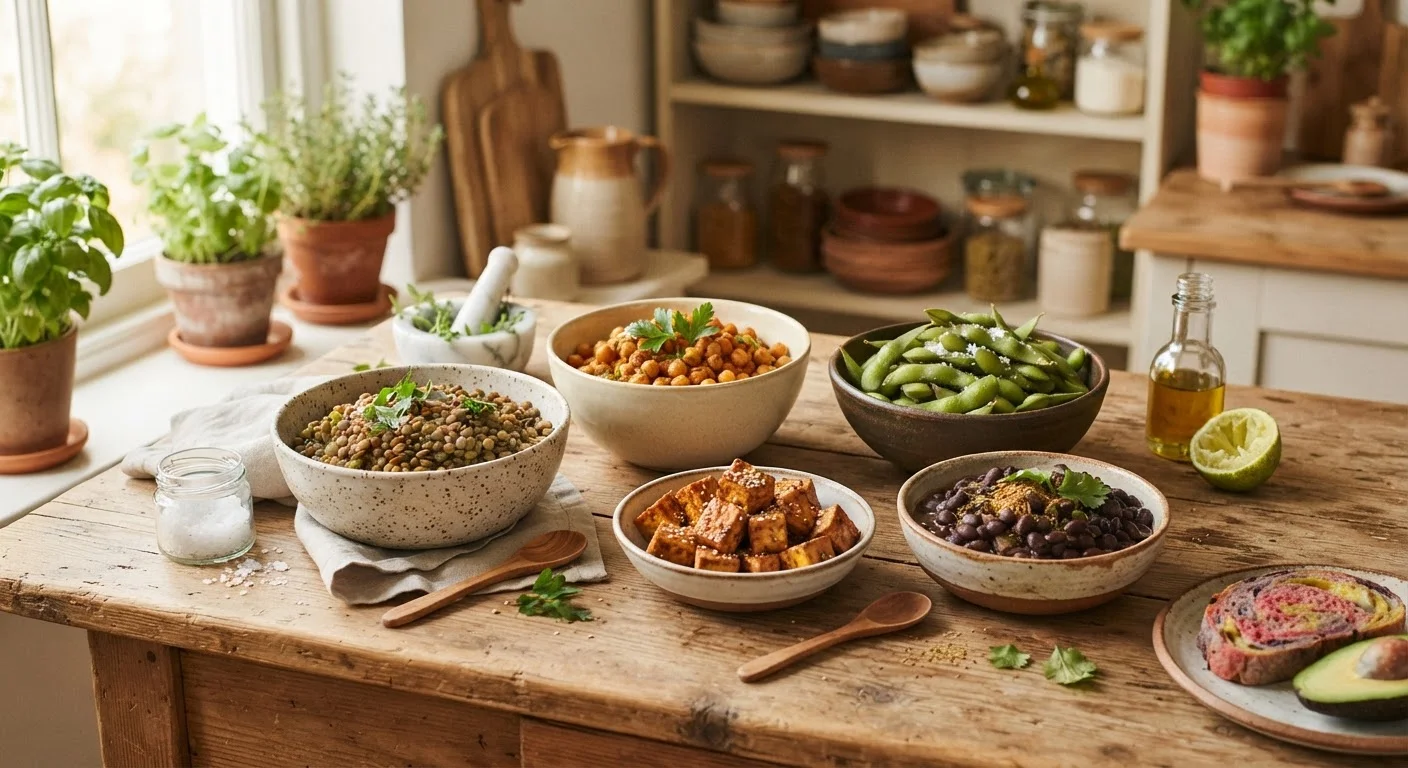
Photo: HorizonMetric.com | One Destination For Everyday Insights editorial
—— In This Article
Key Takeaways
- Plant proteins like lentils and beans are affordable, widely available, and easy to cook with.
- Most plant proteins work as partial or full substitutes in familiar American dinner recipes.
- Combining different plant proteins throughout the day helps cover all essential amino acids.
- You don't have to go fully vegetarian to benefit from adding more plant protein to your meals.
Why Plant Protein Deserves a Spot at Any Table
Adding plant-based proteins to a meat-eating household isn't about giving anything up — it's about expanding what's already on the menu. Whether you're trying to cut grocery costs, eat a little more fiber, or simply bring more variety to weeknight dinners, plant proteins offer a practical path forward.
Nutritionally, proteins are made of amino acids. Animal proteins are considered "complete" because they contain all nine essential amino acids in adequate amounts. Many plant proteins are lower in one or more essential amino acids, but eating a varied diet across the day easily covers those gaps — no precise meal-by-meal combining required. For a deeper look at how plant and animal proteins compare, see our guide to protein sources across every type of diet.
The six sources below were chosen for one reason: they actually work in meals American families are already making.
Lentils
Lentils are one of the most efficient plant proteins available — about 18 grams of protein per cooked cup, according to USDA data — and they require no soaking, cook in under 30 minutes, and cost very little per serving. Brown and green lentils hold their shape well for tacos, Bolognese-style sauces, and stuffed peppers. Red lentils break down into a creamy texture perfect for soups and curries. Their mild, earthy flavor absorbs whatever seasoning you use, which makes them a natural stand-in where ground meat usually goes.
Lentils cook in under 30 minutes and absorb any seasoning you use — a natural ground-meat stand-in.
Canned Beans
Black beans, pinto beans, kidney beans, and cannellini beans are pantry staples that require almost no preparation. A 15-ounce can runs cheap, provides roughly 15 grams of protein, and is high in fiber and iron. Mash black beans into burger patties, fold them into chili alongside a smaller amount of meat, or stir white beans into pasta with olive oil and garlic. Beans are also one of the most studied foods for supporting digestive and cardiovascular health, according to general nutritional research — though results vary by individual, and dietary changes should be discussed with a healthcare provider if you have specific health concerns.
Canned beans require almost no preparation and add 15 grams of protein per serving to any meal.
Tofu
Tofu intimidates some home cooks, but the technique is simple once you know it: press out excess moisture, then cook at high heat. Firm and extra-firm tofu can be cubed and pan-fried until golden, crumbled into scrambled-egg-style dishes, or marinated and baked. It provides around 10 grams of protein per half-cup serving and takes on flavors readily. Silken tofu blends into smoothies or sauces with no detectable texture. Starting with a stir-fry or a taco filling is the lowest-barrier entry point for households new to tofu.
Press out moisture and cook at high heat — that's the key to tofu that holds its shape and browns well.
Edamame
Edamame — young, green soybeans — is one of the few plant proteins that is nutritionally complete, containing all nine essential amino acids. A half-cup of shelled edamame delivers about 9 grams of protein. Frozen shelled edamame is sold widely and goes from freezer to table in five minutes. Add it to grain bowls, pasta dishes, fried rice, or salads. Kids tend to accept edamame more easily than many other legumes because of its pleasant, slightly sweet flavor, making it a useful protein bridge for family meals.
Edamame is one of the few complete plant proteins and is ready to eat in five minutes from frozen.
Chickpeas
Chickpeas (also called garbanzo beans) are sturdy enough to roast crispy in the oven, creamy enough to blend into hummus, and hearty enough to hold their own in stews and curries. One cup cooked offers roughly 15 grams of protein and a significant amount of fiber and iron. Roasted chickpeas make a satisfying snack that replaces processed chips, and they can be tossed into Caesar salads or grain dishes for texture. They're also the foundation of several globally beloved dishes — from falafel to chana masala — that are easy to adapt for American weeknight cooking.
Chickpeas are sturdy enough to roast, creamy enough to blend, and hearty enough to anchor a stew.
Tempeh
Tempeh is made from fermented soybeans pressed into a firm cake. It has a higher protein content than tofu — around 15–17 grams per 3-ounce serving — and a nuttier, more substantial flavor that holds up to bold marinades. Slice and pan-fry it as a bacon-adjacent strip for breakfast sandwiches, crumble it into meat sauces, or cube it for skewers. The fermentation process also means tempeh contains some naturally occurring probiotics, though cooking reduces live cultures. Its texture makes it one of the most meat-like plant proteins in terms of bite and presence on the plate.
Tempeh's firm, nutty texture makes it one of the most satisfying plant proteins for people who love a hearty bite.
Starting Small and Building From There
The most sustainable approach is gradual. Swap ground beef for half lentils in a taco Tuesday, stir white beans into a soup you already make, or toss edamame into a grain bowl. None of these require new equipment, specialty stores, or a revised worldview about food.
Start With a Half-and-Half Swap
If your household is skeptical of plant proteins, try replacing half the ground meat in a recipe — not all of it — with lentils or crumbled tempeh. The flavor and texture difference is subtle, the protein content stays high, and the cost per meal drops. Most families can't tell the difference in a well-seasoned taco or pasta sauce.
If you're curious about shifting meals in a more plant-forward direction without abandoning your staples, our article on eating more plants without overhauling your entire diet walks through exactly that approach.
This article is for general informational and educational purposes only and is not a substitute for advice from a registered dietitian or qualified healthcare professional. Consult a professional for guidance tailored to your individual health needs.

Food Editorial Team
Food Editorial Team is the collective byline for our editorial team and contributor network. Articles published under this byline or an editorial pen name are researched, written, and reviewed according to our editorial standards for clarity, consistency, and independence before publication.
View author profile