
Micronutrients: The Vitamins and Minerals Your Body Can't Make on Its Own
A reference overview of essential vitamins and minerals — what they do, where they come from, and why deficiencies matter.
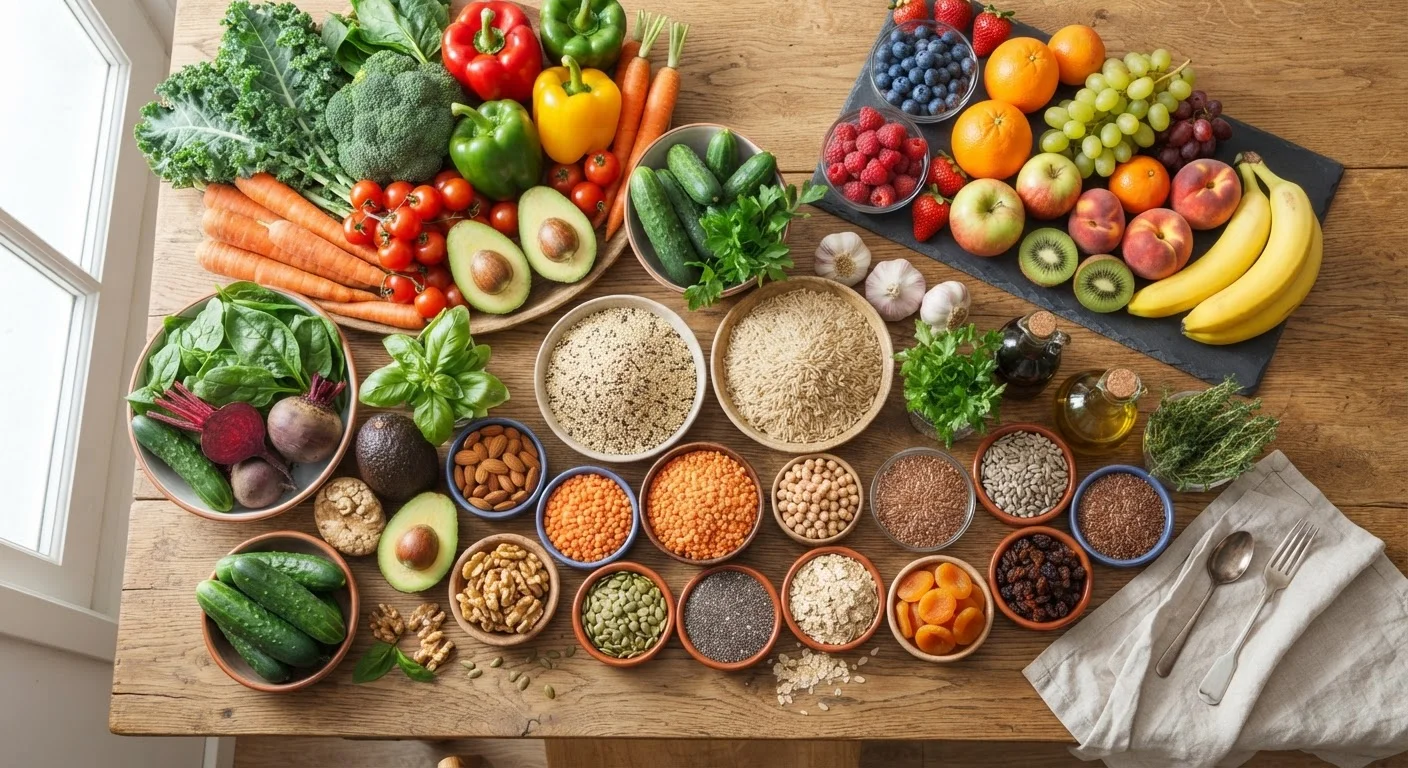
Photo: HorizonMetric.com | One Destination For Everyday Insights editorial
—— In This Article
What Are Micronutrients and Why Do They Matter?
Your body runs on two categories of nutrients: macronutrients (carbohydrates, proteins, and fats — covered in detail in our guide to what macronutrients do inside your body) and micronutrients. Micronutrients are vitamins and minerals your body needs in relatively small amounts — but cannot produce in sufficient quantities on its own. That means you must obtain them from food, and sometimes supplementation.
Despite being needed in smaller doses than macronutrients, micronutrients drive hundreds of essential biological processes: energy metabolism, immune defense, bone maintenance, nerve signaling, red blood cell production, and DNA repair, among others. Even a mild, persistent shortage of a single nutrient can quietly undermine health over time.
| Total essential vitamins | 13 (National Institutes of Health, Office of Dietary Supplements) |
| Fat-soluble vitamins | A, D, E, K |
| Water-soluble vitamins | C and 8 B vitamins |
| Most common U.S. deficiency | Vitamin D (National Health and Nutrition Examination Survey (NHANES)) |
| Essential dietary minerals | 16 recognized (World Health Organization) |
| Body's ability to make most vitamins | Minimal to none — diet required |
Essential Vitamins: Fat-Soluble vs. Water-Soluble
Vitamins fall into two groups based on how your body stores and uses them.
Fat-Soluble Vitamins (A, D, E, K)
These dissolve in fat and are stored in the liver and fatty tissues. Because the body holds reserves, deficiency develops slowly — but excessive supplementation can lead to toxicity.
- Vitamin A — Supports vision, immune function, and cell growth. Found in liver, dairy, eggs, and as beta-carotene in orange and leafy vegetables.
- Vitamin D — Critical for calcium absorption and bone health; also plays roles in immune regulation. Synthesized via sun exposure; dietary sources include fatty fish, fortified dairy, and egg yolks.
- Vitamin E — Acts as an antioxidant protecting cell membranes. Found in nuts, seeds, and vegetable oils.
- Vitamin K — Essential for blood clotting and bone metabolism. Found in leafy greens, fermented foods, and some vegetable oils.
Water-Soluble Vitamins (C and B-Complex)
These dissolve in water and are not stored in significant amounts — excess is excreted in urine, making regular dietary intake important.
- Vitamin C — Antioxidant; supports collagen synthesis and immune defense. Found in citrus fruits, bell peppers, and broccoli.
- B Vitamins — Eight distinct vitamins (including B12, folate, thiamine, and riboflavin) that collectively support energy production, nervous system function, and red blood cell formation. Animal products, legumes, leafy greens, and fortified grains are key sources.
Micronutrient
A vitamin or mineral required by the body in small quantities to support essential biological functions. Unlike macronutrients, most micronutrients cannot be synthesized by the body and must come from food.
Fat-Soluble Vitamin
A vitamin (A, D, E, or K) that dissolves in fat and is stored in liver tissue and body fat. Because reserves accumulate, both deficiency and excess can occur over time.
Water-Soluble Vitamin
A vitamin (C or any of the B vitamins) that dissolves in water and is not stored significantly in the body. Regular daily intake is needed since excess amounts are excreted in urine.
Trace Mineral
A mineral the body needs in very small amounts — typically less than 100 mg per day — but that is still essential for normal physiological function. Examples include iron, zinc, iodine, and selenium.
Bioavailability
The proportion of a nutrient that the body actually absorbs and uses from a food or supplement. Bioavailability varies by food form, preparation method, and what else is eaten at the same time.
Antioxidant
A compound that neutralizes unstable molecules called free radicals, helping to protect cells from oxidative damage. Several vitamins and minerals, including Vitamin C, Vitamin E, and selenium, act as antioxidants.
Key Minerals and Their Roles
Minerals are inorganic elements absorbed from food and used throughout the body. They are broadly divided into macrominerals (needed in larger amounts) and trace minerals (needed in tiny quantities but no less essential).
Major Minerals
- Calcium — Builds and maintains bones and teeth; also involved in muscle contraction and nerve signaling. Dairy, fortified plant milks, tofu, and leafy greens are primary sources.
- Magnesium — Participates in over 300 enzymatic reactions including energy production and muscle relaxation. Found in nuts, seeds, whole grains, and dark leafy greens.
- Potassium — Regulates fluid balance and supports healthy blood pressure. Abundant in bananas, potatoes, beans, and yogurt.
Trace Minerals
- Iron — Carries oxygen in red blood cells. Heme iron (from meat) absorbs more readily; non-heme iron (from legumes and greens) absorbs better alongside Vitamin C.
- Zinc — Supports immune function, wound healing, and taste perception. Found in meat, shellfish, legumes, and seeds.
- Iodine — Essential for thyroid hormone production, which governs metabolism. Iodized salt, seafood, and dairy are key sources.
- Selenium — Antioxidant mineral that supports thyroid function and immune response. Brazil nuts, fish, and whole grains are reliable sources.
Nutritional needs shift significantly across life stages — see our article on how nutrition changes through every decade of adult life for a detailed look at age-specific considerations.
42%
U.S. adults with Vitamin D deficiency
According to data published in Nutrition Research using NHANES survey results, roughly 42% of American adults have insufficient Vitamin D levels.
10%
U.S. women with iron deficiency
The CDC estimates approximately 10% of women in the United States are iron deficient, making it one of the most prevalent nutrient shortfalls.
~50%
Americans below magnesium recommendations
Analysis of NHANES data suggests that roughly half of Americans consume less magnesium than their Estimated Average Requirement.
Recognizing Deficiencies and Staying on Track
Many micronutrient deficiencies develop gradually and produce vague symptoms — fatigue, poor concentration, slow wound healing — that are easy to overlook. Some of the most common gaps in otherwise healthy-seeming diets include Vitamin D, iron, magnesium, and B12. Our companion piece on nutrient gaps in healthy-seeming diets explores these patterns in depth.
Supplements Don't Replace Whole Foods
While supplements can help address confirmed deficiencies, they do not replicate the full nutritional profile — fiber, phytonutrients, and synergistic compounds — found in whole foods. Self-prescribing high-dose supplements without testing can also cause harm, particularly with fat-soluble vitamins that accumulate in the body. Always discuss supplementation with a healthcare provider before starting.
The most reliable strategy for meeting your micronutrient needs is a varied, whole-foods diet rich in vegetables, fruits, legumes, whole grains, lean proteins, and dairy or fortified alternatives. No single food covers everything — dietary diversity is the key principle. If you suspect a deficiency or have specific health conditions, consult a registered dietitian or your primary care provider before starting any supplement regimen.
This article is for general informational and educational purposes only and is not a substitute for personalized medical or nutritional advice. Always consult a qualified healthcare professional regarding any concerns about your diet or health.

Health Editorial Team
Health Editorial Team is the collective byline for our editorial team and contributor network. Articles published under this byline or an editorial pen name are researched, written, and reviewed according to our editorial standards for clarity, consistency, and independence before publication.
View author profile