
Nutrition During Every Decade of Adult Life
How nutritional needs shift from your 20s through your 60s and beyond — and why a one-size-fits-all approach often misses the mark.
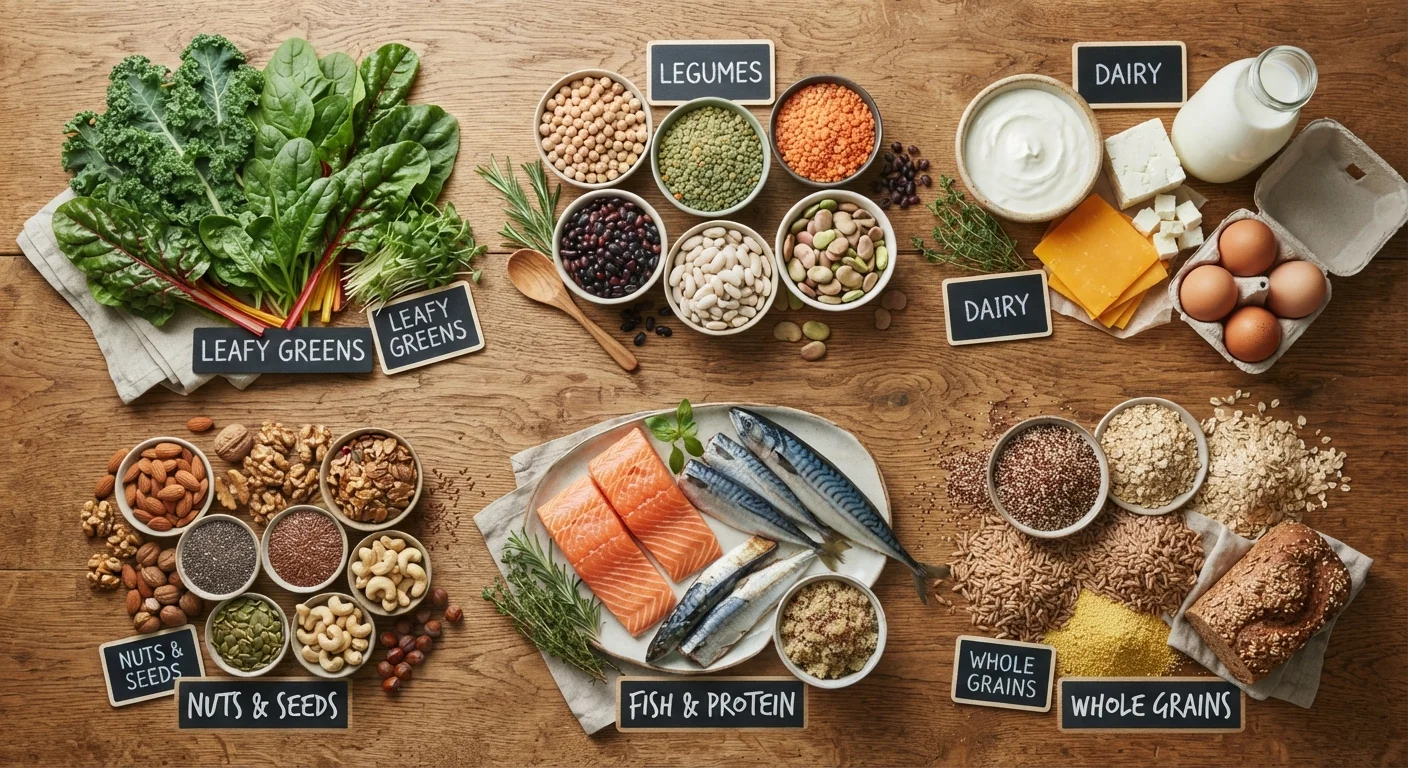
Photo: HorizonMetric.com | One Destination For Everyday Insights editorial
—— In This Article
Key Takeaways
- Calorie needs generally decline with age, but requirements for many key nutrients do not.
- Bone density, muscle mass, and metabolic rate each have distinct nutritional leverage points across decades.
- Protein becomes increasingly important after age 50 to counter natural muscle loss.
- Nutrient absorption — particularly B12, calcium, and vitamin D — can decrease as we age.
- No single diet pattern suits every adult; needs shift with hormones, activity, and health status.
- Consistent eating patterns matter more than any single superfood or supplement.
Why Nutrition Needs Change With Age
Most nutrition advice is written as though adults are a single, uniform group. In reality, the body's demands shift meaningfully every decade — driven by changes in metabolism, hormonal activity, muscle mass, bone density, and the gut's ability to absorb nutrients efficiently.
Understanding these shifts allows for more targeted choices rather than relying on a generic healthy-eating checklist. Just as financial planning strategies evolve across life stages, your nutritional priorities benefit from a similar recalibration over time.
Nutritional Needs Are Highly Individual
The decade-by-decade guidance here reflects general population trends drawn from nutrition research. Individual needs vary based on sex, activity level, health status, medications, and genetics. Use this as a framework for conversation with a healthcare provider, not a personal prescription.
This article provides general health information and education. It is not a substitute for personalized advice from a qualified healthcare provider or registered dietitian.
Your 20s: Building the Foundation
The twenties are a formative period for long-term health. Bone mass peaks around age 30, making calcium and vitamin D intake during this decade genuinely consequential. Iron is another priority — particularly for women of childbearing age, who face higher depletion risk.
Calorie needs are typically at their highest during this period due to higher baseline metabolic rates and often greater physical activity. Yet many Americans in their 20s consume diets heavy in ultra-processed foods and low in fiber, setting up patterns that can compound negatively over time. See our guide to increasing daily fiber intake for practical starting points.
In your twenties, front-load calcium-rich foods — dairy, fortified plant milks, leafy greens — rather than relying on supplements. The food matrix improves absorption and comes bundled with supporting nutrients.
Peak bone mass is established largely before age 30; dietary calcium during this window directly influences long-term bone density, according to established research in skeletal health.
When building eating habits in your 30s, focus on protein distribution — aim for meaningful amounts at each meal rather than one high-protein dinner — to get the most out of muscle protein synthesis throughout the day.
Studies on muscle protein synthesis suggest that distributing protein intake across meals is more effective at stimulating muscle repair than consuming the same total in a single sitting.
Your 30s: Protecting What You've Built
Muscle mass begins a gradual decline starting in the early thirties — a process called sarcopenia — making adequate protein intake increasingly important. Most nutrition guidelines suggest that distributed protein intake across meals (rather than one large portion) supports muscle protein synthesis more effectively.
Folate remains a priority for those who may become pregnant. Stress — common in this career- and family-building decade — can also blunt appetite quality and increase reliance on convenience foods. Strategies for keeping healthy eating routines intact under pressure are especially relevant here.
Your 40s: Metabolic Shifts and Preventive Nutrition
Resting metabolic rate continues to slow in the forties, meaning the same calorie intake that maintained weight a decade earlier may now produce gradual gain. Rather than restrictive eating, this is a moment to focus on food quality — specifically, foods that deliver high nutritional value relative to their calorie content.
Cardiovascular risk factors — blood pressure, blood glucose, and cholesterol — often show early movement during this decade. Diets with an emphasis on whole grains, vegetables, legumes, and healthy fats are consistently associated with more favorable markers in large observational studies. Exploring adding more plant foods without a dramatic diet overhaul is a realistic, evidence-aligned approach.
~80%
Adults with inadequate vitamin D intake
National Health and Nutrition Examination Survey (NHANES) data has consistently shown that a large majority of American adults fall below optimal vitamin D levels.
~1% per year
Rate of muscle mass loss starting in the 30s
Research on sarcopenia estimates that adults begin losing roughly 1% of muscle mass per year from the early thirties onward, accelerating after age 60.
Less than 10%
Americans meeting daily fiber recommendations
According to dietary intake surveys, fewer than 1 in 10 Americans consume the recommended daily fiber intake, a pattern that worsens across all adult age groups.
Your 50s: Hormonal Changes and Bone Health
Menopause — typically occurring between ages 45 and 55 — significantly alters calcium metabolism and accelerates bone loss in women. Calcium needs increase, and vitamin D is essential for its absorption. Men are not exempt: testosterone decline in the fifties also affects bone density, though generally at a slower rate.
B vitamins, particularly B12, deserve attention in this decade. Stomach acid production tends to decrease with age, impairing B12 absorption from food. This is one nutrient gap that may warrant a clinical assessment rather than self-directed supplementation.
Don't Self-Prescribe B12 Supplements Without Testing
B12 deficiency can cause neurological symptoms that are sometimes irreversible if left untreated. Because B12 absorption declines with age and certain medications (including common antacids and metformin) further impair it, testing through a healthcare provider is the appropriate first step rather than starting supplements independently.
Your 60s and Beyond: Protein, Absorption, and Appetite
Older adults often need more protein per pound of body weight than younger adults, even as their total calorie needs decline — a combination that makes food quality essential. Research consistently shows that higher protein intake in older adults supports muscle maintenance and functional independence.
Appetite naturally decreases with age, and reduced physical activity compounds this. The risk of undernutrition — particularly shortfalls in protein, vitamin D, B12, and zinc — increases meaningfully. Monitoring for common nutrient gaps in otherwise healthy-seeming diets becomes especially worthwhile. Regular movement also supports appetite regulation; see accessible fitness strategies for all levels for guidance.
For older adults with chronic conditions or on multiple medications, a registered dietitian consultation is strongly advisable rather than general dietary self-management.
Consistent Priorities Across Every Decade
Despite decade-by-decade variation, several evidence-backed principles apply broadly: prioritize minimally processed foods, maintain consistent meal patterns, stay hydrated, and support gut health through dietary diversity. These basics interact with — and reinforce — the age-specific priorities at each stage.
No supplement or functional food replaces the cumulative benefit of a varied, whole-food diet sustained over years. If you're looking to build a more plant-forward eating style at any age, our overview of practical nutrition strategies for everyday Americans covers accessible approaches. Families navigating different age groups simultaneously may also find it useful to contrast adult nutrition priorities with how children's nutritional needs evolve.
Calorie Restriction Isn't the Same as Good Nutrition
As metabolic rate slows with age, it can be tempting to significantly cut calories. However, severe restriction risks shortfalls in protein, micronutrients, and total energy — accelerating muscle loss and weakening immune function. Focus on nutrient density, not simply eating less.
This article is for general informational purposes only and is not a substitute for personalized medical or dietary advice. Consult a qualified healthcare provider or registered dietitian before making significant changes to your diet, especially if you have existing health conditions.

Health Editorial Team
Health Editorial Team is the collective byline for our editorial team and contributor network. Articles published under this byline or an editorial pen name are researched, written, and reviewed according to our editorial standards for clarity, consistency, and independence before publication.
View author profile