
Growing a Native Plant Garden: What It Means and Why It Matters
Native plants are adapted to local conditions and support local wildlife — but choosing the right ones takes some know-how. Here's where to start.
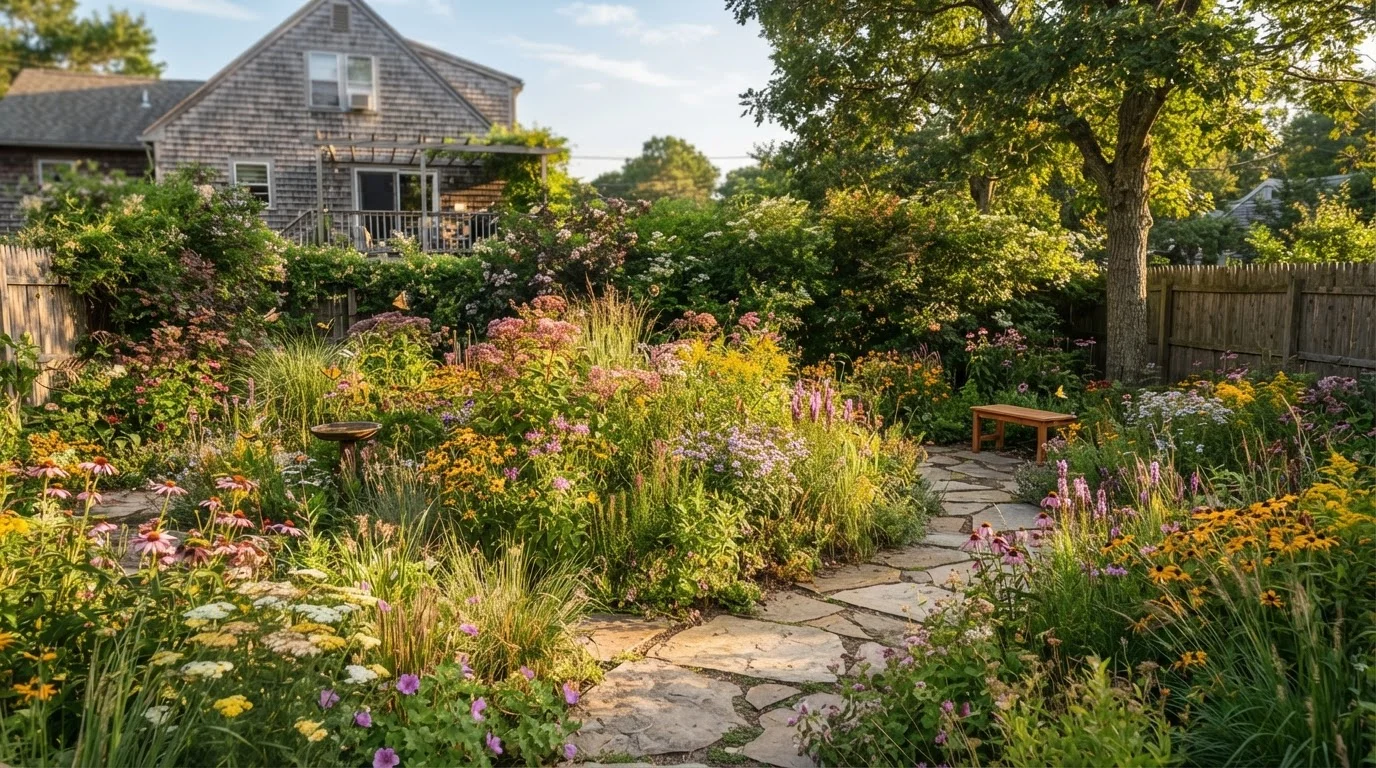
Photo: HorizonMetric.com | One Destination For Everyday Insights editorial
—— In This Article
Key Takeaways
- Native plants are species that evolved naturally in a specific region without human introduction.
- They typically require less water, fertilizer, and maintenance than non-native ornamentals.
- Native plantings support local pollinators, birds, and other wildlife in meaningful ways.
- Choosing the right natives depends on your region, soil type, and sun exposure.
- Even a small patch of native plants can have a positive ecological impact.
What Are Native Plants?
A native plant is a species that evolved naturally in a specific geographic region over thousands of years — without being introduced by humans. These plants developed alongside local soils, rainfall patterns, insects, birds, and other wildlife, forming ecological relationships that non-native ornamentals simply haven't had time to build.
It's important to understand that nativity is regional. A plant native to the tallgrass prairies of Illinois isn't necessarily native to coastal Georgia. Resources like your state's native plant society or the USDA PLANTS database can help you identify which species are truly local to your area.
Native plant
A species that evolved in a specific region without human introduction, forming natural relationships with local soils, climate, insects, and animals.
Ecoregion
A geographically defined area where ecosystems, soils, vegetation, and climate are broadly similar — used to identify plants best suited to a location.
Nativar
A cultivated variety of a native plant selectively bred for traits like unusual flower color or compact size; may have reduced ecological value compared to straight native species.
Establishment period
The first one to two growing seasons after planting, when a plant is developing its root system and needs more consistent care before becoming self-sufficient.
Sheet mulching
A garden bed preparation method that involves layering cardboard on the ground and covering it with thick mulch to smother weeds and improve soil without tilling or herbicides.
Why Native Plants Matter for Your Yard
Beyond the ecological story, native plants offer practical benefits that make them attractive to everyday gardeners. Because they're adapted to local conditions, established natives generally need less supplemental watering, fewer soil amendments, and little to no fertilizer compared with many popular landscaping plants.
They also tend to be more resilient to local weather extremes — summer drought, winter cold, or heavy rain events — because they've been fine-tuned by those very conditions over generations.
From a wildlife perspective, the impact can be significant. Research by entomologist Doug Tallamy and colleagues has highlighted that native oaks, for example, support hundreds of caterpillar species — a critical food source for birds raising young. Lawns and conventional ornamentals offer far fewer of these connections. Even a modest native planting can serve as a waystation for pollinators like native bees, butterflies, and moths.
Start With a Wildlife Goal in Mind
Decide early whether you want to prioritize pollinators, birds, or general biodiversity — this helps narrow your plant choices meaningfully. Native plants that support specialist insects (like milkweed for monarchs) have outsized ecological value. Even three or four well-chosen species can make a real difference in a small space.
How to Choose the Right Native Plants
Choosing natives isn't as simple as picking any plant labeled 'native' at a garden center. Start by identifying your ecoregion — a geographically defined area sharing similar ecosystems and environmental conditions. The EPA maintains a publicly available ecoregion map as a useful reference.
From there, assess your specific site conditions:
- Sun exposure: Full sun, part shade, or deep shade?
- Soil type: Sandy and dry, clay-heavy, or moisture-retaining?
- Drainage: Does water pool after rain, or does the soil dry quickly?
Match plants to these realities rather than trying to change your soil to suit a plant. A native prairie grass suited to dry, sandy soil will struggle in a wet clay bed no matter how well-intentioned the gardener.
Also consider bloom time and plant structure to create a garden that offers food and shelter across multiple seasons. Layering tall grasses, mid-height flowering perennials, and low groundcovers mimics the diversity of natural ecosystems. For guidance on combining plants for season-long interest, see our guide to annuals vs. perennials.
Getting Started: Planning and Planting
You don't need to overhaul your entire yard at once. Start with a defined area — a sunny border, a shaded corner, or a strip along a fence — and focus on getting a small planting established before expanding.
- Remove existing turf or invasive plants from your chosen area. Sheet mulching (laying cardboard under a thick layer of wood-chip mulch) is an effective, low-chemical approach that suppresses weeds and improves soil over time.
- Plant in fall or early spring when temperatures are mild and rain is more reliable. This gives roots time to establish before summer heat arrives.
- Water consistently during the first growing season. Even drought-tolerant natives need reliable moisture until their root systems mature — typically one to two seasons.
- Mulch around plants (but not against stems) to retain moisture, moderate soil temperature, and suppress weeds.
Keep records of what you plant and where — notes on bloom times, growth habits, and wildlife visitors will help you refine and expand your garden each year.
Check Local Regulations Before You Plant
Some municipalities have ordinances governing plant height, the use of certain species, or the appearance of natural garden areas near sidewalks or property lines. It's worth checking with your local planning or zoning office before establishing a native garden, especially in front yards. Many areas are updating these rules to support native landscaping, but requirements vary.
Common Mistakes to Avoid
Even well-intentioned native gardeners can run into avoidable setbacks. Here are a few patterns worth knowing before you begin:
Watch Out for Invasive Lookalikes
Some invasive non-native plants closely resemble native species and are sometimes mislabeled or sold in error. Before purchasing, cross-check plant names with your state's invasive species list or a trusted regional plant database. Planting an invasive by mistake can create significant problems for your garden and surrounding natural areas.
- Buying regionally mismatched plants: A plant sold as 'native' at a big-box retailer may be native to a different part of the country. Always verify nativity for your specific region.
- Skipping establishment care: Assuming natives are automatically self-sufficient from day one leads to plant losses. Consistent first-season watering is essential.
- Choosing only showy bloomers: Flashy flowers are appealing, but a balanced native garden also needs structural plants — grasses, sedges, and shrubs — that provide shelter and winter interest.
- Over-tidying in fall: Hollow stems, seed heads, and leaf litter are overwinter habitat for native bees and beneficial insects. Leave cleanup until late winter or early spring when temperatures warm consistently.
Starting small, learning your site, and sourcing plants from reputable local nurseries or native plant sales will set you up for a more rewarding and successful garden over time.
Frequently Asked Questions

Home Editorial Team
Home Editorial Team is the collective byline for our editorial team and contributor network. Articles published under this byline or an editorial pen name are researched, written, and reviewed according to our editorial standards for clarity, consistency, and independence before publication.
View author profile