
Mexico City: Separating Safety Fears from On-the-Ground Reality
Common assumptions about Mexico City often don't match what travelers actually experience. Here's a fact-based look at the city for visitors.
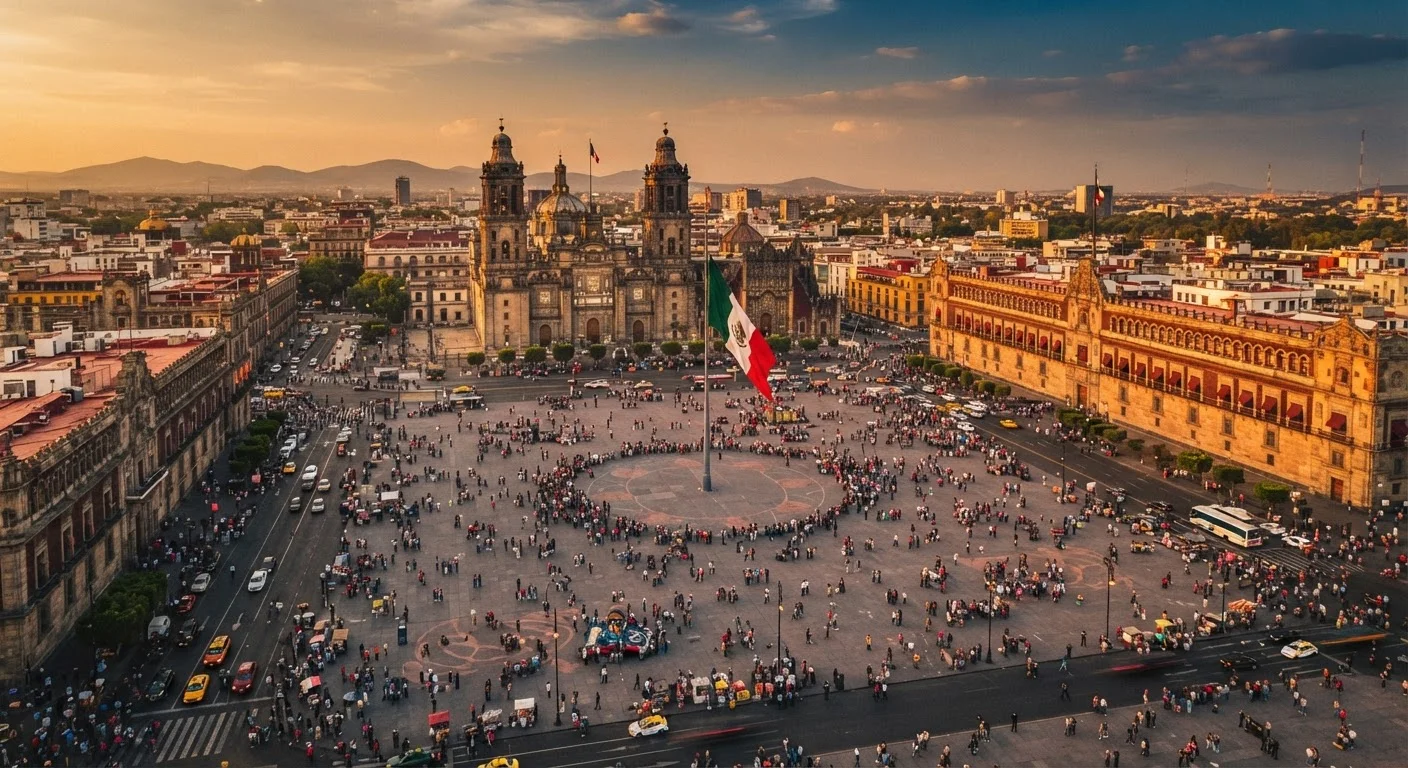
Photo: HorizonMetric.com | One Destination For Everyday Insights editorial
—— In This Article
Key Takeaways
- Mexico City's tourist neighborhoods are generally safe for visitors who exercise standard urban awareness.
- Many safety fears stem from outdated headlines or conflation with other parts of Mexico.
- The city has world-class food, culture, and infrastructure that rival any major global capital.
- Petty theft and scams are more common risks than violent crime in visitor areas.
- Altitude and tap water are practical health considerations every traveler should prepare for.
Why Mexico City's Reputation Deserves a Second Look
Few destinations in the Western Hemisphere carry as much misplaced baggage as Mexico City. For many Americans, the image is shaped by news cycles focused on border violence or decades-old travel warnings — neither of which reflects the day-to-day reality of a cosmopolitan city that hosts millions of international visitors each year.
CDMX is a place where a morning walk through Condesa feels like a leafy European neighborhood, where world-class street food competes with Michelin-recognized restaurants, and where the sheer density of art, history, and architecture can genuinely overwhelm a first-time visitor in the best possible way. That's not to say risks don't exist — they do, and smart travelers prepare accordingly — but fear built on myth is what keeps otherwise curious travelers at home.
As with any major destination, separating assumption from reality makes for better decisions. Our guide to common travel planning myths explores how false beliefs cost travelers both time and money across many destinations — and Mexico City is no exception.
Myth
Mexico City is too dangerous for tourists — violent crime is everywhere.
Fact
Tourist-frequented neighborhoods like Roma, Condesa, Polanco, and Coyoacán are generally considered low-risk and bustling with visitors year-round.
Mexico City is a metropolis of more than 20 million people, and like any major city, crime exists — but it is not evenly distributed. The colonias (neighborhoods) most visited by tourists maintain active street life, police presence, and strong hospitality infrastructure. Most travelers complete their trips without encountering any serious incident. The U.S. State Department does issue travel advisories for Mexico, but those advisories vary significantly by region; Mexico City (CDMX) is not in the same risk category as certain northern border states. Always check the latest official travel advisories at travel.state.gov before your trip, and stay informed about which specific areas to avoid.
Myth
You'll get sick no matter what you eat or drink there.
Fact
Foodborne illness is a real risk if you're not careful, but millions of visitors eat their way through CDMX without incident by following a few simple practices.
The most important rule: avoid tap water for drinking, including ice in drinks from unknown sources. Stick to bottled or purified water (agua purificada), which is widely available and inexpensive. Street food at busy, high-turnover stalls is generally safer than it sounds — brisk business means fresh ingredients. That said, your digestive system may still react to new bacteria strains regardless of food safety. Pack oral rehydration salts and consult your doctor before travel about any preventive options that may be appropriate for you.
Myth
Mexico City is flat — altitude won't be an issue.
Fact
Mexico City sits at roughly 7,350 feet (2,240 meters) above sea level, making altitude sickness a genuine concern for many first-time visitors.
Newcomers often underestimate this. At that elevation, some travelers experience headaches, fatigue, shortness of breath, or nausea in the first day or two — a condition known as altitude sickness or soroche. Staying well-hydrated, avoiding heavy alcohol on arrival, and taking it easy your first day can help significantly. If you have a pre-existing heart or respiratory condition, consult a healthcare professional before traveling to high-altitude destinations. Symptoms typically ease after 24–48 hours as your body acclimates.
Myth
Getting around safely requires renting a car.
Fact
Mexico City has an extensive, affordable metro system and app-based ride services — driving as a tourist is actually more stressful and risky than using public transit.
The CDMX Metro covers much of the city cheaply and efficiently. App-based ride-hailing services operate widely and are generally considered safer than hailing unmarked taxis from the street — a practice that has historically carried risk. Walking is pleasant and safe in central tourist neighborhoods during daylight hours. For longer distances or late nights, pre-booked or app-based rides offer a comfortable and sensible option. Driving yourself means navigating complex traffic, one-way streets, and unfamiliar signage — not worth it for most visitors.
Myth
Mexico City is a budget destination — everything is dirt cheap.
Fact
Costs vary enormously. Budget options exist, but upscale neighborhoods, international restaurants, and tourist-facing services can price similarly to major U.S. cities.
Street tacos and metro rides are genuinely affordable. But a dinner in Polanco, a boutique hotel in Roma Norte, or a museum shop purchase can add up fast. The peso's exchange rate fluctuates and the tourist economy in popular zones reflects demand. Thoughtful budgeting matters — just as it would in any world-class city. For a practical breakdown of where travel costs actually land, see our travel budget guide before you finalize your spending plan.
Myth
There's nothing to do beyond tacos and pyramids.
Fact
Mexico City is one of the world's great cultural capitals, home to world-class museums, contemporary art, acclaimed cuisine, and architecture spanning centuries.
The city holds more museums per capita than almost any other city in the world. Neighborhoods like Coyoacán offer bohemian markets and historic homes; Roma and Condesa are filled with Art Deco architecture, independent bookshops, and acclaimed restaurants. The food scene extends far beyond tacos — though those are spectacular — encompassing regional Mexican cuisines, internationally recognized fine dining, and everything in between. If you've let a narrow perception of CDMX hold you back, it's time to reconsider.
Practical Safety: What to Actually Watch For
The most common risk visitors encounter in Mexico City's tourist zones is petty theft — pickpocketing in crowded markets or Metro cars, opportunistic bag snatching, and scams targeting people who appear disoriented. These are not trivial, but they're also not unique to CDMX; the same risks apply in Rome, Paris, or any busy urban environment.
Avoid Hailing Unmarked Taxis from the Street
Street taxis that are not booked through an app or official taxi stand have historically been associated with express kidnappings and overcharging in Mexico City. Use reputable app-based ride services or ask your hotel to arrange a trusted driver. This is one of the most commonly cited safety recommendations from seasoned CDMX visitors and travel experts alike.
A few habits go a long way: carry only the cash you need for the day, use a crossbody bag worn in front in crowded spaces, avoid displaying expensive electronics unnecessarily, and be alert when using ATMs. Traveling in a group or staying in well-lit, active areas after dark reduces exposure considerably.
Before you go, build a communication plan and review your essential pre-trip logistics. Our pre-trip planning checklist covers the less obvious steps — like medication considerations and emergency contacts — that seasoned travelers never skip. And if you're curious how CDMX compares to navigating another famously misunderstood major city, see what first-timers actually encounter in our NYC visitor reality guide.
This article provides general travel information only. Conditions on the ground can change; always verify entry requirements, health recommendations, and safety advisories through official government sources — such as travel.state.gov — and consult qualified professionals for medical or legal questions specific to your situation.

Travel Editorial Team
Travel Editorial Team is the collective byline for our editorial team and contributor network. Articles published under this byline or an editorial pen name are researched, written, and reviewed according to our editorial standards for clarity, consistency, and independence before publication.
View author profile