
Planning a Weeknight Dinner Rotation Without Getting Stuck in a Rut
A practical framework for cycling through meals you enjoy, balancing variety with simplicity so cooking stays sustainable week after week.
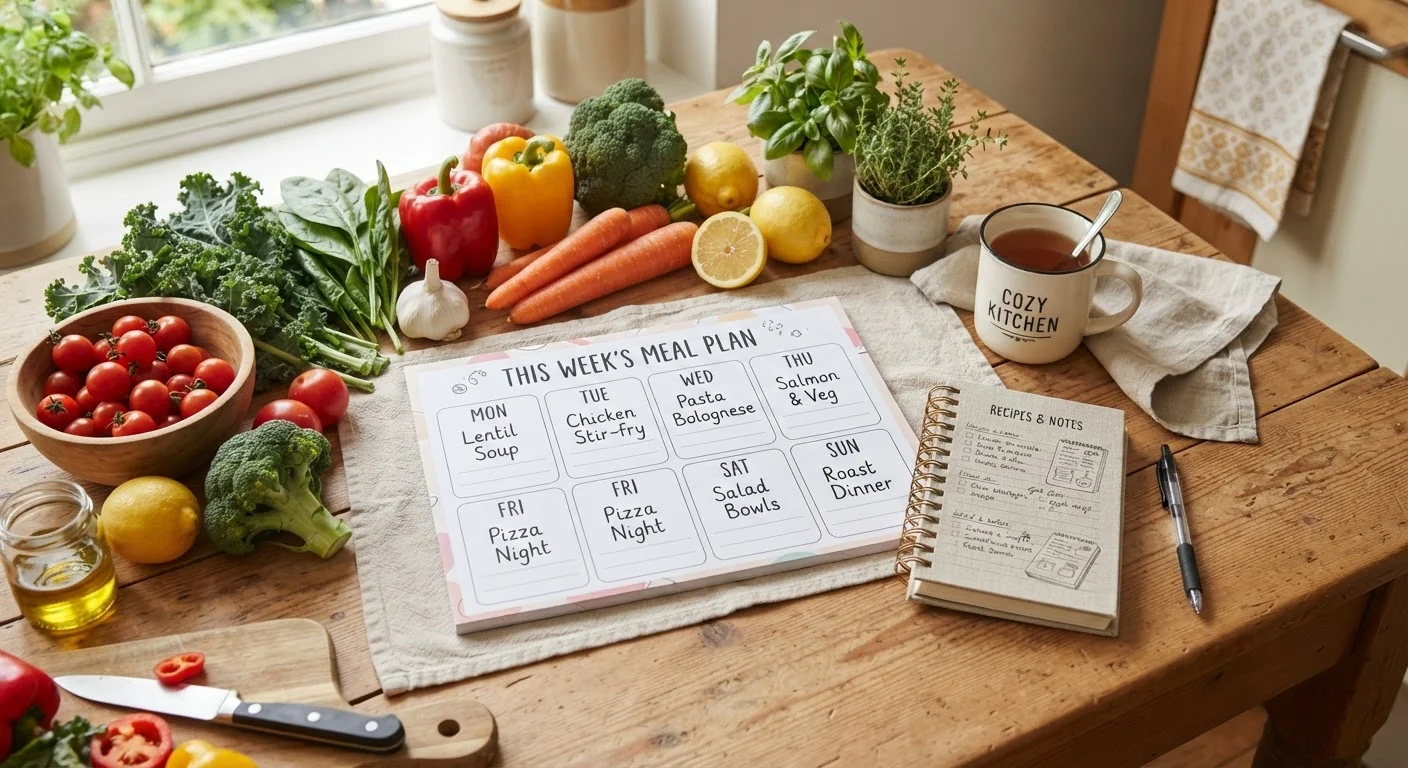
Photo: HorizonMetric.com | One Destination For Everyday Insights editorial
—— In This Article
Key Takeaways
- A structured rotation reduces decision fatigue without sacrificing variety or enjoyment.
- Anchoring meals to themes or protein types makes weekly planning faster and more reliable.
- Building in flexibility slots prevents the rotation from feeling rigid or boring.
- Seasonal ingredients and cultural influences naturally refresh your lineup over time.
- Batch-prepping key components can make three or four dinners faster to execute in parallel.
Why Dinner Rotations Break Down
Most household cooks gravitate toward the same eight to ten meals until they can't stand them anymore — then scramble for inspiration and abandon planning altogether. The problem usually isn't a lack of recipes. It's a lack of structure that makes choosing which recipe easy on a Tuesday evening when everyone is tired.
A dinner rotation solves this by giving each night a loose identity — a protein type, a cuisine, a cooking method — so the decision is already half-made before the week starts. The goal isn't rigid repetition; it's a flexible framework you can adapt week to week without starting from scratch. For a broader look at why planning often stalls after the first week, see our guide to meal planning that holds up.
Avoid Overpacking Your Rotation
A common mistake is planning six elaborate dinners for a week when your schedule only realistically supports two or three. Be honest about how much time and energy you have on a typical weeknight. Overambitious plans are the leading reason dinner rotations get abandoned in the first week.
What You'll Need Before You Start
Setting up your rotation takes one focused session. Gather the tools below and keep them in one place — a shared note on your phone works just as well as a printed calendar.
Weekly calendar or planner
Provides a visual layout for assigning meals to specific nights so the whole household can see the plan.
Grocery list app or notepad
Turns your weekly rotation directly into a shopping list, reducing store trips and forgotten items.
Recipe archive (notebook, folder, or saved app collection)
Stores your approved rotation meals so you can browse confirmed winners rather than searching from scratch each week.
Pantry inventory list
Tracks staple ingredients on hand so you only buy what you need and avoid duplicates.
Shared household note (e.g., a pinned phone note)
Lets all household members see the week's plan, flag preferences, and add grocery items in real time.
The Weeknight Dinner Rotation Checklist
Work through these steps in order the first time you set up your rotation. After the initial build, your weekly maintenance should take only a few minutes.
Audit Your Current Habits
Build Your Anchor Structure
Streamline Shopping and Prep
Maintain and Refresh
Once your rotation is built, pairing it with some weekend prep makes weeknights dramatically easier. Our Sunday meal prep guide walks through realistic ways to batch-cook without spending your whole weekend in the kitchen.
Start Smaller Than You Think You Should
If you're new to planned rotations, start with just three or four nights rather than trying to cover every evening. A partial plan that you actually follow is far more valuable than a complete plan you abandon by Wednesday. Once the habit is established, it's easy to extend the rotation to cover the full week.
Keeping Your Rotation Fresh Over Time
A rotation should evolve, not calcify. The most effective way to refresh it naturally is to follow the seasons — swapping hearty braises in winter for lighter grain bowls and grilled proteins in summer. American food culture is genuinely diverse, drawing on regional traditions from New Orleans red beans on Mondays to Pacific Northwest salmon, Tex-Mex Tuesdays, or a Midwestern hot dish on a cold Wednesday. Leaning into that breadth is one of the easiest ways to add variety without extra effort.
You can also introduce one new recipe per month to replace a meal you've grown tired of, keeping the workload predictable while the menu stays interesting. If you're looking to shift toward more produce without feeling like you're overhauling everything, eating more plants without overhauling your diet offers practical entry points that fit naturally into an existing rotation.
The best rotation is one your household will actually use — simple enough to follow on a hard day, and varied enough that no one dreads dinner.

Food Editorial Team
Food Editorial Team is the collective byline for our editorial team and contributor network. Articles published under this byline or an editorial pen name are researched, written, and reviewed according to our editorial standards for clarity, consistency, and independence before publication.
View author profile