
Sorting, Donating, and Letting Go: A Realistic Approach to Decluttering Sentimental Items
Sentimental clutter is the hardest to deal with. This guide offers thoughtful, pressure-free ways to decide what to keep and what to release.
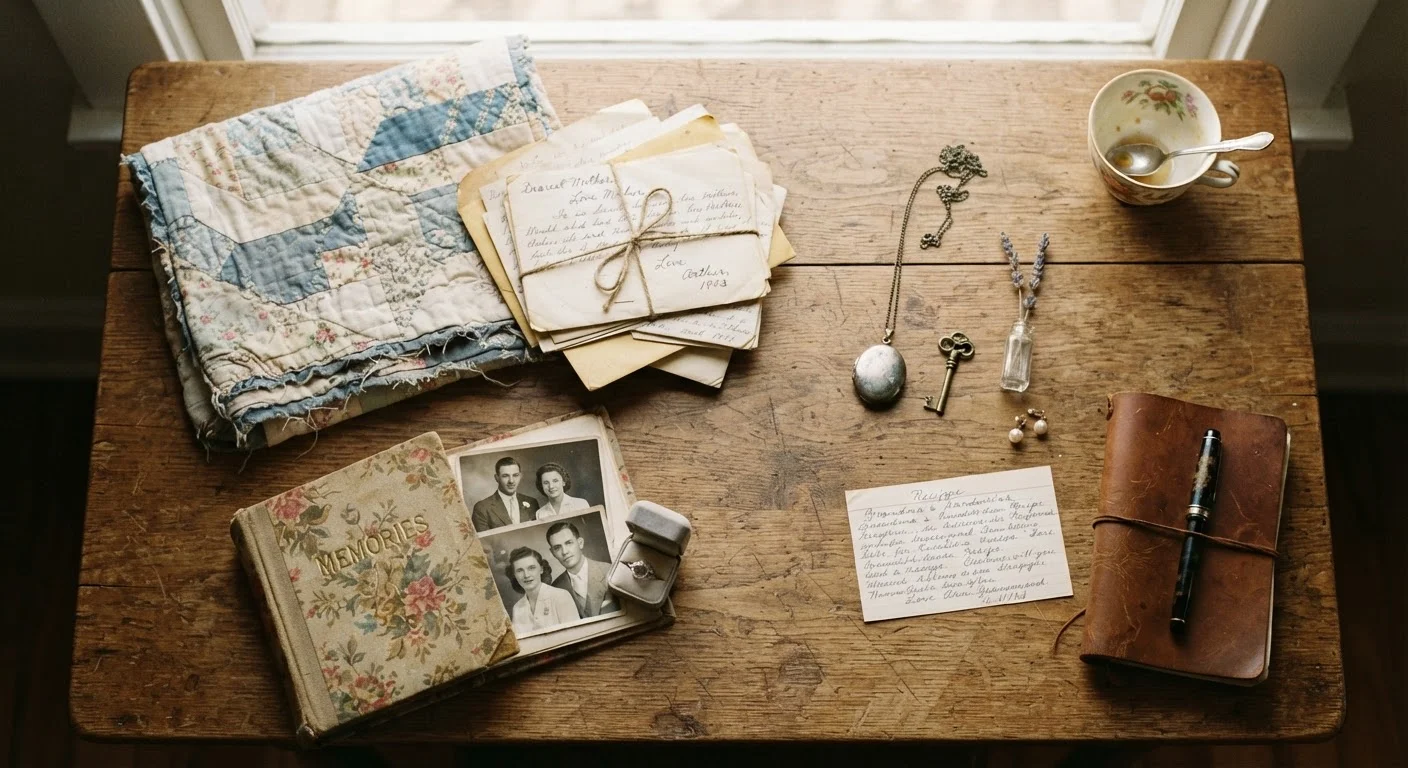
Photo: HorizonMetric.com | One Destination For Everyday Insights editorial
—— In This Article
Key Takeaways
- Sentimental clutter is emotionally harder than physical clutter — give yourself more time and grace.
- Sorting items into clear categories helps separate strong attachment from habit or guilt.
- You can honor a memory without keeping the physical object that represents it.
- Donating to someone who will actively use or love an item is a meaningful act, not a loss.
- Digitizing photos, letters, and documents can preserve memories without occupying physical space.
Why Sentimental Clutter Is Different
Sorting physical clutter — expired pantry items, broken tools, outgrown clothes — is relatively straightforward. Sentimental clutter operates on a different logic. Each object carries a story, a person, or a moment. That emotional weight makes ordinary decision-making feel inadequate, even disrespectful.
This is not a character flaw. Research in psychology consistently finds that humans form emotional attachments to objects because those objects serve as external representations of identity, relationships, and memory. Understanding this helps explain why decluttering sentimental items feels harder than it "should."
The goal of this guide is not to push you toward minimalism or to convince you that keeping things is wrong. The goal is to help you make intentional choices — so what you keep is genuinely meaningful, and what you release moves on without lingering guilt. For a broader look at what intentional organizing really involves, see our honest look at minimalist home organization trade-offs.
Avoid Sorting During Grief or High Stress
Decluttering sentimental items connected to a recent loss — a death, a divorce, a major life change — is significantly harder and often leads to decisions that feel wrong later. When possible, wait at least several months before sorting items tied to an acute emotional event. There is no urgency that outweighs your wellbeing.
Tools and Setup
Before you begin sorting, gather what you need and prepare your space. Having the right materials on hand reduces friction during the process itself.
Labeled sorting boxes or bags
Physically separate items into Keep, Donate, Pass On, and Let Go categories as you work.
Smartphone or flatbed scanner
Digitize photographs, handwritten letters, and documents so memories are preserved without physical storage.
Small notebook or journal
Write brief notes or stories about items you release — a way to honor the memory before letting the object go.
Archival storage box
Store the items you decide to keep in a protected, clearly labeled container to prevent future pile-up.
What you will need
How to Sort, Release, and Move Forward
Work through these steps at whatever pace feels sustainable. If one session covers only a single box of items, that is genuine progress. Forcing speed through sentimental sorting tends to produce regret rather than relief.
Set the right conditions before you begin
Choose a time when you are not rushed, emotionally drained, or grieving acutely. Sentimental sorting requires mental bandwidth that stress depletes. Clear a table or floor space where you can spread items out and see everything at once. If possible, let natural light into the room — it makes the process feel less heavy.
Gather all sentimental items into one place
Pull everything sentimental from every corner of your home — boxes in closets, items on shelves, things tucked in drawers — and bring them to your sorting space. Seeing the full volume at once prevents the common pattern of making decisions in isolation, where every item feels equally important because nothing is being compared to anything else.
Sort into four honest categories
Use your labeled boxes to sort each item into one of four groups:
- Keep: Items with active emotional meaning that you look at, use, or display.
- Pass On: Items a specific family member or friend would genuinely value.
- Donate: Items with sentimental history but no specific recipient — a new owner can give them a useful life.
- Let Go: Items kept out of guilt or obligation rather than genuine feeling.
Be honest about which category each item truly belongs to. An item that's been in a box for ten years without being opened has, in practice, already been released.
Preserve memories digitally before releasing items
For items you want to release but feel attached to, consider photographing or scanning them before they leave your home. Photograph handwritten letters, children's artwork, and old prints. Store digital files in a clearly labeled cloud folder or external drive. The memory is preserved; the physical object can move on without guilt.
Act on your decisions within a set timeframe
Once sorted, follow through quickly. Drop donations at a local charity or thrift organization within one week. Contact family members about "Pass On" items and set a pickup deadline. Items that linger in your home after sorting have a way of migrating back into storage. For the "Let Go" box, consider writing a brief note about each item's story before disposal — a small ritual that many people find emotionally closing.
Store what you keep with intention
Items in your Keep category deserve a designated, accessible home — not another forgotten box. Use an archival storage container clearly labeled with its contents. Display what genuinely brings you joy. A curated, visible collection of meaningful objects is far more honoring than a crammed storage bin that never gets opened. Revisit your kept items once a year to see if your feelings have shifted.
You Don't Have to Keep the Object to Keep the Memory
Many people hold onto physical items because they fear the memory will disappear with the object. In practice, the memory lives in you — not in the thing. Writing a sentence or two about what an object meant, or photographing it before donating, can satisfy that need for preservation without requiring permanent physical storage.
Guilt Is Not a Reason to Keep Something
Many people hold onto gifts, inherited objects, or items from people they love not because the objects bring them joy, but because releasing them feels disloyal. Keeping something purely out of guilt does not honor the giver — it just means the object occupies space and generates low-level emotional weight every time you see it. The relationship matters; the object is separate from it.
If your home contains multiple types of clutter beyond sentimental items — paper records, seasonal gear, room-by-room buildup — you may find it useful to approach them separately. Our guide to room-by-room vs. all-at-once decluttering can help you decide which overall strategy suits your situation best.

Home Editorial Team
Home Editorial Team is the collective byline for our editorial team and contributor network. Articles published under this byline or an editorial pen name are researched, written, and reviewed according to our editorial standards for clarity, consistency, and independence before publication.
View author profile