
Why Your Kitchen Drawers Keep Getting Messy Again
Organized the kitchen only to find it chaotic a month later? Here's what's really causing the relapse — and how to stop the cycle.
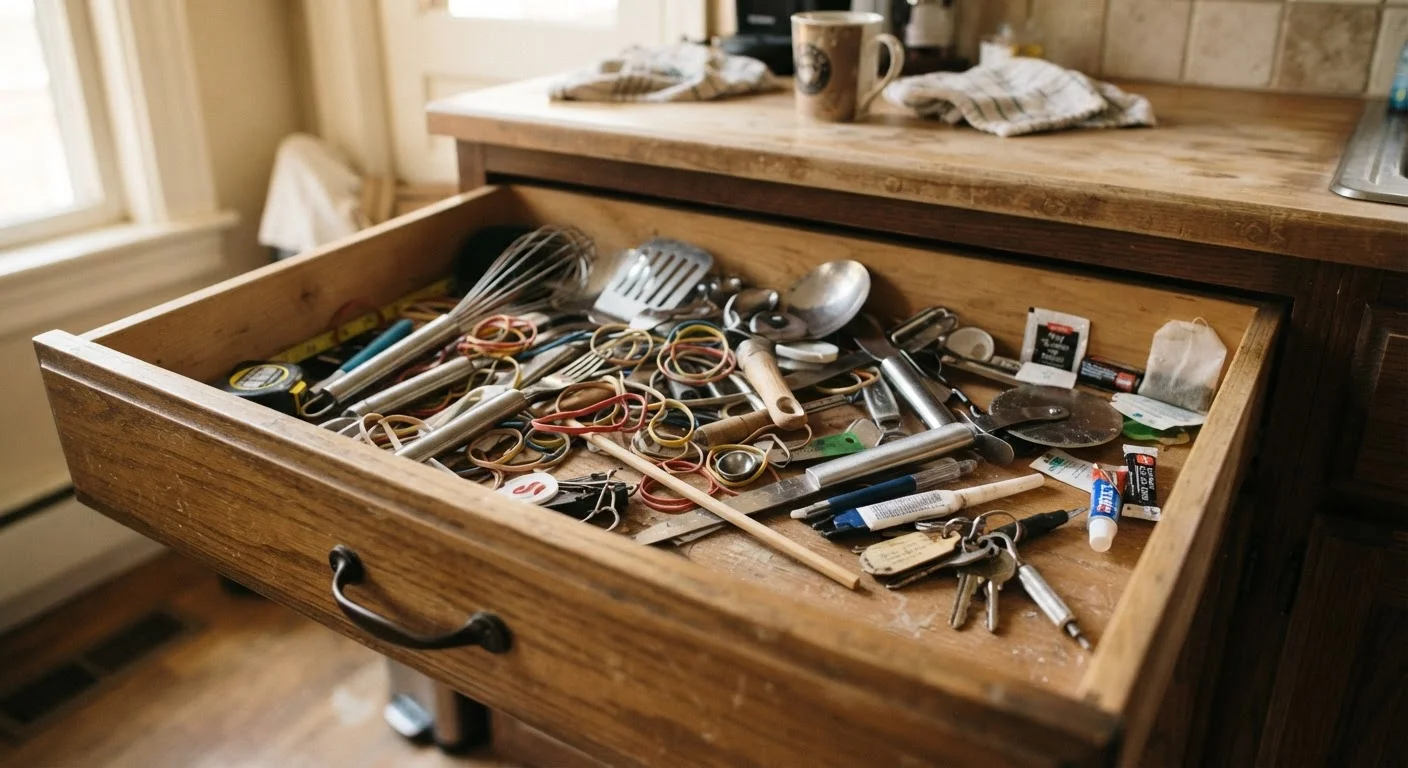
Photo: HorizonMetric.com | One Destination For Everyday Insights editorial
—— In This Article
Key Takeaways
- Drawer organization fails most often because the system doesn't match how you actually use your kitchen.
- Skipping a full declutter before organizing means you're just neatly storing things you don't need.
- Sustainable organization requires habits, not just a one-time tidy session.
- Drawer dividers only work if they're sized correctly for your drawer and contents.
The Real Reason Organized Drawers Don't Stay That Way
You spent a Saturday afternoon sorting, tossing, and arranging — and the drawer looked great. Two weeks later, it's a jumble again. If this sounds familiar, the problem usually isn't a lack of effort or motivation. It's that most kitchen drawer organization approaches skip a few critical steps that determine whether order lasts beyond the initial setup.
The mistakes below are the most common culprits. Recognizing them is the first step toward building a system that actually holds up in real daily life. For a broader look at habits that keep tidy spaces tidy, see clutter-prevention habits that stick.
Organizing without decluttering first.
Why it happens: It feels faster to sort and contain existing items than to make decisions about what to keep. Decluttering requires mental energy that organizing alone doesn't demand.
Using dividers or inserts that don't fit the drawer or the items.
Why it happens: Generic drawer organizers are appealing because they're inexpensive and widely available. But a divider that leaves large gaps or doesn't account for your actual utensils invites things to shift and pile up.
Organizing around aspirational items rather than everyday ones.
Why it happens: People often keep specialty gadgets front and center because they represent good intentions — the mandoline you plan to use more often, the pastry brush for future baking projects. Meanwhile, the things used daily get pushed aside.
Skipping a return-to-place habit after use.
Why it happens: Putting something back in its designated spot takes a moment more effort than setting it down anywhere. Over days, this compounds into chaos.
Treating organization as a one-time project rather than an ongoing practice.
Why it happens: The satisfaction of a freshly organized drawer creates the impression that the job is done. Without a maintenance mindset, drawers naturally accumulate items that don't belong.
Building a System That Lasts
Lasting drawer organization isn't about perfection — it's about reducing friction so that putting things back is as easy as grabbing them. Once you've corrected the structural mistakes above, a few final principles help lock in the results.
Avoid Over-Organizing All at Once
Attempting to reorganize every drawer in a single session often leads to decision fatigue and abandoned projects halfway through. Tackle one drawer at a time, completing it fully before moving on. A finished, functional single drawer is more valuable than five partially sorted ones.
First, give every category a home with a clear boundary. When something doesn't have an obvious place to return to, it ends up wherever there's space — which is how junk drawers are born. Second, schedule a brief quarterly review: five minutes to remove anything that's migrated in and doesn't belong. This is far less overwhelming than a yearly overhaul. If you share your kitchen with children, organization approaches built around family life can help you adapt these systems for higher-traffic, higher-chaos environments. And if you're ready to tackle the whole kitchen, a pantry audit pairs well with drawer work — clearing out expired items and pantry overflow often reduces drawer clutter directly.
The goal isn't a magazine-worthy drawer. It's a drawer that works for your kitchen, your routines, and your household — and that you can maintain without heroic effort.

Home Editorial Team
Home Editorial Team is the collective byline for our editorial team and contributor network. Articles published under this byline or an editorial pen name are researched, written, and reviewed according to our editorial standards for clarity, consistency, and independence before publication.
View author profile